
For decades, wild caught black caviar held an almost unquestioned reputation as the gold standard of fine food. The idea that any farmed product could match its depth of flavor and character seemed far off. Yet aquaculture has changed that story in ways few expected, and the gap between farm and river has narrowed to a degree that now challenges long-held assumptions.
Controlled farming conditions have matured from basic fish pens into precisely managed ecosystems. Today, a growing number of producers manage water temperature, feed composition, and harvest timing with a level of care that wild fisheries simply cannot replicate. The result is a new generation of sturgeon black caviar that stands on equal footing with its wild counterpart in flavor, texture, and nutritional value.
The question is no longer whether farmed black caviar can be good. The real question is how farming reached this point, what makes the best farm products stand out, and why experts and chefs now treat responsibly farmed caviar as a serious rival.
How modern aquaculture has transformed black caviar production
The shift in how sturgeon farming works has been steady and measurable. Early farms struggled with inconsistent roe quality and slow growth cycles. Today, the industry operates on scientific principles that give producers far greater control over every stage of black caviar development than any wild fishery ever could.
The science behind controlled sturgeon environments
Recirculating aquaculture systems, known as RAS, sit at the heart of modern sturgeon farming. These closed-loop systems filter and recirculate water continuously, maintaining stable temperature, oxygen levels, and salinity at all times. Sturgeon raised in RAS environments grow in conditions that mirror their natural habitat while removing the unpredictability of rivers and open water.
Water quality in RAS facilities is monitored around the clock. Temperature is kept within narrow ranges suited to specific sturgeon species, which directly influences how roe matures and develops its flavor compounds. Farms producing premium black caviar at the highest level use ultrasound technology to track egg development inside live females, harvesting only when the roe reaches peak ripeness.
This precision is simply not possible in wild fisheries, where sturgeon migrate across thousands of kilometers and face pollution, temperature shifts, and inconsistent food sources. Controlled environments remove these variables, producing roe with uniform grain size, clean flavor, and intact membranes.
How feeding programs shape the flavor of farmed black caviar
Feed composition directly shapes the taste of fresh caviar. Wild sturgeon eat a varied diet of mollusks, crustaceans, and aquatic insects depending on their environment, which contributes to the complex flavor profiles associated with wild roe. Responsible farms replicate this by designing nutritional programs built around similar ingredients.
Fatty acid content in the roe is one of the clearest markers of feed quality. Farms that use diets rich in omega-3 fatty acids produce eggs with a buttery, rounded flavor. The protein-to-fat ratio in feed also affects grain firmness, which is one of the key qualities consumers and chefs notice first when tasting quality black caviar.
Some producers go further by adjusting feed at different growth stages, matching the nutritional needs of sturgeon as they age. The result is roe that develops a flavor profile closer to wild varieties, with the added benefit of consistency from one harvest to the next.
Milestones in aquaculture that closed the quality gap
The global sturgeon caviar market is projected to reach $416.49 million by 2033, driven largely by farmed production. This growth reflects a series of technical advances that have steadily raised the quality ceiling for farmed roe.
Key advances in sturgeon aquaculture:
- Introduction of RAS technology in the 1990s, which removed dependence on natural water sources
- Development of non-lethal harvesting methods, allowing females to produce multiple roe cycles
- Adoption of ultrasound-guided maturity testing, which pinpoints the optimal harvest window
- Patented “milking” techniques pioneered by research institutes such as the Alfred Wegener Institute, allowing clean egg extraction without killing the fish
In 2022, improvements in RAS systems led to better farm yields across multiple producers. By 2023, broader adoption of the malossol processing method had become standard practice among quality-focused farms. These steps, taken together, moved farmed sturgeon black caviar from a volume-focused product into a craft food category.
The Alfred Wegener Institute’s research confirmed that eggs harvested through gentle massage from live females contain all natural oils intact. This preserves the full flavor spectrum of the roe without any need for pasteurization or chemical treatment.
What makes premium black caviar from farms stand out
Farm-produced caviar earns its reputation through a combination of strict quality controls, traditional processing methods, and transparent production practices. Each of these elements plays a role in determining whether a farmed product meets the standard of premium black caviar.
Consistency as a hallmark of quality black caviar
Wild caviar varies from harvest to harvest. River conditions, fish age, and seasonal changes all affect roe quality in ways producers cannot predict or control. Farmed quality black caviar, by contrast, is produced under conditions that stay constant year-round.
This consistency matters for both producers and consumers. A farm can set precise quality benchmarks and meet them reliably across every tin it produces. Grain size, color, moisture content, and salt ratio remain within tight tolerances from one batch to the next.
For chefs and food buyers who plan menus months in advance, this predictability has real value. A consistent product allows for precise culinary planning in ways that wild-caught lots, with their natural variation, cannot always support.
The malossol process and why it matters for farmed roe
Malossol black caviar refers to roe processed with a salt content below 3.8%, a method rooted in Russian tradition that preserves the roe’s natural flavor without masking it. The word malossol itself means “little salt” in Russian, and the method works only when the base ingredient is clean and of high quality.
Only firm, intact, uniformly sized eggs can pass through the malossol process successfully. Any softness, damage, or contamination in the roe becomes immediately apparent when salt concentration is this low. This makes malossol processing a natural quality filter.
Farms that master malossol production are, by definition, working with excellent roe. The light salting lets the natural oils, buttery notes, and briny undertones of sturgeon black caviar speak without interference. The global caviar market has recognized this, with malossol processing now dominating the premium segment as consumer demand for delicate, natural flavors grows.
How top farms produce black caviar without preservatives
The cleanest farmed roe requires no chemical preservatives. When eggs are harvested from live sturgeon through gentle, controlled extraction, the roe arrives in a sterile state. At this point, pure sea salt at a concentration of 3 to 5% is the only ingredient needed to cure and preserve the product.
Research confirms that eggs produced through non-lethal extraction contain unaltered natural oils. These oils carry the flavor compounds that make black caviar without preservatives taste clean and complete. No borax, no pasteurization, and no additives are needed when the raw material is this pure.
Steps in clean caviar processing at top farms:
- Female sturgeon is monitored via ultrasound until eggs reach full maturity
- Eggs are gently extracted through massage or a minimally invasive procedure
- Roe is rinsed and sorted by hand or automated systems in a sterile environment
- Pure sea salt is added at 3 to 5% in a chilled, stainless steel setting
- Finished caviar is packed in sealed tins and stored under strict cold chain conditions
PremiumCaviar produces black caviar without preservatives sourced from responsibly farmed sturgeon. The product line includes premium Siberian sturgeon black caviar and premium osetra black caviar, both processed using the malossol method with no additives beyond pure salt.
Certifications that signal genuinely premium black caviar
Certifications serve as external proof that a farm meets defined quality and environmental standards. The most relevant for premium black caviar producers fall into two categories: food safety and sustainability.
CITES (the Convention on International Trade in Endangered Species) registration is mandatory for all legal caviar trade and confirms that the sturgeon species used are farmed, not taken from endangered wild populations. Organic and aquaculture-specific certifications, such as ASC (Aquaculture Stewardship Council), confirm responsible feed, water management, and animal welfare practices.
Farms that carry multiple certifications face ongoing audits and must maintain records across the entire production chain. This traceability gives buyers confidence that what appears on the label accurately reflects what is in the tin.
Comparing farmed and wild caught sturgeon black caviar
Both origins produce roe that connoisseurs prize, but the differences between them are measurable and worth examining carefully. A direct comparison across flavor, species, and nutrition shows where each type leads and where farmed caviar now matches or surpasses wild-caught roe.
Taste, texture and grain size across both origins
Wild caviar is associated with a pronounced briny, oceanic flavor that reflects the natural diet and environment of the fish. Eggs from wild sturgeon tend to be firm, with a slight crunch on the palate. The flavor profile shifts from season to season and even between individual fish.
Farmed black caviar from well-managed operations produces a clean, buttery flavor with consistent grain size. While some tasters note that farmed roe can be slightly less complex in its briny depth, many find the creamier, rounder taste more approachable and pleasant. Modern farms report that controlled feed programs now narrow this flavor gap to a point where blind tasting panels struggle to distinguish the two.
Grain size in farmed roe is more uniform because producers can select breeding lines for specific egg dimensions. Wild roe varies by individual fish and season. For visual presentation on a plate, farm consistency is an advantage that professional chefs recognize.
Osetra black caviar from farms versus wild stocks
Osetra black caviar comes from the Acipenser gueldenstaedtii sturgeon, native to the Caspian Sea. Wild stocks of this species have fallen sharply due to overfishing and habitat loss, making wild-caught osetra increasingly rare. Farmed osetra now accounts for the vast majority of osetra caviar reaching consumers worldwide.
The flavor profile of osetra is nutty, briny, and layered, with earthy or fruity undertones depending on the water and feed conditions. Farmed osetra raised in controlled RAS environments with species-appropriate nutrition replicates these characteristics reliably. Advancements in farming confirm that farmed osetra black caviar maintains the same flavor and texture as traditionally sourced varieties.
Grain size for osetra is medium, with a firm texture and a satisfying pop on the palate. These physical qualities are preserved in farmed roe when harvest timing is guided by ultrasound maturity testing, ensuring eggs are collected at their optimal stage.
Nutritional value in fresh caviar from each source
| Nutrient | Farmed black caviar | Wild black caviar |
|---|---|---|
| Omega-3 fatty acids | High, feed-controlled | High, diet-dependent |
| Protein | 25–28g per 100g | 24–28g per 100g |
| Vitamin B12 | Present in high amounts | Present in high amounts |
| Vitamin D | Present | Present |
| Salt content (malossol) | Below 3.8% | Varies, 3–10% |
Fresh caviar from both origins is nutritionally dense, rich in omega-3 fatty acids, protein, vitamin B12, and vitamin D. The key difference lies in consistency. Wild caviar’s nutritional content shifts with seasonal diet changes, while farmed roe produced under controlled feed programs delivers stable levels from one harvest to the next.
Farms that use omega-3-enriched feed produce roe with measurably high fatty acid content. This is a direct nutritional advantage that comes from feed management, not chance.
Pro tip: When selecting fresh caviar, look for a salt content below 3.8% and no listed preservatives on the tin. These two details alone confirm that the roe was processed by the malossol method from high-quality, clean eggs.
Where to find farm-raised black caviar that rivals wild-caught quality
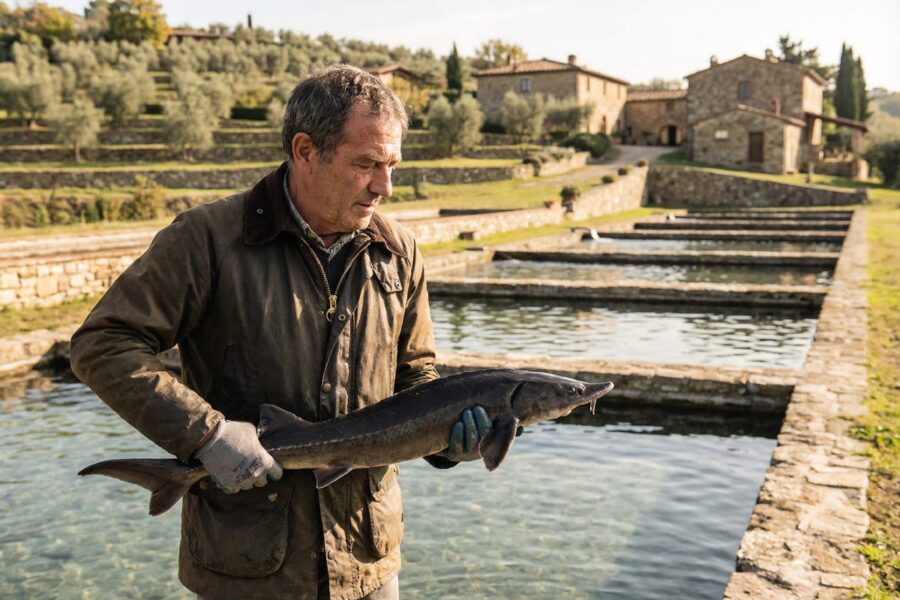
The debate around farmed versus wild-caught black caviar becomes far more straightforward when the source is a trusted, traceable producer. PremiumCaviar is a caviar boutique whose range comes from a sustainable organic sturgeon farm in northern Italy. Every product in the collection is fresh, preservative-free, and processed by hand using the traditional malossol method.
The farm behind the range, Pisani Dossi, received official certification from environmental authorities for sturgeon egg production in 2008 and operates across 5 hectares with natural water sources. This foundation gives PremiumCaviar full traceability from farm to tin, which is exactly the transparency that buyers of quality black caviar rely on.
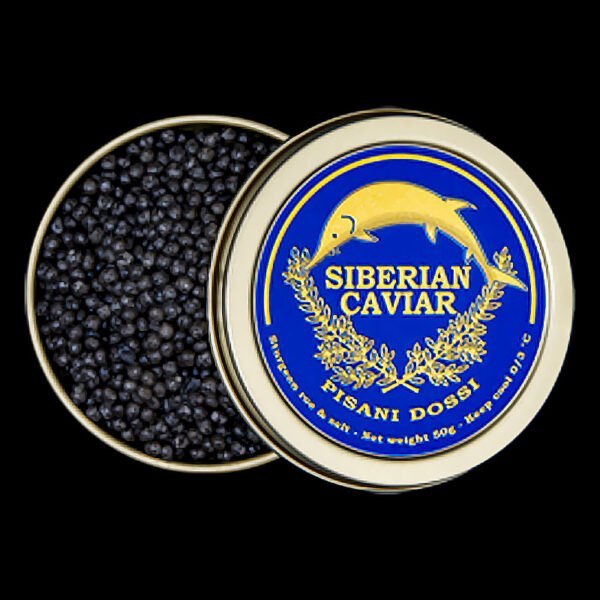
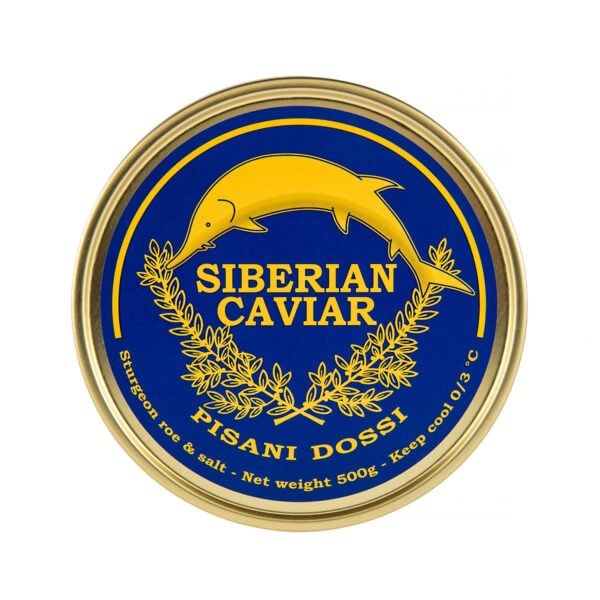
Premium Siberian Sturgeon black caviar
The Siberian sturgeon caviar range at PremiumCaviar comes from Acipenser baerii, a species known for fine-grained roe with a pure, elegant flavor and clear, lasting finish. Grain size across the range runs from 2.6 to 3.2 mm, with colors ranging from black-grey to black-brown tones.
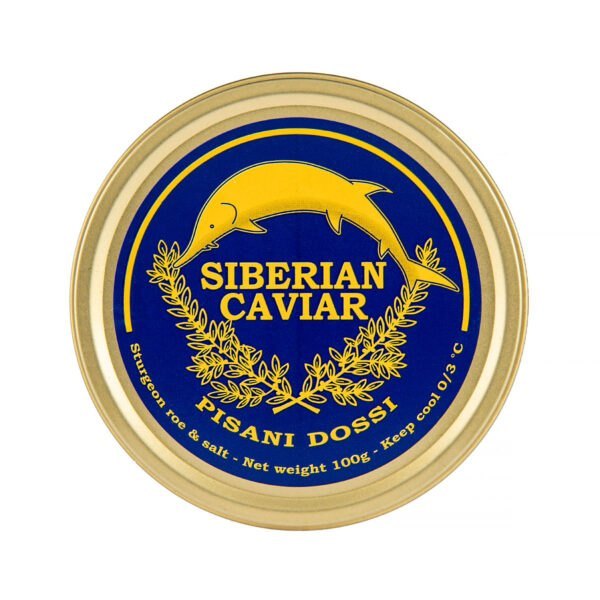
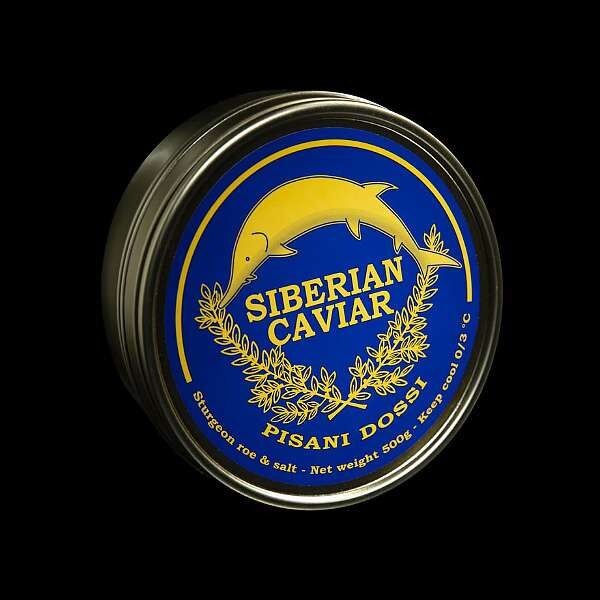
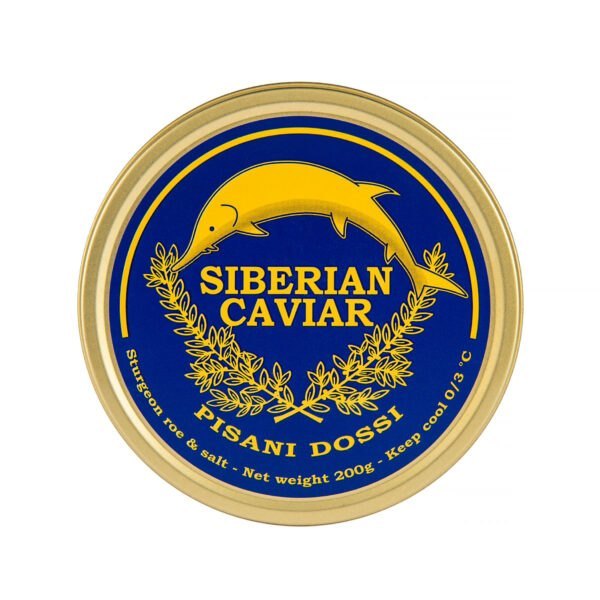
Siberian caviar tins are available in:
- 50g for tasting and gifting
- 100g for personal indulgence
- 200g for sharing and entertaining
- 500g for special occasions and regular connoisseurs
Each tin is hand-processed without any mechanical contact, with eggs sorted by size, color, and firmness before malossol salting. No preservatives, no additives, and no pasteurization are involved at any stage. The result is fresh black caviar in its most natural state, with full flavor and intact grain structure.

Premium Osetra black caviar
The osetra black caviar range at PremiumCaviar draws on Russian sturgeon Acipenser gueldenstaedtii and a distinctive hybrid of Russian and Siberian sturgeon. The roe presents homogenous grains with a mild, consistent taste and a subtle walnut aftertaste.
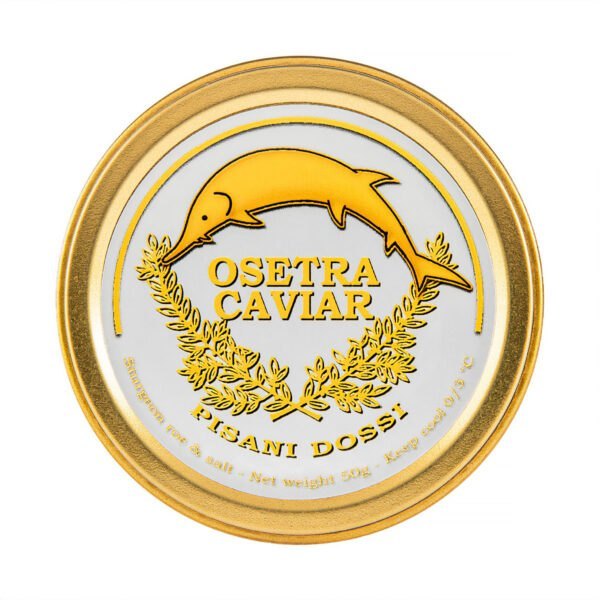

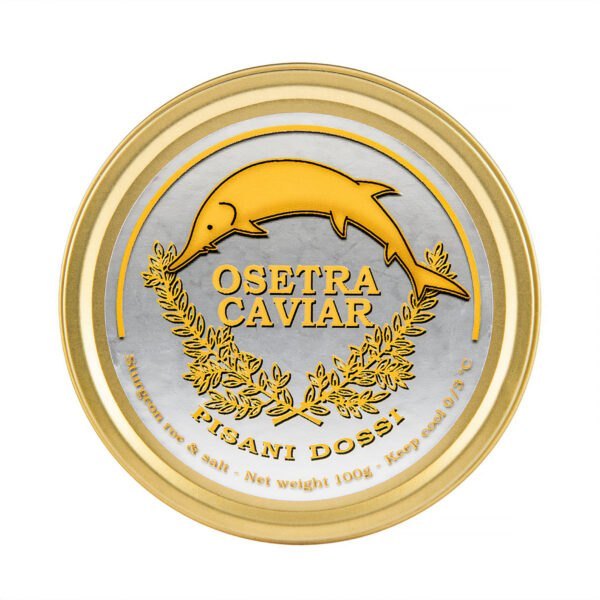
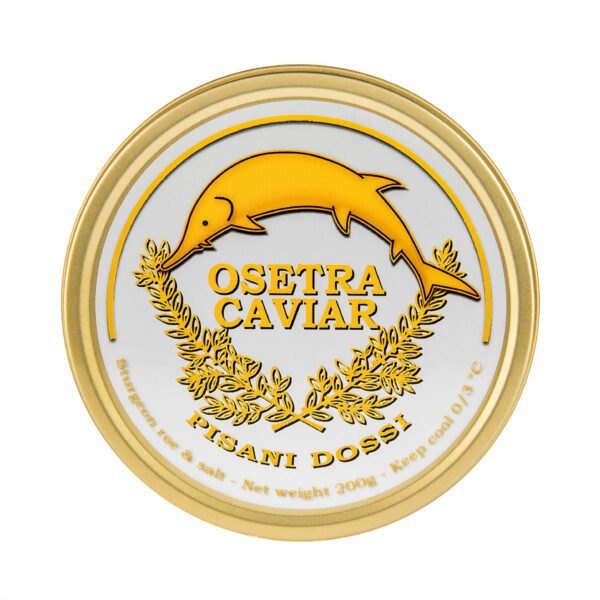
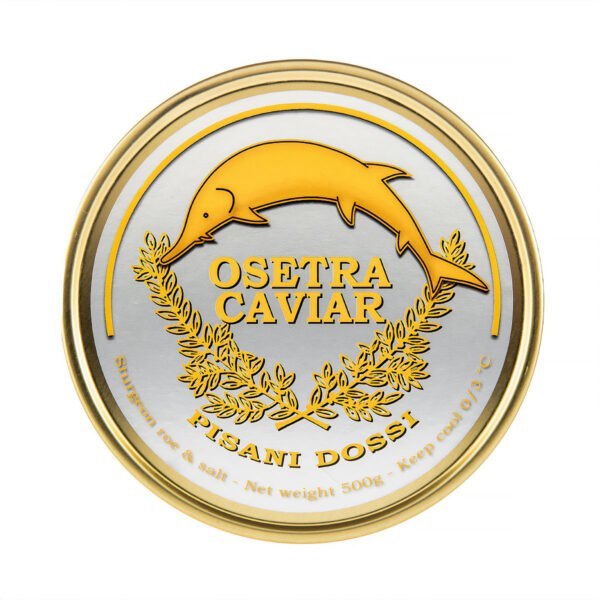
Female sturgeon are conditioned in pure spring water before harvest. Meticulous selection of each fish, combined with precise timing of the salting process, produces malossol black caviar with a low salt content and no conservative treatment of any kind. This level of care places the osetra range firmly among the finest farm-produced roe available to European consumers.
Fast delivery within Switzerland and the European Union means that fresh caviar arrives at its destination cold-chained and at peak condition. Orders above a set threshold qualify for complimentary delivery within Switzerland.
For orders, product selection support, or consultation on pairing and serving, the PremiumCaviar team is available through the boutique’s contact page. Reaching out directly connects buyers with specialists who can recommend the right tin for any occasion.
Why responsible farms can rival wild caught black caviar today
The conditions that once made wild caviar irreplaceable, natural diets, clean water, and long maturation cycles, are now reproduced in responsible farming operations. The argument for wild exclusivity rests on a foundation that modern aquaculture has steadily dismantled.
Sustainability practices that elevate farmed black caviar
Wild sturgeon populations across the Caspian, Black, and Adriatic seas have collapsed over the past century. CITES banned commercial wild sturgeon fishing in 2008 for most species, making farmed caviar not just comparable but the only legal and traceable option for most markets. This shift means that choosing farmed sturgeon black caviar is also a decision that supports species recovery.
Top farms treat sustainability as a production principle, not a marketing claim. Non-lethal harvesting keeps female sturgeon alive and productive for multiple roe cycles, reducing the total number of fish needed per kilogram of caviar produced. Closed RAS systems use no antibiotics, release no waste into natural waterways, and maintain water quality that would be impossible in open water systems.
Sustainable farming practices at leading facilities:
- Closed-loop RAS systems that recirculate and filter all water on-site
- Non-lethal harvesting methods that allow females to produce caviar multiple times
- Feed programs free from antibiotics and growth hormones
- CITES registration and full traceability from egg to tin
- Cold-chain logistics that preserve freshness without chemical additives
These practices align with the expectations of buyers who want a product that is both excellent in quality and defensible in origin. Responsible farming resolves the ethical contradiction that wild caviar has always carried.
Expert and chef recognition of farm raised varieties
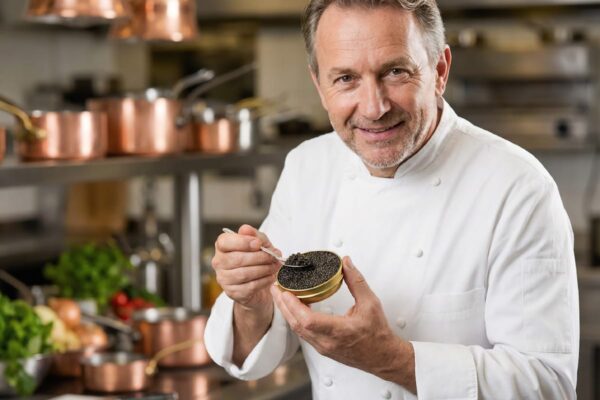
Professional recognition of farmed caviar has grown steadily over the past decade. Chefs at Michelin-starred restaurants across Europe and North America now specify farmed varieties as their preferred source, citing consistency and traceability as practical advantages in a professional kitchen. The flavor of well-produced farmed caviar is described by culinary professionals as clean, reliable, and fully capable of anchoring a high-end dish.
Blind tasting events held by food publications have repeatedly shown that tasters with formal caviar experience struggle to place farmed quality black caviar below wild varieties in ranking. Several farm-produced lots have scored above wild samples in categories including grain uniformity, aroma, and finish length.
This shift in expert opinion reflects a broader change in how the food world evaluates origin claims. Traceability, animal welfare, and environmental accountability now carry weight alongside taste, and farmed premium black caviar addresses all three.
FAQ: Frequently Asked Questions
Can farmed black caviar truly match the taste of wild-caught varieties?
Yes, responsibly farmed black caviar can match wild-caught varieties in taste. Modern farms use controlled feeding programs built around omega-3-rich diets that replicate the natural nutrition of wild sturgeon. The result is roe with a clean, buttery, and well-rounded flavor.
Blind tasting events involving professional tasters have repeatedly shown that high-quality farmed caviar scores on par with wild-caught lots in aroma, finish, and grain character. The flavor difference, once a real gap, has narrowed to a point where most tasters cannot reliably tell the two apart.
What is malossol black caviar and why does it matter?
Malossol refers to a traditional curing method that uses less than 3.8% salt to preserve caviar. The word comes from Russian and means “little salt.” This light salting preserves the natural oils, briny undertones, and buttery finish of the roe without masking them.
Only firm, clean, and intact eggs survive this process well. Any softness or damage in the roe becomes obvious at such low salt levels, which makes malossol processing a reliable quality indicator. Top sturgeon farms that master this method work with consistently high-grade raw roe.
How do farms produce black caviar without preservatives?
When sturgeon eggs are extracted gently from live fish in a sterile environment, the roe arrives in a clean state that requires no chemical treatment. Pure sea salt at 3 to 5% concentration is the only ingredient added during processing.
Non-lethal harvesting methods preserve the natural oils inside each egg fully intact. These oils carry the flavor compounds and nutritional value of the caviar. No borax, no pasteurization, and no additives are needed when the raw material meets this standard.
What certifications should quality black caviar carry?
CITES registration is mandatory for all legal sturgeon caviar trade. It confirms the product comes from farmed, not endangered wild, sturgeon. Buyers should also look for Aquaculture Stewardship Council (ASC) accreditation, which confirms responsible water use, feed practices, and animal welfare at the source.
Farms carrying multiple certifications face regular audits and must maintain full traceability records from fish to finished tin. This transparency gives buyers verified confidence that the label reflects what is inside. Checking for these credentials before purchase is the most direct way to confirm authenticity and quality.
Is farmed osetra black caviar as good as wild osetra?
Farmed osetra black caviar now accounts for the vast majority of osetra roe available to consumers worldwide, largely because wild Acipenser gueldenstaedtii stocks have declined sharply from decades of overfishing. Responsible farms raising this species in controlled recirculating systems replicate its characteristic nutty, layered flavor with measurable consistency.
Ultrasound-guided harvest timing allows farms to collect eggs at peak maturity, preserving the firm grain and satisfying texture that osetra is known for. Tasting assessments confirm that farmed osetra meets the same sensory benchmarks as traditionally sourced wild varieties.
How should fresh black caviar be stored and served?
Fresh black caviar requires constant cold storage to stay at its best. The ideal storage temperature sits between 0°C and 2°C (28°F to 32°F). At this range, an unopened tin of malossol caviar stays fresh for four to six weeks. Once opened, it should be consumed within two to three days.
For serving, the tin or vessel should rest on crushed ice for several minutes before opening. Metal utensils transfer taste to the eggs, so bone, mother-of-pearl, or ceramic spoons are the standard choice. Keeping the caviar cold from storage through service preserves both texture and flavor fully.
Conclusion
Farmed black caviar has moved from a compromise choice to a first-choice product for those who value quality, consistency, and transparent sourcing. Advances in RAS technology, non-lethal harvesting, and malossol black caviar processing have brought farm-produced roe to a standard that matches wild-caught varieties across every meaningful measure.
The nutritional density, flavor complexity, and grain quality of well-managed farmed sturgeon black caviar now reflect years of scientific refinement. Producers who apply controlled feed programs, sterile processing, and strict cold-chain logistics bring black caviar without preservatives to the table with a purity that wild fisheries cannot guarantee.
Wild black caviar carries a storied reputation, but the conditions that built that reputation now exist inside responsible farms. Choosing farmed premium black caviar from a certified, traceable source is a decision supported by flavor, nutrition, ethics, and science in equal measure.
Sources:
- https://en.wikipedia.org/wiki/Caviar
- https://www.sciencedirect.com/science/article/abs/pii/S0044848625006520
- https://www.eumofa.eu/documents/20178/449260/2021+-+The+Caviar+Market.pdf/04e7de02-bdc8-d0e2-96cb-59c730436b78?t=1620208745691
- https://www.awi.de/en/transfer/technology-transfer/technology-transfer-offers-to-the-private-sector/caviar-production-from-live-sturgeon