
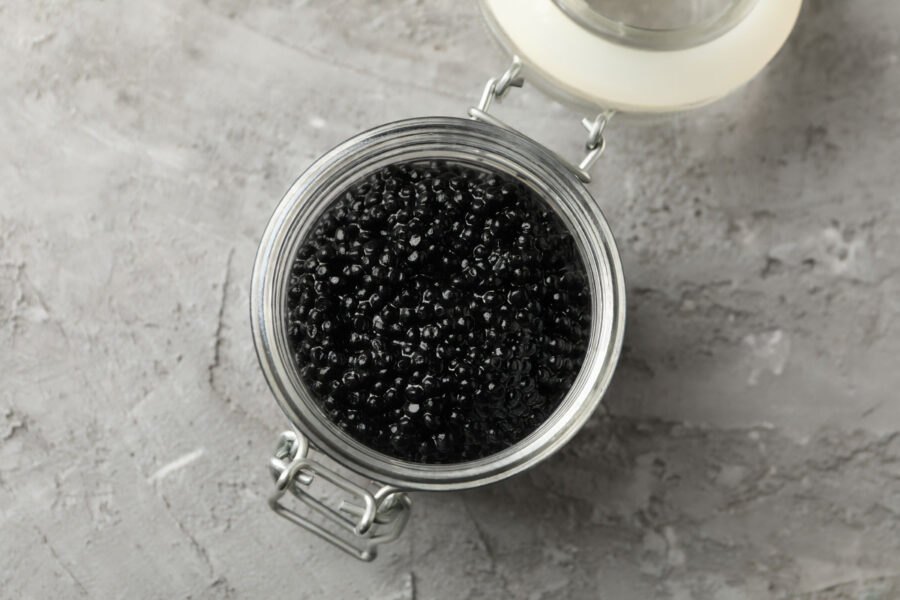
The world of malossol black caviar remains a target for fraud and deception. Buyers face numerous risks when purchasing this premium delicacy. The global caviar market attracts counterfeiters who exploit demand for quick profits. Understanding authentication methods protects consumers from spending money on fake products.
Malossol preparation means lightly salted, containing less than 5% salt content. This traditional method preserves the natural taste while maintaining delicate texture. Authentic malossol caviar commands premium rates due to its quality and proper processing. The low salt content makes it more perishable than heavily preserved alternatives.
Counterfeit operations use various tactics to deceive even experienced buyers. Fish eggs from lumpfish, paddlefish, and other species get mislabeled as sturgeon caviar. Some vendors relabel expired products with new dates to extend shelf life illegally. Learning proper identification techniques helps buyers make informed purchasing decisions.
Visual inspection techniques for authentic malossol black caviar
Physical examination reveals crucial details about caviar authenticity and quality. The appearance tells much about processing methods and storage conditions. Visual inspection should be the first step before making any purchase decision. Genuine sturgeon caviar displays specific characteristics that counterfeit products cannot replicate perfectly.
Examining bead size consistency and natural color variations
Authentic caviar eggs show natural size variations within acceptable ranges. Each sturgeon species produces eggs with distinct diameter measurements. Beluga eggs measure 3 to 4 millimeters, while Ossetra ranges smaller. Real caviar displays subtle differences in bead dimensions throughout the container.
Color ranges depend on the sturgeon species and maturity level. Authentic black caviar spans from light gray to deep black hues. Natural color variations appear within a single batch due to biological factors. Fake products often show artificially uniform coloring that looks too perfect.
Dyed imitations lack the subtle transparency found in genuine eggs. Real caviar beads have a semi-transparent membrane that light passes through. The color depth changes when viewing eggs from different angles. Counterfeit products made from gelatin or seaweed maintain consistent opacity.
Identifying the characteristic eye or embryo spot on genuine eggs
The embryo spot serves as a biological marker of authenticity. Each genuine sturgeon egg contains a visible nucleus or “eye” when examined closely. This dark spot represents the developing embryo before preservation processing. Artificial caviar lacks this natural biological feature entirely.
The eye appears as a small dark point on the egg surface. Its presence confirms that eggs came from actual fish reproduction. Counterfeiters cannot replicate this detail in gelatin-based imitations. Examining multiple eggs under good lighting reveals this authentication marker.
Recognizing the proper glossy appearance versus artificial shine
Natural caviar displays a subtle, elegant shine that reflects light softly. The glossy surface comes from natural oils present in sturgeon eggs. Real eggs maintain this characteristic sheen without appearing overly wet or greasy. The shine remains consistent across properly stored products.
Fake caviar often exhibits a dull, flat appearance lacking natural luster. Some imitations use artificial coatings to create excessive shine. The unnatural glossiness looks plastic-like rather than organic. Genuine malossol caviar never appears completely dry or lackluster.
Poor storage conditions affect the natural shine of authentic caviar. Dehydrated eggs lose their characteristic glossy appearance over time. Proper refrigeration maintains the delicate surface sheen throughout shelf life. Fresh caviar should glisten naturally when served at proper temperature.
Texture and physical properties that distinguish real caviar
Physical characteristics provide definitive evidence of caviar authenticity and quality. Texture analysis requires hands-on testing that reveals processing methods. The way eggs respond to pressure differs dramatically between real and fake products. Tactile examination complements visual inspection for complete authentication.
Testing firmness through gentle pressure without breaking eggs
Real sturgeon eggs maintain firmness while remaining delicate to touch. Pressing gently with a spoon tests structural integrity without destroying eggs. Authentic caviar resists initial pressure before bursting cleanly. The membrane provides just enough resistance to create the signature pop sensation.
Fake caviar made from gelatin stretches or squishes under gentle pressure. These imitations lack the precise firmness found in natural eggs. Some counterfeit products feel rubbery or overly firm to the touch. Others collapse too easily without producing the characteristic burst.
The testing method requires careful application of gradual force. Place a few eggs on a flat surface and apply gentle downward pressure. Genuine eggs maintain their round shape until reaching the breaking point. Artificial substitutes deform significantly before rupturing or stretch without breaking.
Feeling for the distinctive pop when pressed against the palate
The palate test remains one of the most reliable authentication methods. Real caviar bursts gently when pressed against the roof of the mouth. The eggs release their contents smoothly with a delicate popping sensation. This texture experience cannot be replicated by artificial products.
Authentic eggs feel smooth and silky on the tongue initially. Gentle pressure with the tongue against the palate triggers the burst. The membrane breaks cleanly, releasing creamy interior contents. The entire process feels refined rather than harsh or abrupt.
Fake caviar produces distinctly different mouth sensations during consumption. Imitation eggs may feel grainy, rubbery, or excessively firm. Some substitutes resist bursting altogether or require excessive pressure. Others collapse without the satisfying pop characteristic of genuine caviar.
Checking moisture levels and proper separation of individual beads
Properly processed malossol caviar maintains optimal moisture balance. Each egg separates easily from others without excessive sticking. The beads move freely within the container when gently tilted. Correct moisture levels prevent clumping while maintaining freshness.
Authentic caviar should not appear swimming in excess liquid. Small amounts of natural juice are normal and expected. Too much liquid indicates improper processing or potential quality issues. The eggs should maintain their structure without floating loosely.
Detecting unnatural stickiness or clumping patterns
Real caviar beads remain distinct and separate throughout storage. Natural oils provide slight adhesion without causing problematic clumping. The eggs maintain individual integrity when scooped with serving utensils. Each bead rolls independently across a serving plate.
Counterfeit products often exhibit abnormal stickiness or clumping behavior. Eggs may stick together in masses that resist separation. This indicates artificial binding agents or improper processing methods. Excessive stickiness suggests the presence of added gelatin or preservatives.
Temperature abuse causes authentic caviar to develop some stickiness. Proper cold storage maintains the ideal separation of beads. Products showing extreme clumping likely experienced temperature fluctuations. Fresh malossol caviar at correct temperature separates cleanly without effort.
Pro tip: Roll a small amount of caviar on a clean white plate. Real eggs glide smoothly without leaving residue or artificial coloring behind.
Packaging authentication and regulatory compliance markers
Legitimate caviar packaging includes specific documentation and identification markers. International regulations require detailed labeling for all sturgeon products. These requirements protect endangered species and combat illegal trade. Understanding packaging elements helps buyers verify product legitimacy before purchase.
Verifying CITES documentation and legal import certificates
The Convention on International Trade in Endangered Species regulates all sturgeon caviar. Every legal container must display a CITES label proving authorized sourcing. This label includes specific codes identifying the producing facility. Absence of CITES certification indicates potentially illegal or counterfeit products.
CITES labels contain unique identification numbers traceable to specific farms. The label shows the country of origin and sturgeon species. Registration numbers connect products to licensed producers and processors. Buyers should verify these codes through official CITES databases.
Import certificates accompany all legally traded international shipments. These documents prove customs clearance and regulatory compliance. Reputable retailers provide documentation upon request without hesitation. Vendors unable to produce proper certificates raise immediate red flags.
Reading batch codes and traceability information correctly
Modern traceability systems track caviar through the entire supply chain. Each batch receives unique codes identifying production date and location. The packaging displays information about processing methods and storage. Complete traceability prevents illegal substitution at various distribution points.
Batch codes reveal when the caviar was harvested and processed. This information helps buyers assess freshness and quality levels. The codes also identify the specific sturgeon farm and processing facility. Legitimate producers maintain detailed records matching codes to physical products.
Traceability data includes processing method details and salt content percentages. Malossol preparation should be clearly stated on packaging labels. The label indicates whether the product received pasteurization treatment. All ingredients beyond sturgeon eggs and salt require explicit disclosure.
Spotting counterfeit tins and suspicious container materials
Authentic caviar comes in specific container types meeting industry standards. Glass jars allow visual inspection without opening the product. Metal tins from reputable producers display consistent quality manufacturing. Suspicious packaging materials suggest counterfeit operations or substandard handling.
Legitimate containers show professional labeling with clear text and graphics. The printing quality remains sharp without blurred or faded areas. Proper containers seal completely to prevent contamination and oxidation. Damaged or poorly sealed packaging indicates handling problems.
| Authentication Element | Genuine Caviar | Counterfeit Product |
|---|---|---|
| CITES Label | Present with verifiable codes | Missing or fake documentation |
| Batch Traceability | Complete chain of custody records | Limited or no tracking data |
| Container Quality | Professional sealing and materials | Poor sealing or cheap materials |
| Label Information | Species, origin, processing method | Vague or missing details |
| Shelf Life Marking | Realistic dates for preparation type | Unrealistic long shelf life |
Reputable retailers willingly provide detailed packaging information before purchase completion. Serial numbers on containers match documentation provided with each shipment. The manufacturing date appears clearly stamped on both outer packaging and inner containers. Buyers should request high resolution photos showing all label details when ordering online. Transparent sellers respond quickly to packaging verification requests without hesitation. Any reluctance to show complete packaging details raises serious authenticity concerns.
Pro tip: Scan CITES codes through official databases before purchasing expensive caviar. Legitimate codes verify instantly while fake ones return no results.
Sensory analysis through taste and aroma evaluation
Professional sensory evaluation provides definitive authentication confirmation. Trained palates detect subtle characteristics that visual inspection cannot reveal. The aroma and taste profile of authentic sturgeon roe differs dramatically from substitutes. Sensory testing requires careful attention to specific flavor markers.
Recognizing the clean oceanic scent versus chemical odors
Authentic malossol caviar emits a mild, fresh oceanic aroma. The scent resembles clean seawater without any fishy intensity. Natural caviar carries subtle briny notes that appeal to the senses. This delicate smell indicates proper processing and fresh product.
Strong fishy odors signal poor quality or improper handling. Authentic caviar never smells aggressively pungent or unpleasant. The aroma should remind one of the sea without overwhelming sharpness. Chemical smells indicate artificial additives or preservation agents.
Rancid odors develop when caviar experiences oxidation or age. These smells differ completely from the clean oceanic character. Metallic scents sometimes appear in counterfeit products. Any unusual or artificial smell raises questions about product authenticity.
Identifying the balanced salt content in true malossol preparation
The term malossol specifically describes low-salt preservation methods. Authentic malossol caviar contains less than 5% salt by weight. The taste balances salinity with natural egg flavors perfectly. Excessive saltiness indicates either poor quality or incorrect labeling.
Real malossol caviar tastes subtly salty without overpowering other flavors. The salt enhances natural tastes rather than masking them. Properly salted caviar leaves a clean finish on the palate. The salinity level allows detection of nutty and buttery undertones.
Counterfeit products often use excessive salt to extend shelf life. This heavy salting masks inferior egg quality and unpleasant flavors. The overwhelming saltiness prevents detection of natural caviar characteristics. Authentic malossol preparation never requires such high salt concentrations.
Detecting artificial flavoring agents or preservatives
Pure malossol caviar contains only sturgeon eggs and salt. Any additional ingredients indicate non-traditional processing methods. Artificial flavoring creates tastes that differ from natural caviar profiles. These additives produce overly sweet or artificially enhanced flavors.
Sensory characteristics of authentic caviar include:
- Nutty undertones that develop gradually
- Buttery richness without added fats
- Mild earthiness from natural origins
- Subtle sweetness from the eggs themselves
- Clean finish without lingering aftertastes
Chemical preservatives leave distinctive taste signatures on the palate. These agents create slightly bitter or metallic flavor notes. Authentic caviar aged through natural methods tastes cleaner. The absence of preservatives allows true egg flavors to shine.
Pasteurization affects taste differently than artificial preservation. Pasteurized caviar maintains cleaner flavor than heavily preserved alternatives. The heating process changes texture slightly without adding chemicals. Some connoisseurs prefer unpasteurized malossol for maximum flavor intensity.
Noticing the creamy finish that authentic caviar provides
The finish describes flavors lingering after swallowing caviar. Authentic products leave a creamy, pleasant sensation on the palate. This richness comes from natural oils present in sturgeon eggs. The finish develops layers of flavor over several seconds.
Real caviar reveals different taste notes as the finish progresses. Initial saltiness gives way to nutty and buttery characteristics. The complexity continues evolving for 30 seconds or longer. This extended finish distinguishes premium caviar from cheap substitutes.
Fake caviar produces flat, one-dimensional taste profiles. The flavor remains constant without developing additional notes. Imitations lack the sophisticated finish found in genuine products. The taste disappears quickly without leaving memorable impressions.
Pro tip: Place a small amount of caviar on the tongue without chewing. Let it sit for five seconds before pressing against the palate. This technique reveals the full complexity of authentic caviar flavor profiles.
Premium fresh true malossol black caviar at PremiumCaviar Shop
Authentic malossol caviar demands precise handling and traditional preparation methods. PremiumCaviar maintains strict quality standards throughout the entire production process. The company sources eggs from sustainable Italian sturgeon farms using natural spring water systems. Each batch receives careful selection at optimal maturity levels before processing.
The preparation method uses only sturgeon roe and salt without any additives. Salt content remains between 3.5 and 4 percent, meeting traditional malossol standards. This minimal preservation approach maintains natural taste without artificial treatments or chemicals. Vacuum sealing protects freshness during transportation and storage.
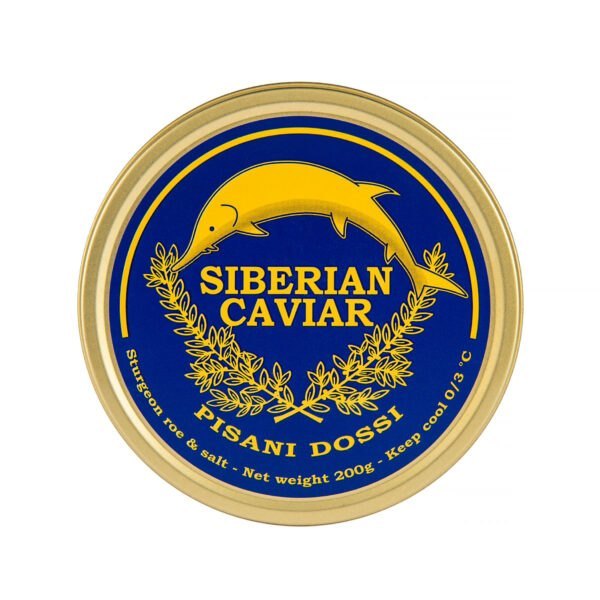
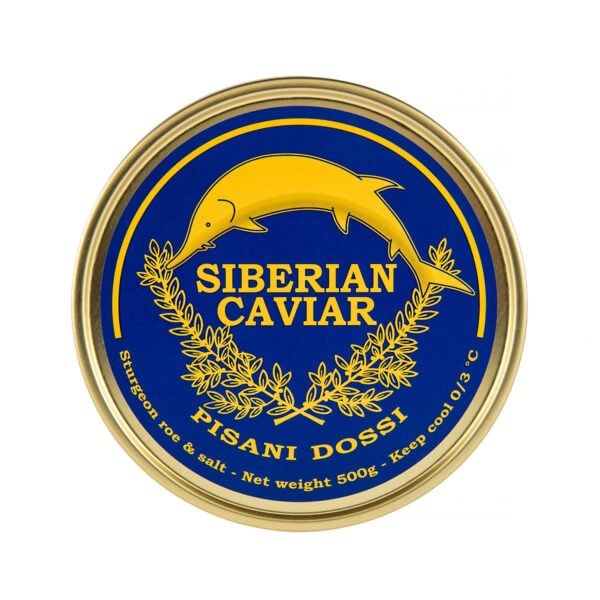
Authentic Siberian Sturgeon Caviar Selection
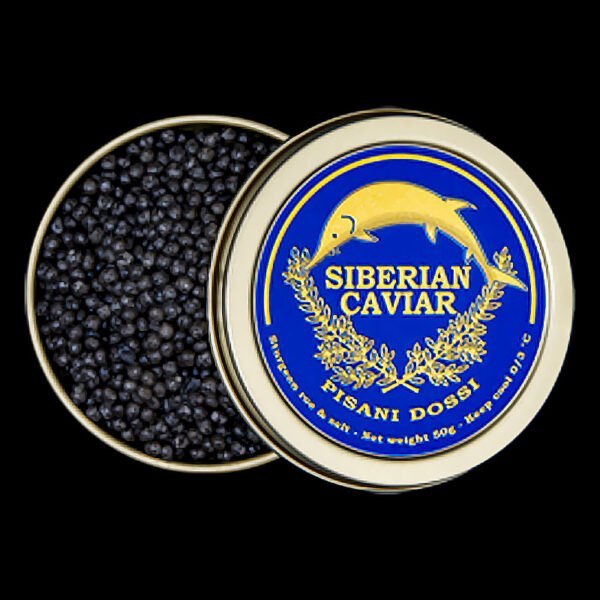
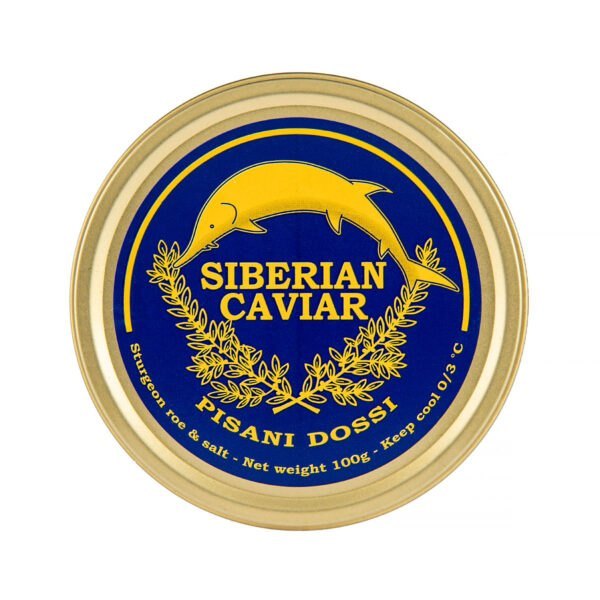
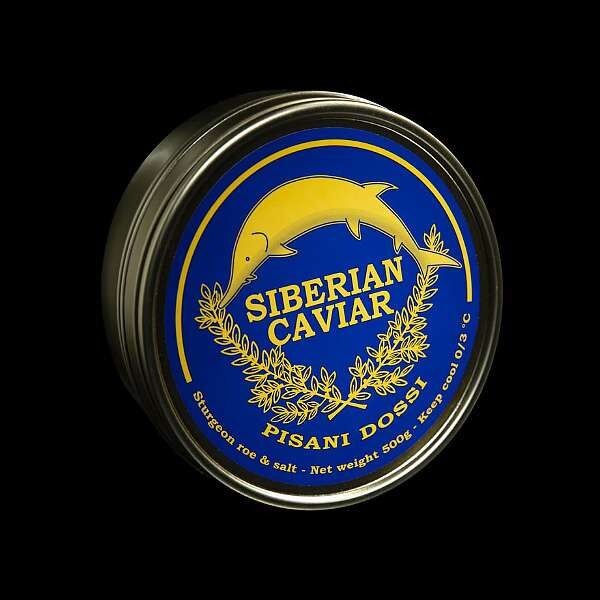
Premium Siberian sturgeon caviar features fine grain sizes ranging from 2.6 to 3.0 millimeters. The eggs display natural colors spanning black, grey, and brown tones. Each bead contains pure, refined flavors with mild nutty undertones. The taste profile includes subtle hints of hazelnut and wild berries. This variety maintains firm texture and clean finish characteristics. The malossol preparation preserves natural properties while extending reasonable shelf life.

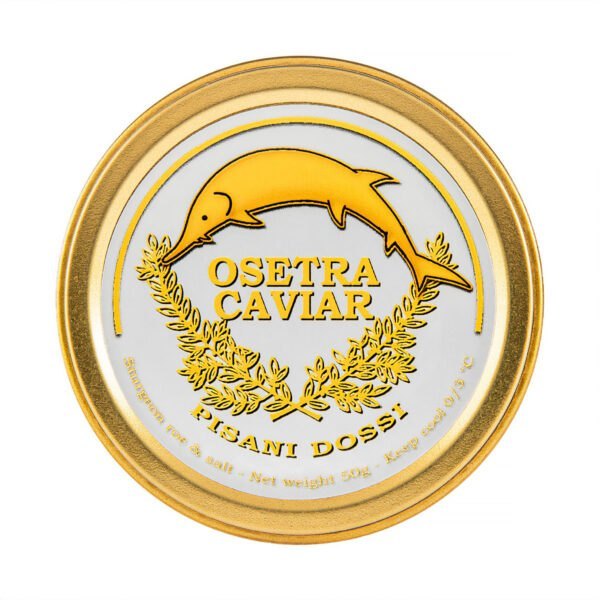
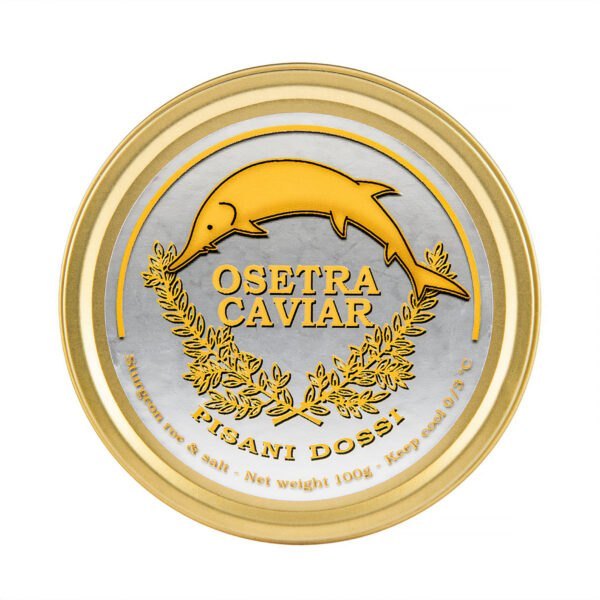
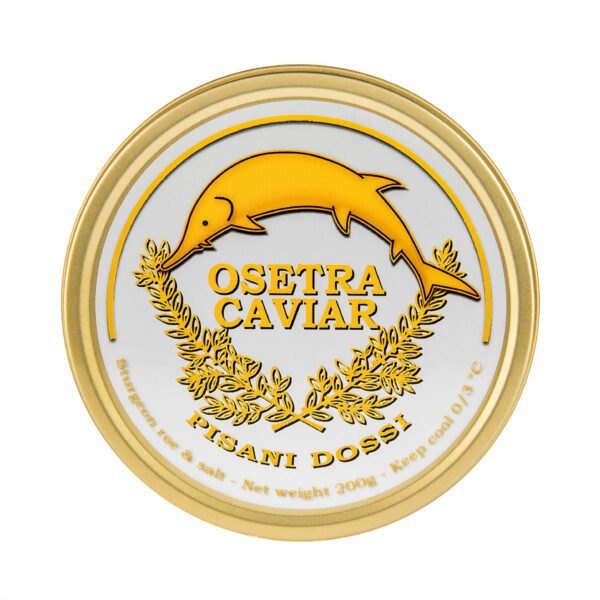
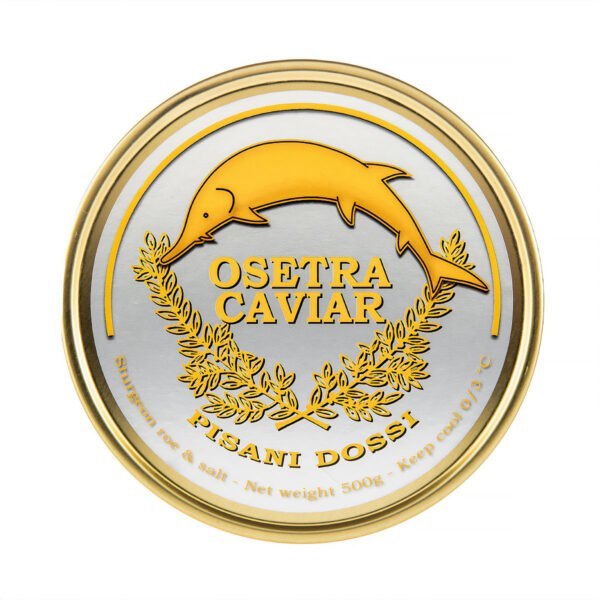
Premium Osetra Sturgeon True Caviar Collection
Osetra caviar provides slightly larger eggs measuring 2.9 to 3.2 millimeters in diameter. Colors vary from dark grey to olive green and golden brown shades. The flavor delivers rich, buttery notes with refined complexity. Natural nuttiness creates a smooth, lasting impression on the palate. This premium variety represents traditional caviar excellence and careful craftsmanship. Each egg undergoes selection for optimal size, color, and flavor development.

Direct Delivery Throughout Switzerland
The PremiumCaviar online shop serves customers across major Swiss cities and regions. Fast delivery ensures products arrive fresh and properly chilled. Temperature controlled shipping maintains quality from farm to table. Each order receives individual attention and proper handling procedures.
Buyers seeking genuine malossol caviar can explore the complete product range online. Professional consultation helps select appropriate varieties for different occasions. Contact the support team for detailed information about sourcing and preparation methods.
Common fraud schemes and substitution tactics in the market
Criminal operations employ sophisticated methods to deceive caviar buyers worldwide. Understanding common fraud schemes protects consumers from financial losses. The high value of genuine malossol caviar motivates extensive counterfeiting efforts. Market knowledge helps identify suspicious sellers and products.
How lumpfish and other fish eggs get passed as sturgeon caviar
Lumpfish roe represents one of the most common caviar substitutes. These smaller, cheaper eggs get dyed black to resemble sturgeon products. Lumpfish caviar costs significantly less than genuine sturgeon roe. Unscrupulous sellers exploit consumer ignorance to charge premium rates.
The substitution works because lumpfish eggs share some visual similarities. Both products feature small, dark beads with similar appearance. Dye treatment makes the color match black sturgeon varieties. The deception often succeeds with inexperienced buyers.
Common substitution fish species include:
- Lumpfish from cold Atlantic waters
- Paddlefish native to North American rivers
- Salmon roe dyed to appear darker
- Trout eggs modified through processing
- Bowfin eggs marketed as “Cajun caviar”
- Whitefish roe from various species
Texture differences reveal lumpfish substitution to trained palates. Lumpfish eggs feel harder and less delicate than sturgeon roe. The flavor profile lacks the complexity of authentic caviar. These substitutes taste simpler with less refined characteristics.
Understanding species misrepresentation between sturgeon varieties
Different sturgeon species command varying market values. Beluga caviar from Huso huso commands the highest rates globally. Sellers sometimes mislabel cheaper sturgeon species as premium varieties. This fraud allows higher profit margins while technically selling real caviar.
Ossetra and Sevruga sturgeon produce excellent but less expensive caviar. Their eggs differ in size, color, and flavor from Beluga. Proper labeling helps buyers understand exactly what they purchase. Species misrepresentation constitutes fraud even when using real sturgeon.
DNA testing can definitively identify sturgeon species in processed caviar. This scientific method prevents species fraud at retail levels. Some countries require DNA verification for imported caviar shipments. The testing ensures label accuracy throughout the supply chain.
Recognizing when expired caviar gets relabeled with new dates
Date fraud represents a serious health and quality concern. Expired caviar develops off flavors and potential safety issues. Dishonest vendors relabel old products with current production dates. This practice deceives buyers about freshness and remaining shelf life.
Shelf life varies based on preparation method and packaging. Unpasteurized malossol caviar remains fresh for approximately two months. Pasteurized products last up to eight months under proper storage. Suspiciously long shelf life dates suggest either fraud or excessive preservatives.
Physical signs reveal expired caviar regardless of label dates. The eggs lose their glossy appearance and become dull. Off odors develop as the product degrades over time. Texture changes occur with eggs becoming mushy or overly firm.
Pro tip: Calculate backwards from the stated packaging date. If the claimed shelf life exceeds normal ranges for the preparation type, avoid the product entirely. Trust sensory evaluation over printed dates when discrepancies exist.
FAQ: Frequently Asked Questions
What does malossol mean and why does it matter for caviar quality?
Malossol translates from Russian as “little salt” or “lightly salted.” This term describes caviar preserved with less than 5% salt content. The low salt level allows natural egg flavors to shine through without heavy masking. Traditional malossol preparation requires the freshest, highest grade sturgeon eggs. Only premium roe can withstand such minimal preservation methods successfully.
The light salting technique demands expert handling and precise temperature control. Eggs must remain fresh throughout processing to prevent spoilage risks. Malossol caviar tastes more refined than heavily salted varieties. The delicate preservation method creates buttery, nutty flavor notes. This preparation style represents the pinnacle of caviar craftsmanship and quality standards.
Can fake caviar be detected at home using simple testing methods?
Several home tests reveal counterfeit caviar without laboratory equipment. The warm water test remains the most reliable method. Dropping a few eggs into warm water exposes gelatin-based fakes immediately. Authentic sturgeon eggs stay intact while imitations dissolve or release artificial dyes. The water may turn cloudy or colored when testing fake products.
The elasticity check tests physical properties through gentle pressure. Real caviar pops cleanly when pressed with a spoon. Fake eggs made from gelatin stretch or squish without breaking. The iodine test detects starch fillers added to counterfeit products. Applying one drop causes color changes in adulterated caviar. These simple methods protect buyers from purchasing fraudulent products at premium rates.
How long does authentic malossol caviar remain fresh after opening the container?
Opened malossol caviar stays fresh for only two to three days. Air exposure triggers rapid quality decline through oxidation processes. The eggs begin drying out immediately once the seal breaks. Texture softens and aroma fades within the first 48 hours. Flavor deterioration becomes noticeable by the third day after opening.
Unopened malossol caviar lasts approximately four to six weeks when refrigerated properly. Storage temperature must remain between 28 and 32 degrees Fahrenheit consistently. The coldest part of the refrigerator works best for maintaining quality. Pasteurized caviar extends shelf life up to six months unopened. Malossol products require faster consumption due to minimal preservation methods. Professional chefs recommend serving the entire tin within one day of opening.
What makes the water test effective for identifying counterfeit caviar products?
The water test exploits fundamental differences between real and artificial eggs. Genuine sturgeon eggs contain natural proteins and oils within biological membranes. These structures remain stable when exposed to warm water temperatures. The eggs maintain their shape and integrity throughout the test. Natural caviar sinks to the bottom without dissolving or breaking apart.
Fake caviar made from gelatin, agar, or seaweed extracts reacts differently. These artificial materials dissolve or disintegrate in warm water. The binding agents break down, releasing artificial colorants into the liquid. Water turns cloudy or develops unnatural colors during the test. Some imitations partially dissolve, leaving residue or film on the surface. The test takes only a few minutes and requires no special equipment.
Why do legitimate caviar products require CITES certification and documentation?
All sturgeon species face protection under international endangered species regulations. The Convention on International Trade in Endangered Species governs caviar trade globally. Every legal sturgeon product entering international commerce needs proper CITES permits. This certification system prevents illegal harvesting and protects declining wild populations.
CITES documentation traces each shipment back to licensed production facilities. The permits identify the exact sturgeon species and production source. Certification confirms sustainable farming practices and legal harvesting methods. Products lacking proper documentation may come from illegal operations or endangered wild stocks. Customs authorities detain or refuse shipments without valid CITES certificates. The system makes tracing caviar origins simple and transparent for regulators.
Conclusion
Protecting oneself from fake malossol black caviar requires knowledge and vigilance. Visual inspection catches many counterfeit products before purchase. Texture testing and sensory evaluation provide additional verification layers. Understanding packaging requirements helps identify legitimate suppliers and products.
The combination of authentication methods creates a strong defense against fraud. CITES documentation verification ensures legal sourcing and species accuracy. Sensory characteristics reveal processing quality and ingredient authenticity. Market awareness about common fraud schemes prevents expensive purchasing mistakes.
Buyers should prioritize reputable vendors with transparent sourcing documentation. The investment in authentic malossol caviar deserves protection through informed purchasing decisions. Taking time to authenticate products ensures enjoyment of genuine delicacy. Knowledge remains the most powerful tool against caviar fraud.