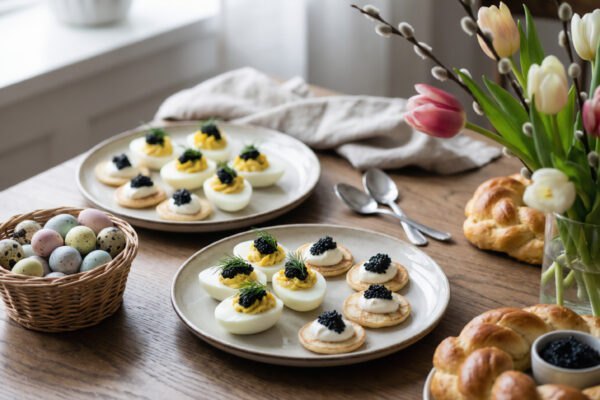


Not every tin of black caviar earns a top score. Behind each one is a trained grader who judges the roe against strict standards, using both sensory skill and technical knowledge. The process is far more layered than a simple taste test.
A grader checks appearance, texture, aroma, and flavor. Each factor carries weight in the final score. Miss one, and a tin that looks good on the outside may fall short of the grade buyers expect.
Understanding what graders actually do helps anyone who selects quality black caviar make smarter choices. The criteria are rooted in centuries of tradition, paired with modern food science.
The sensory criteria caviar graders use to score black caviar
Sensory scoring is the foundation of caviar evaluation. Graders rely on sight, smell, touch, and taste to build a complete picture of what sits in the tin. No single sense tells the whole story, so all four work together.
Before any tasting takes place, a grader spends time observing the roe closely. The visual pass comes first, and it sets the tone for every step that follows.
How egg size and shape determine the first impression
Size is the first thing a grader registers. Large, plump, and round eggs consistently score higher. They hold more of the flavorful liquid inside and deliver a more satisfying mouthfeel when eaten.
Graders also check that every egg in a tin matches closely in diameter. A batch where eggs vary too much in size signals poor sorting or inconsistent harvest conditions. Top-grade sturgeon black caviar shows tight uniformity from egg to egg.
Shape matters just as much as size. Intact, perfectly spherical eggs signal careful processing. Cracked, misshapen, or flattened roe drops the score quickly, since broken eggs affect both appearance and the burst of flavor expected on the palate.
What color and luster reveal about quality black caviar
Color tells a grader about the age of the fish and the state of the roe at harvest. Sturgeon eggs range from pale gray to deep black, with certain species showing golden or greenish tones at peak maturity.
The key is consistency. Rich, even color across the whole tin is a mark of careful sorting. Patches of lighter or darker eggs lower the visual score and suggest uneven maturity within the batch.
Luster is equally telling. A glossy, almost translucent sheen on each egg points to proper handling and cold-chain storage. Dull or matte eggs often mean moisture loss or temperature fluctuation after harvest. Graders of premium black caviar expect a clear, reflective surface on every grain.
How texture and the signature “pop” factor into scoring
Texture is where many tasters first notice a difference between grades. A grader presses a small amount of roe gently against the palate. The eggs should hold their shape briefly, then burst cleanly with a satisfying release of flavor.
Eggs that collapse too easily, feel mushy, or stay rubbery past the point of natural resistance all lose points. The membrane must be firm but not tough. This balance is difficult to achieve and easy to lose if processing or storage goes wrong.
Firmness indicators in grading:
- Eggs hold shape when pressed lightly between two fingers
- No visible leakage or pooling of liquid in the tin
- Clean separation between individual grains, with no clumping
- Membrane releases fully on the palate without resistance
Texture also reflects salt content and freshness. Over-salted roe becomes tough. Under-processed roe turns soft too fast. A skilled grader reads both problems through texture alone, before even tasting for salt.
Why aroma and flavor complexity decide the final grade
Aroma comes before flavor in the evaluation order. A grader brings the tin close and inhales slowly. The ideal scent is clean and ocean-like, faintly briny, with no sharp fishiness. Any ammonia note or sour smell signals spoilage and disqualifies the batch immediately.
Flavor scoring is the most subjective part of the process, yet it carries serious weight. Top-grade quality black caviar shows a layered taste profile. Buttery, nutty, and briny notes should balance without any single one overpowering the rest.
Flavor notes graders look for:
- Mild brine that mirrors a clean ocean taste
- A buttery or creamy finish on the back of the palate
- Earthy or nutty depth, common in well-matured roe
- A long, clean aftertaste with no metallic or bitter edge
Graders score flavor complexity on a sliding scale. A tin with one flat note scores lower than one where the taste builds and changes across the palate. The more layers present, the higher the grade.
How graders assess freshness and salt content in black caviar
Salt and freshness are inseparable in caviar evaluation. Together, they protect the roe from spoilage and define the eating experience. A grader who understands this relationship can judge a tin accurately without relying only on taste.
The amount of salt used in processing is not just a preservation choice. It is a signal of quality intent. Lower salt levels demand faster handling, better cold storage, and shorter time from harvest to tin.
Why freshness is a non-negotiable standard for premium black caviar
Fresh caviar reaches its best flavor within a narrow window. The time between harvest and sealing a tin must stay as short as possible. Delays allow enzymes in the roe to break down fats, softening the texture and flattening the taste.
Graders check freshness through multiple signals: color vibrancy, luster, aroma, and the firmness of the membrane. A tin that passes all four checks consistently scores in the top grade. Any sign of aging or temperature abuse drops the score fast.
Cold-chain management is central to freshness scores. Premium black caviar must stay at temperatures between –2°C and +2°C from harvest to delivery. Even a short break in this chain shows up in the final evaluation.
How malossol black caviar standards shape the salt evaluation
The word malossol comes from Russian and translates to “little salt.” Malossol black caviar uses less than 5% salt by weight. The most sought-after batches use between 2.7% and 3.7% salt.
This low salt level preserves the natural taste of the roe without masking it. Graders measure salt impact through direct tasting. Salt should sharpen and frame the flavor, not lead it. A batch where saltiness dominates loses marks for balance.
Malossol vs. higher-salt processing:
| Criterion | Malossol | Higher-salt processing |
|---|---|---|
| Salt content | 2.7–5% | 8% or more |
| Flavor impact | Natural roe taste preserved | Brine dominates |
| Texture | Firm, delicate membrane | Often tougher |
| Shelf life | Shorter, needs cold chain | Longer, more stable |
| Grade outcome | Grade 1 candidate | Grade 2 or lower |
Graders trained on malossol standards develop a sharp sensitivity to over-salting. Even a fraction of a percent above the accepted range can tip a batch from a top score to a mid-tier result.
What the absence of preservatives signals to a trained grader
Black caviar without preservatives signals a commitment to minimal processing. When no borax, sodium benzoate, or other additives appear on the label, a grader interprets this as a sign the roe was handled fast and stored well.
Preservatives can mask off-flavors that develop in aging roe. A grader who finds a clean, natural taste without chemical notes scores the tin higher. The absence of preservatives also points to a producer who trusts the cold chain rather than chemicals to maintain safety.
At PremiumCaviar, all black caviar without preservatives is processed under strict cold-chain conditions, keeping the roe natural from harvest to tin. This approach allows the true character of each batch to come through in every score.
The role of sturgeon maturity and species in the grading outcome
A grader never evaluates roe in isolation. The species and age of the fish shape every sensory quality in the tin. Two batches processed identically can score differently if the underlying biology differs.
Knowing the source species tells a grader what to expect in size, color, and flavor. Deviations from those species norms help flag batches that were harvested at the wrong stage.
How sturgeon age affects the roe that graders evaluate
Sturgeon take years to reach the maturity needed for top-grade roe. Russian sturgeon, for example, produces its best eggs between 10 and 16 years of age. Roe from younger fish tends to lack flavor depth. Roe from older fish can turn soft and lose membrane strength.
Age shows up clearly in color. As a sturgeon matures, the eggs shift from darker shades toward lighter, sometimes golden tones. Graders use this color shift as a rough age indicator during visual assessment.
The fat content in the egg also rises with age, up to a point. Higher fat means richer flavor and the creamy finish that earns top scores. Graders sense this directly through taste, noting the length and richness of the aftertaste.
Pro tip: When selecting sturgeon black caviar, check for harvest documentation that notes the age of the fish. Batches from fish in the 10 to 16-year range consistently show the firmest texture and deepest flavor.
What makes osetra black caviar distinct under a grader’s assessment
Osetra black caviar comes from the Russian sturgeon, which matures between 12 and 15 years. The eggs are medium to large in size and sit in the mid-range compared to other sturgeon species. Graders expect a firm membrane and a nutty, rich flavor profile at peak maturity.
Color in osetra roe is one of its most recognizable traits. At full maturity, the eggs shift toward a golden-jade tone. The lighter the color, the more mature the fish, and graders treat lighter golden roe as a marker of both age and flavor richness.
Graders assess osetra black caviar against species-specific benchmarks. A batch that shows the expected golden tint, firm texture, and clean nutty aroma scores near the top of the grade scale. Any deviation from these norms, such as dark eggs with a flat flavor, signals early harvest or poor maturity. At PremiumCaviar, premium osetra black caviar is sourced from fully matured fish, ensuring every grader’s criterion is met before a tin reaches the shelf.
When choosing osetra black caviar, look for batches where the color leans golden rather than deep gray. That shade shift is a reliable indicator of the maturity level that graders reward with the highest scores.
Where to find top-grade fresh black caviar
Selecting the right source is just as important as knowing what graders look for. A producer who applies strict harvest controls, processes roe without additives, and ships under proper cold-chain conditions delivers a tin that reflects genuine grading standards. PremiumCaviar meets all of these requirements, sourcing exclusively from a sustainable sturgeon farm in northern Italy that has operated since 1982.
The farm uses an organic approach to production, combining modern technology with traditional manual techniques. Every batch leaves the facility free of preservatives, staying true to the principle that great caviar needs nothing more than roe and salt.
Premium Siberian and Osetra black caviar selection
PremiumCaviar carries two core collections of top-grade sturgeon roe. Both meet the strict sensory benchmarks that trained graders apply during evaluation.
Caviar collections available:
- Premium Siberian Sturgeon Black Caviar, with fine-grained eggs ranging from 2.6 to 3.0 mm in diameter, a pure and clean flavor, and colors spanning black-grey to black-brown tones
- Premium Osetra Black Caviar, known for its medium-to-large eggs, a rich nutty profile, and the golden color shift that signals full sturgeon maturity

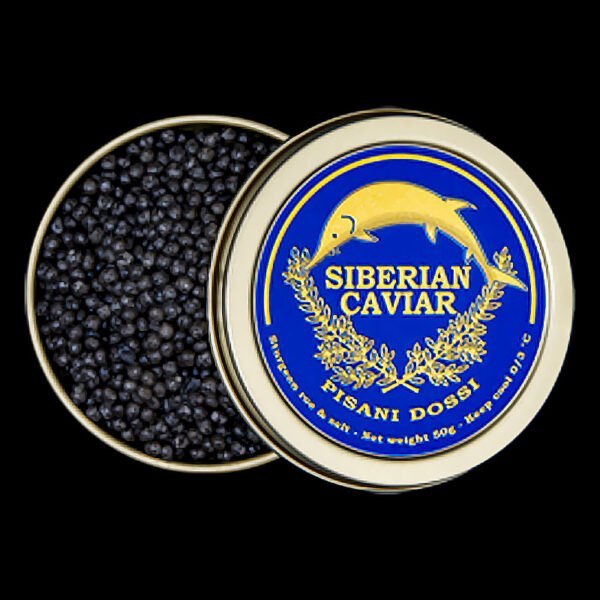
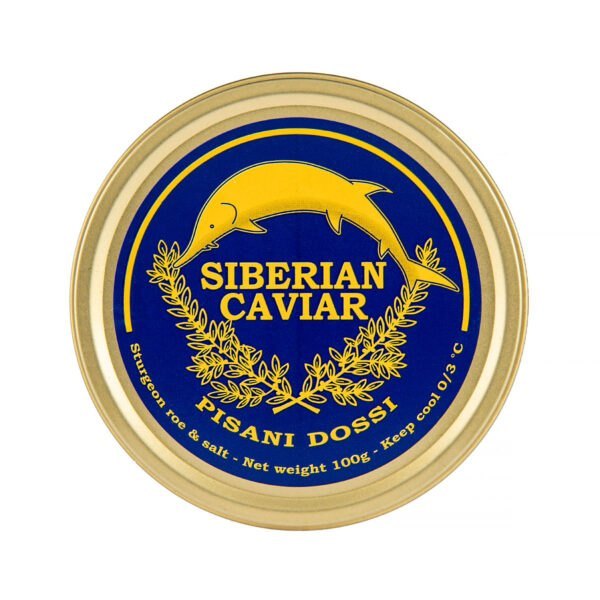
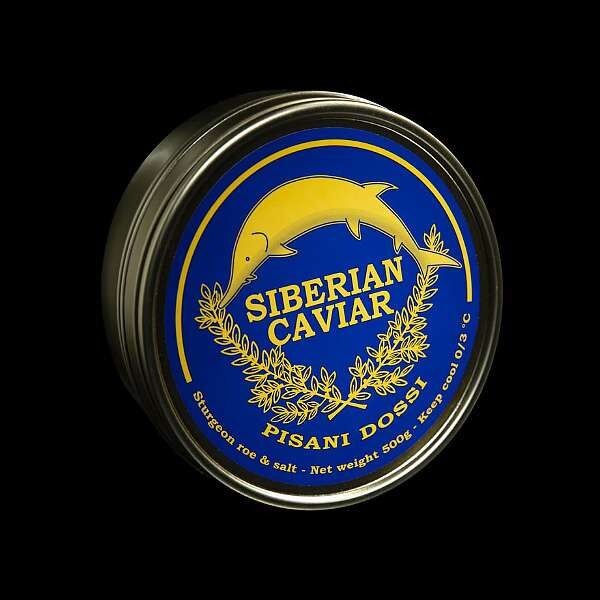


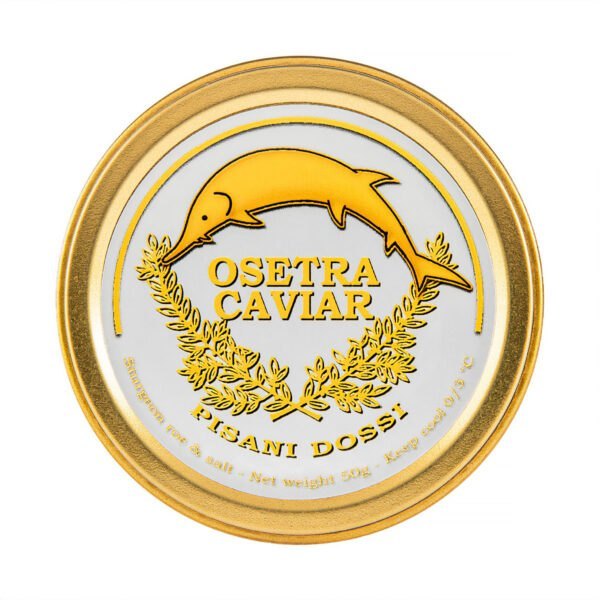

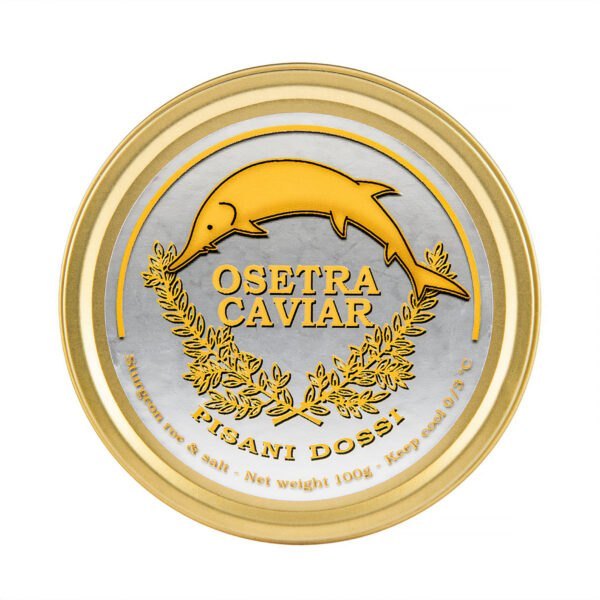
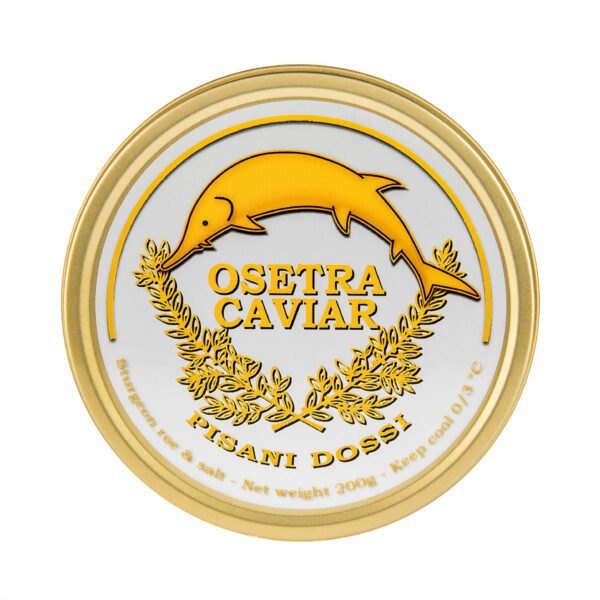
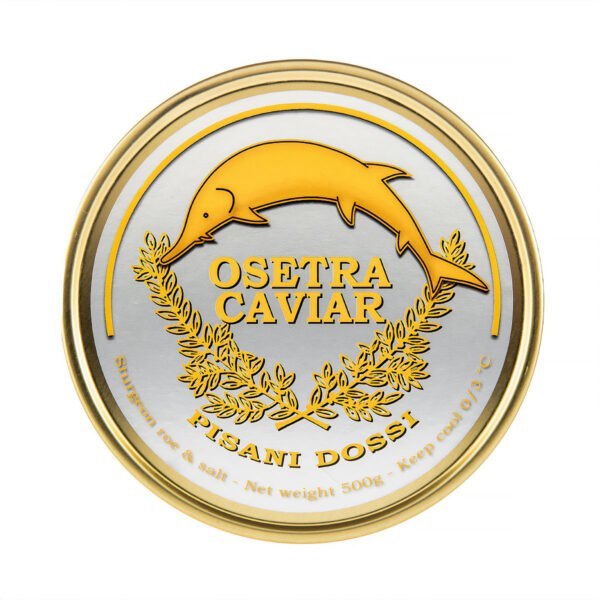
Each tin arrives fresh, with no preservatives added at any stage of processing. The cold chain stays intact from the farm in Italy to the final delivery. Fast delivery covers both Switzerland and the European Union, ensuring the roe reaches the table at peak freshness.
Recognition and quality assurance
PremiumCaviar takes part in The Black Pearl Awards, the world’s first chef-led independent caviar competition. This participation reflects a commitment to having the quality of every batch judged by culinary professionals under blind-tasting conditions, the same standard that separates a genuinely graded tin from one that only carries a label.
The motto behind every tin is straightforward: caviar should contain no ingredients other than roe and salt. That standard protects the natural taste and the health properties that make fresh, preservative-free roe worth seeking out.
For purchases, product details, or personal consultation on selecting the right collection, the PremiumCaviar team is available to assist directly through the shop.
How caviar grading systems and grade labels work in practice
Grading does not end in the evaluation room. The score a batch receives translates into a label that buyers see on every tin. Those labels carry real meaning, yet the system behind them is less uniform than many buyers realize.
Different producers and markets use different grading scales. Understanding the two most common grade levels, along with retail tier names, gives buyers a clearer picture of what sits inside any given tin.
What Grade 1 and Grade 2 mean for sturgeon black caviar
Grade 1 is the top classification in standard caviar grading. A tin earning this score meets strict criteria across all sensory categories.
Grade 1 criteria for sturgeon black caviar:
- Large, uniformly sized eggs with no visible breakage
- Rich, consistent color with a glossy sheen
- Firm membrane delivering a clean, satisfying pop
- Clean, ocean-fresh aroma with no off-notes
- Balanced flavor with buttery, nutty, and briny layers
- Salt content within malossol range (2.7–5%)
Grade 2 sturgeon black caviar still delivers a genuine, high-quality experience. Eggs may vary slightly in size or show minor color variation. Texture can be a touch softer, and the flavor, while still rich, may show less complexity. Grade 2 is a strong choice for cooking applications or first-time tasters exploring the category.
How retail labels like Imperial and Royal translate to real quality
Producers and retailers often use tier names like Imperial, Royal, Supreme, or Select on top of the numerical grade system. These names do not follow a universal standard. Each producer sets its own criteria for what earns each label.
In practice, Imperial and Royal labels tend to signal Grade 1 roe with additional sorting for visual perfection. Select or Classic labels more often correspond to Grade 2, where slight variation in appearance is acceptable.
Buyers reading these labels need to look past the name and check the underlying grading criteria. A tin labeled Royal from one producer may match what another calls Supreme. The actual sensory criteria, not the label name, define the true score.
Why grading standards differ between producers and what buyers should know
No single global body governs caviar grading. Standards vary between Russian, Iranian, European, and other producing regions. Even within one region, producers may apply their own internal criteria on top of any national framework.
This variation means a Grade 1 label from one source is not always equal to a Grade 1 label from another. Buyers who want consistent quality look for producers who publish their grading criteria openly, including details on salt content, egg size ranges, and harvest age.
Transparency in grading documentation is one of the clearest signs of a trustworthy producer. At PremiumCaviar, each product page lists the key quality criteria behind every batch, so buyers can compare what the grade actually means before selecting a tin.
Pro tip: Always ask for or look up the grading criteria behind any tin. A producer who shares salt content, harvest age, and sensory benchmarks openly is far more reliable than one who lists only a label name.
FAQ: Frequently Asked Questions
What sensory factors do trained graders use when scoring black caviar?
Trained graders assess black caviar across four core sensory areas: appearance, aroma, texture, and flavor. Each area carries weight, and a weakness in any one of them affects the final score. The evaluation starts with a close visual inspection of the eggs before any tasting begins.
Graders look for large, round, intact eggs with a glossy sheen and consistent color. On tasting, the eggs must deliver a clean, sea-fresh aroma, a firm membrane that bursts cleanly on the palate, and a layered flavor with buttery, nutty, and briny notes. A flat or fishy finish lowers the grade immediately.
How does egg size affect the grade a black caviar batch receives?
Egg size is one of the first factors a grader records. Larger eggs score higher because they hold more of the flavorful liquid inside, delivering a fuller, more satisfying taste on the palate.
Size is not judged alone. Uniformity across the tin matters just as much. A batch where every egg matches closely in diameter signals careful sorting and precise harvest timing. Variation between eggs points to inconsistent processing and lowers the overall grade, even when some individual eggs are large.
What does the “pop” sensation mean in caviar grading?
The “pop” refers to how an egg breaks when pressed gently against the palate. A clean, firm burst that releases flavor instantly is a marker of top-grade roe. Graders score this as part of the texture evaluation during tasting.
An egg that collapses too easily or stays rubbery past the natural point of resistance signals problems with processing or salt balance. The membrane must hold its shape briefly, then release fully without leaving a tough skin behind. This textural quality is one of the clearest signs of fresh, well-handled roe.
Why does the salt content matter when graders evaluate black caviar?
Salt content directly shapes both flavor and texture. Graders trained on malossol standards expect salt levels between 2.7% and 5% by weight. Within this range, salt frames the natural taste of the roe without masking it.
Batches with salt levels above this range tend to develop a tougher membrane. The brine overpowers the delicate flavor layers that earn high scores. Graders detect over-salting through direct tasting, noting whether saltiness leads the flavor or simply supports it. A tin where salt dominates loses marks for balance, regardless of how well the eggs score visually.
How does the age and maturity of a sturgeon influence the caviar grade?
The age of the sturgeon at harvest is a key factor behind flavor depth and texture quality. Russian sturgeon harvested between 10 and 16 years of age produces roe with a firmer membrane and a richer taste profile. Roe from younger fish tends to lack the fat content needed for the creamy finish graders look for.
Maturity also shapes color. As a sturgeon ages, the eggs shift from darker shades toward lighter, sometimes golden tones. Graders use this color shift as a maturity signal during the visual pass. Higher fat levels in mature roe translate directly into a longer, more complex aftertaste, one of the most valued traits in top-grade sturgeon caviar.
Why do caviar grade labels like Imperial and Royal vary between producers?
No single global body controls caviar grading terminology. Labels such as Imperial, Royal, Supreme, and Select are used across different producers, but each sets its own internal criteria for what earns each name.
In general practice, Imperial and Royal labels tend to correspond to Grade 1 roe, selected for visual perfection and full flavor. Select or Classic labels more often reflect Grade 2, where minor variation in egg size or color is acceptable. Buyers who want clarity should look past the label name and check the underlying grading criteria, including salt content, harvest age, and sensory benchmarks, before selecting a tin.
Conclusion
Caviar grading is a precise process built on sensory skill, biological knowledge, and strict quality standards. Every factor, from egg size and color to salt content and sturgeon age, feeds into a final score that separates an ordinary tin from a top-grade one. A grader who understands all these layers can evaluate a batch with a level of accuracy that no single criterion alone could achieve.
For buyers, understanding these criteria turns label reading into something meaningful. Grade 1 quality black caviar with a malossol salt level, clean aroma, and species-verified harvest age is not marketing language. It reflects a measurable standard that trained graders apply with the same discipline every time.
The best premium black caviar always has a clear paper trail behind it: harvest age, salt content, processing method, and grade criteria. That transparency, combined with a clean sensory profile, is what separates a truly exceptional tin from one that only looks the part on the shelf.
Sources:
- https://pubmed.ncbi.nlm.nih.gov/25392985/
- https://pubmed.ncbi.nlm.nih.gov/39369608/
- https://pubmed.ncbi.nlm.nih.gov/20492148/
- https://pmc.ncbi.nlm.nih.gov/articles/PMC12920915/
- https://pmc.ncbi.nlm.nih.gov/articles/PMC10343275/
- https://pmc.ncbi.nlm.nih.gov/articles/PMC12648089/
- https://www.imrpress.com/journal/jfsfq/64/2/10.2376/0003-925X-64-50
- https://scholarworks.montana.edu/items/08dc12bc-9855-4a2b-b0ea-1386f2cfeb70
- https://en.wikipedia.org/wiki/Caviar
- https://en.wikipedia.org/wiki/Sturgeon