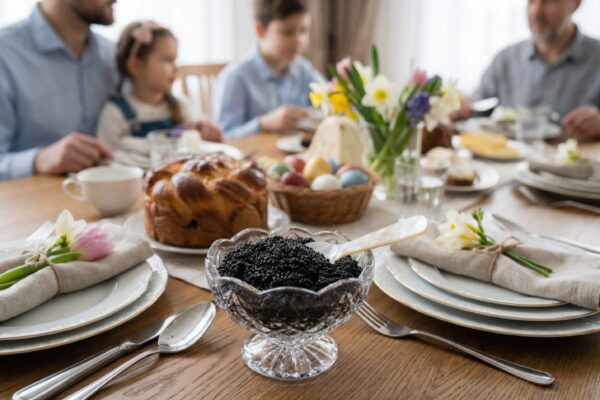


Knowing whether premium black caviar is truly fresh is one of the most important skills for anyone who takes fine roe seriously. At first glance, all tins may look similar. Yet freshness reveals itself through clear, measurable signs that any careful observer can detect.
Fresh black caviar carries a delicate balance of appearance, aroma, texture, and flavor. Each of these qualities degrades in a predictable pattern once conditions fall short. Understanding that pattern turns uncertainty into confidence when evaluating any tin of sturgeon roe.
The stakes are real. Serving spoiled or aging caviar wastes a luxury product and risks an unpleasant experience. A systematic approach, covering sight, smell, taste, and storage history, ensures a reliable assessment before the first bite.
What does truly fresh black caviar look like?
Visual inspection is the first and fastest way to judge sturgeon roe quality. Freshness leaves visible marks on the pearls, the tin, and the uniformity of the product inside. Before any smell or taste test, a close look at these three factors answers many questions.
Pearl appearance: color, gloss, and surface film
Fresh caviar pearls carry a consistent, glossy surface that reflects light evenly. This gloss comes from the egg membrane being fully intact and undamaged. When freshness fades, the surface turns matte, and a dull, hazy film forms over the eggs.
Color consistency matters equally. Each black caviar pearl should hold the same shade from egg to egg, whether deep black, dark gray, or rich brown depending on species. Any patches of unusual discoloration, greying, or uneven tone signal structural breakdown and age.
A translucent quality in the egg, where the inner structure is subtly visible, is a positive sign of freshness. Eggs that appear opaque or whitish have often experienced temperature fluctuations or prolonged storage, both of which damage the delicate membrane.
Tin condition: bloating, seal integrity, and discoloration
The tin itself communicates the condition of its contents. A swollen or bloated lid is one of the clearest signs of spoilage, as gas buildup from bacterial activity causes visible expansion. Such a tin must never be opened for tasting.
Seal integrity is equally critical. Any looseness in the lid, leaking liquid around the rim, or visible oxidation on the metal surface suggests oxygen exposure. Even brief contact with air accelerates the breakdown of the egg membrane and flavor compounds.
Warning signs on the tin:
- Lid condition: Any visible swelling or outward pressure is a definitive spoilage indicator
- Rim discoloration: Rust stains, dried liquid, or dark residue around the seal suggest past leakage
- Label damage: Moisture-warped labels often point to improper cold-chain storage during transit
After spotting any of these warning signs, further inspection becomes unnecessary. A compromised tin rarely contains a product worth consuming, regardless of how the caviar might otherwise appear.
Egg uniformity: size consistency and intact roe structure
Grade 1 premium sturgeon caviar requires uniform eggs across the entire tin. Each pearl should be the same size, round, plump, and separated cleanly from its neighbors. Clumping, flattened eggs, or merged masses indicate rough handling, freezing damage, or advanced age.
Separation quality reflects both processing care and freshness at harvest. When processors use proper separation equipment, only structurally sound eggs survive intact. Eggs that collapse during separation were already soft, which typically means they were harvested past optimal maturity or stored poorly.
Run a mother-of-pearl spoon gently across the surface of freshly opened caviar. The pearls should shift individually and resist sticking. Any sticky, clumped, or overly moist surface signals that the egg membranes have begun to break down.
How smell and taste confirm caviar freshness at home
Sensory evaluation remains the most direct way to confirm caviar freshness at home. Visual checks narrow the field, but smell and taste deliver the final verdict. Each quality dimension from aroma to salt balance tells a specific story about the roe’s condition.
Clean marine aroma and the warning signs of ammonia or sulfur
Fresh caviar carries a mild, clean scent reminiscent of the sea. Research confirms that good-quality roe presents mild nutty, creamy, and lightly saline odor attributes as the dominant characteristics. Any deviation from this profile signals spoilage or poor processing.
Ammonia and sulfur odors are the clearest red flags. A pungent smell of rotten fish, rancid fat, or fermentation indicates that bacterial activity has progressed. Even a faint metallic or sour note warrants caution, as these often appear before a product becomes visibly spoiled.
Common aroma indicators to assess:
- Clean ocean scent: Mild, briny, and slightly nutty, characteristic of fresh high-quality roe
- Ammonia or sulfur: Strong, unpleasant odors pointing directly to bacterial breakdown
- Rancid or oily smell: Suggests oxidation, typically caused by improper storage or temperature abuse
- Fermented or alcoholic notes: A sign of yeast activity or prolonged exposure to warmth
A single sniff close to the opened tin should be enough to make a judgment. Fresh caviar does not smell strongly of anything. The aroma should be gentle, almost hesitant, not assertive.
Flavor profile of Grade 1 sturgeon caviar: brine, butter, and umami
Grade 1 sturgeon caviar delivers a layered, balanced flavor. Scientific sensory research using trained panels confirms that the most valued taste attributes include sea-fresh flavor, fresh butter notes, and subtle umami depth. These qualities emerge together in properly harvested and processed roe.
Saltiness should complement the flavor, not dominate it. A well-processed caviar allows the natural richness of the egg to come forward first, with salt as a background note. Caviar that tastes primarily of salt has either been over-salted or has dried out from poor storage.
Bitterness, sourness, or a metallic aftertaste are clear signs of spoilage or low-grade processing. Research shows that fresh caviar has a clean, crisp initial taste followed by a lingering buttery finish. Any harsh or off-note lingering on the palate after swallowing suggests the product has deteriorated.
Texture on the palate: the pop test and signs of mushy roe
Texture is inseparable from freshness in high-quality black caviar. When pressed gently against the roof of the mouth, a fresh pearl should resist slightly, then burst cleanly. This “pop” releases the interior flavor compounds in a single, satisfying moment.
Mushy roe that collapses without resistance is a reliable sign of structural breakdown. Excess liquid in the tin, a sticky film on the pearls, or eggs that flatten rather than burst all confirm that the membrane integrity has failed. These changes can result from freezing, age, or temperature fluctuation during transport.
A trained sensory panel study published in academic food science research identified tactile firmness as one of the most significant drivers of consumer acceptance in caviar. In plain terms, soft or mushy roe consistently registers as lower quality among both experts and first-time tasters.
Salt balance: how malossol processing affects freshness perception
The word malossol translates to “little salt” in Russian and refers to a curing method using less than 5% salt by weight. This minimal processing preserves the natural taste, aroma, and texture of fresh malossol caviar without masking any off-notes that might indicate spoilage.
Malossol processing allows the true freshness of the roe to express itself fully. Because so little salt is used, any flaw in the base product becomes immediately detectable. A tin labeled malossol that still tastes overly salty or bitter signals either poor-quality roe or incorrect processing ratios.
When salt balance feels right, the brine enhances rather than hides the buttery, oceanic character of the egg. Fresh malossol caviar achieves this balance without effort. Anything that requires condiments or heavy accompaniment to become palatable is rarely a genuinely fresh product.
How storage conditions determine black caviar shelf life
Black caviar shelf life depends directly on temperature precision, packaging integrity, and processing method. Even the finest harvested roe degrades quickly under incorrect conditions. Understanding these factors helps prevent wasted product and unpleasant discoveries at the table.
Optimal temperature range: 28–32°F and cold-chain handling
The ideal storage temperature for non-pasteurized sturgeon roe sits between 28°F and 32°F (approximately minus 2°C to 0°C). Because caviar is salted, its freezing point falls below that of pure water, meaning it stays liquid and intact at temperatures that would freeze other products.
The coldest section of a refrigerator, typically the lower back shelf, comes closest to this range. Storing caviar on the door or in a warmer compartment shortens its viable life considerably. Placing the tin in a bowl of crushed ice inside the refrigerator is a reliable method to maintain consistent temperature.
Cold-chain integrity during shipping matters as much as home storage. Even brief exposure to room temperature during transit accelerates membrane breakdown. A tin that arrived warm, even for a short period, may already show early signs of spoilage by the time it is opened.
Opened tin guidelines: air exposure and the 48-hour rule
Once a tin is opened, oxygen becomes the primary threat to caviar freshness. Air exposure causes the egg membranes to dry out, the aroma to intensify unpleasantly, and the texture to become sticky. For malossol caviar, consumption within 48 hours of opening is the safest practice.
Some sources allow up to two to three days after opening when the tin is sealed tightly and stored at the correct temperature. However, quality degrades noticeably even within that window. The first serving from a freshly opened tin always reflects the truest flavor and texture the product has.
Pro tip: Place a small piece of plastic wrap directly against the surface of the caviar before pressing the lid back on. This limits air contact and slows the drying process between servings.
Fresh black caviar that truly meets premium quality standards at PremiumCaviar Shop
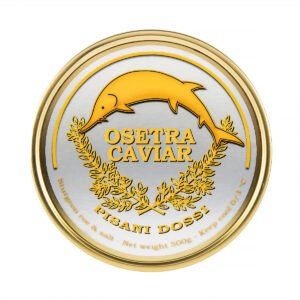
Knowing how to assess black caviar freshness is one skill. Finding a source that consistently meets those standards is another. PremiumCaviar is a specialist caviar shop focused on fresh, traceable sturgeon roe sourced from the Pisani Dossi fish farm in northern Italy. Every tin arrives without preservatives, processed only with salt using the malossol curing method.
The shop carries a curated range of fresh premium black caviar, all harvested at peak maturity and delivered in a controlled cold chain. The roe contains no additives, no artificial agents, and nothing beyond roe and salt, which is the clearest way to preserve the natural taste and quality of the egg.
Siberian sturgeon and osetra roe from a single traceable source
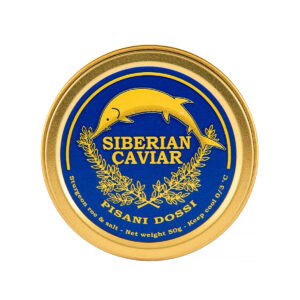
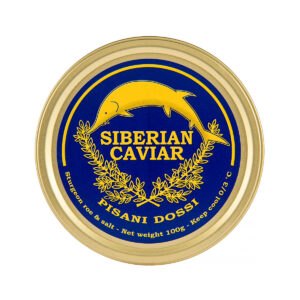
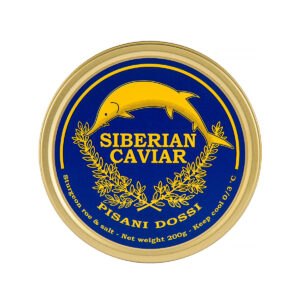
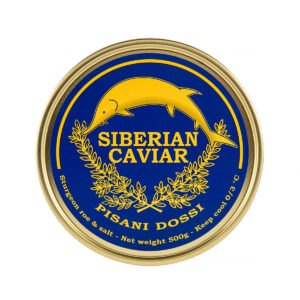
The Premium Black Caviar range covers two distinct sturgeon species, each with its own character. Premium Siberian Sturgeon Black Caviar comes from Acipenser baerii, harvested at nine years of maturity. The eggs measure between 2.6 and 3.2 mm, with a clean, elegant flavor and a light finish of hazelnut.
What defines Siberian sturgeon caviar from Pisani Dossi:
- Egg size: Fine to medium grains, 2.6 to 3.2 mm, depending on the selection
- Color range: Black and grey to black and brown tones
- Flavor notes: Pure, mild, and clean with a subtle nutty finish
- Processing: Malossol, 3 to 5% salt, no preservatives
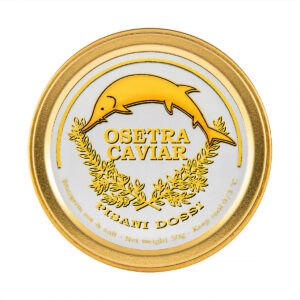
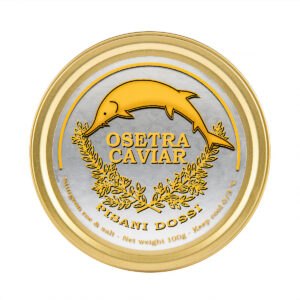
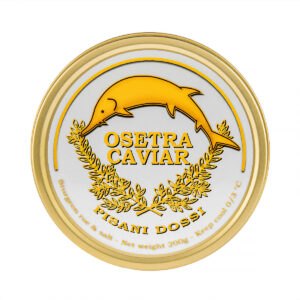
Premium Osetra Black Caviar is produced from a hybrid of Russian sturgeon Acipenser gueldenstaedtii and Siberian sturgeon. The eggs range from pearl grey to bronze and amber in color, with a fuller, more complex flavor than Siberian roe. This species is regarded among the most respected in sturgeon caviar grading worldwide.
Check products in Premium Siberian Sturgeon Black Caviar at PremiumCaviar
Why freshness and client trust matter at PremiumCaviar
Fresh caviar, by nature, demands a short and reliable cold chain from harvest to delivery. PremiumCaviar imports directly from Pisani Dossi and delivers across Switzerland with speed as a core part of its model. Tins are available in 50g, 100g, 200g, and 500g sizes, suited for both personal tasting and larger occasions.
Verified client reviews confirm consistent satisfaction with product quality, responsive support, and fast delivery. These testimonials reflect a direct connection between careful sourcing, proper cold storage, and the final experience at the table.
For those who want to taste genuinely fresh sturgeon roe without compromise, the PremiumCaviar range is a reliable place to start. Contact the team directly for personal consultation, help selecting the right tin size, or any question about sourcing and freshness standards.
Check products in Premium Osetra Black Caviar at PremiumCaviar
What distinguishes authentic premium caviar from low-quality roe
Sturgeon caviar types
Recognizing authentic premium caviar requires familiarity with species-specific characteristics and formal grading standards. Not all black roe is equal, and the differences between species reveal themselves clearly in color, size, and flavor. Grading adds a structured layer to this assessment.
Species-specific color differences in beluga, osetra, and sevruga
The three most recognized sturgeon caviar species each produce roe with distinct visual characteristics. Beluga eggs are the largest, appearing in shades from pale gray to silvery black, with a characteristically soft, buttery flavor. Osetra eggs range from golden amber to deep brown, with a nutty, complex taste that varies by the sturgeon’s age and diet.
Sevruga produces the smallest eggs of the three. Its color falls in the dark gray to near-black range, and its flavor is notably bolder and saltier than either beluga or osetra. These differences mean that color alone cannot indicate quality without knowing the species first.
| Species | Egg Size | Color Range | Flavor Profile |
|---|---|---|---|
| Beluga | Large (up to 3.5 mm) | Pale gray to silvery black | Soft, buttery, creamy |
| Osetra | Medium | Golden amber to dark brown | Nutty, complex, earthy |
| Sevruga | Small | Dark gray to black | Bold, briny, intense |
Knowing the species provides the baseline for color expectations. A tin labeled beluga should never contain uniformly jet-black eggs, as that shade belongs to sevruga. Mismatched color and species labeling is a reliable indicator of mislabeled or substituted product.
Grading standards: Grade 1 freshness markers for sturgeon caviar
Grade 1 caviar represents the highest classification within any formal grading system. The criteria include large, firm, and uniform eggs with consistent gloss, a clean flavor profile, and ideal maturity at harvest. All these attributes connect directly to freshness, since only properly handled and timely processed roe can achieve them.
Firmness is the single most graded physical attribute. Graders apply gentle compression to a small sample to assess elasticity and resistance. Grade 1 roe maintains its shape under pressure before releasing cleanly. Grade 2 roe, while still acceptable, may show softer texture, less uniform sizing, or a slightly less vibrant aroma.
Grade 1 freshness markers to look for:
-
Firm, intact pearls that separate cleanly without sticking
-
Consistent gloss across every egg in the tin
-
Clean, sea-fresh aroma with no sour or ammonia notes
-
Uniform color appropriate to the declared species
-
Crisp pop on the palate followed by a clean, buttery finish
Maturity at harvest also determines grade. Osetra sturgeon, for example, reaches optimal roe quality between 12 and 15 years of age. Eggs from younger fish lack flavor complexity, while those from older fish may develop softer membranes and a less vibrant taste.
Pro tip: When comparing two tins side by side, always open and evaluate the smaller tin first. Smaller volumes warm up faster after opening, making any freshness differences more apparent in aroma and texture immediately.
FAQ: Frequently Asked Questions
How can the smell of black caviar confirm whether it is still fresh?
Aroma is the fastest and most direct indicator of caviar freshness. A tin of high-quality sturgeon roe carries a mild, clean scent that is lightly briny and faintly oceanic. The smell should never be sharp, aggressive, or pungent.
When fresh black caviar begins to spoil, its proteins break down. This breakdown produces sulfur, ammonia, or sour, fermented odors. Any one of these scents signals bacterial activity caused by temperature abuse or oxygen exposure. A tin with off-odors must not be tasted, regardless of its appearance.
What visual signs indicate that black caviar has gone bad?
Visual inspection reveals several reliable signs of deterioration. Fresh black sturgeon caviar carries a consistent gloss on each pearl. When eggs turn dull, develop a milky or hazy surface film, or show uneven discoloration, roe quality has declined.
Clumped or flattened eggs are another signal of structural breakdown. Individual pearls should separate cleanly without sticking together. A bloated or swollen tin lid is the most serious visual warning, as gas pressure inside confirms active bacterial spoilage. Such a tin must be discarded without opening.
What is the correct way to store black caviar to preserve its freshness?
Black caviar storage requires a precise temperature range of 28°F to 32°F (minus 2°C to 0°C). This narrow window sits just above freezing, which slows bacterial growth without damaging the delicate egg membrane structure. The coldest section of the refrigerator, away from the door, suits this best. Placing the tin in a bowl of crushed ice inside the fridge maintains a steadier temperature.
Once a tin is opened, air exposure becomes the primary threat. Oxygen dries out the pearls, intensifies the smell, and turns the texture sticky within hours. Consumption within 48 hours after opening preserves the best flavor and texture. Pressing a layer of plastic wrap directly against the caviar surface before resealing reduces air contact between servings.
How does malossol processing affect the freshness and taste of black caviar?
Malossol caviar uses less than 5% salt by weight during curing. This minimal salting method preserves the natural taste and roe texture of fresh sturgeon eggs without masking any underlying flaws. Because so little salt is present, any off-notes from poor-quality roe become detectable immediately on the palate.
The correct salt balance in malossol roe allows the natural buttery, oceanic character of the egg to come forward cleanly. Salt acts as a background note rather than the dominant taste. A tin labeled malossol that tastes aggressively salty or leaves a bitter finish points to incorrect processing ratios or roe that was already past its best condition at the time of curing.
Conclusion
Assessing premium black caviar freshness is a skill built on four interconnected pillars: visual inspection, sensory evaluation, storage awareness, and species knowledge. Each pillar reinforces the others. A glossy, firm pearl that passes the pop test and carries a clean marine aroma represents a product at its best, while any single failing sign is reason enough for caution.
Storage temperature, tin condition, and processing method directly shape what lands on the plate. Fresh sturgeon roe stored correctly at 28–32°F, consumed promptly after opening, and processed using the malossol method preserves all the qualities that define a Grade 1 product. Skipping any link in that chain compromises the experience at every stage.
Ultimately, the difference between remarkable and disappointing caviar rarely comes down to the species or origin alone. It comes down to freshness. Recognizing the precise markers of quality in black caviar roe transforms a luxury purchase into a genuinely informed decision, one that rewards attention to detail every single time.
Sources:
- https://en.wikipedia.org/wiki/Caviar
- https://pubmed.ncbi.nlm.nih.gov/25392985/
- https://pubmed.ncbi.nlm.nih.gov/40791883/
- https://pubmed.ncbi.nlm.nih.gov/41406746/
- https://pmc.ncbi.nlm.nih.gov/articles/PMC12648089/
- https://pmc.ncbi.nlm.nih.gov/articles/PMC12509112/
- https://pmc.ncbi.nlm.nih.gov/articles/PMC12336675/
- https://www.tandfonline.com/doi/full/10.1080/10942912.2025.2589574
- https://www.sciencedirect.com/science/article/abs/pii/S0924224425000445
- https://www.sciencedirect.com/science/article/pii/S2590157524005765