
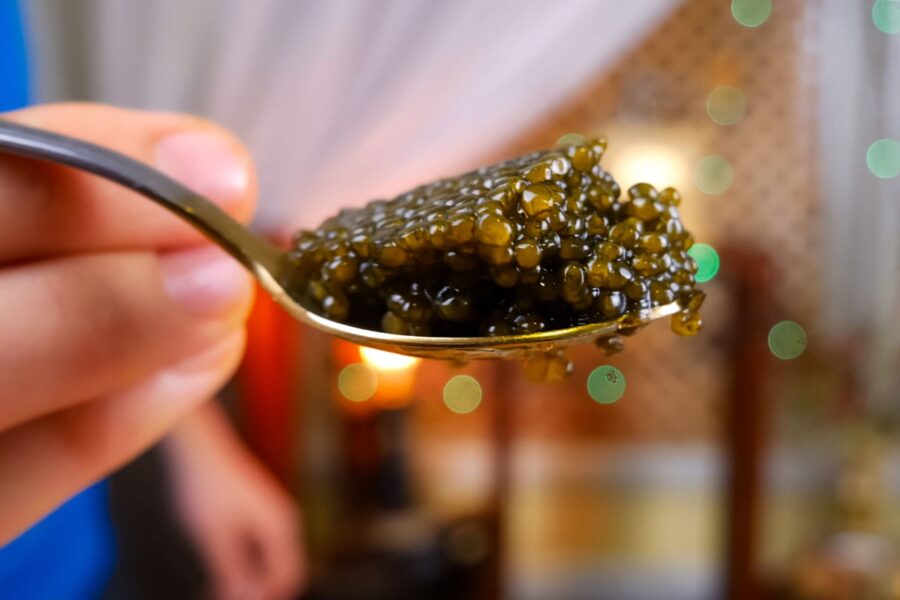
The shimmering beads of osetra caviar display a natural spectrum that ranges from deep brown to luminous golden amber. Each shade tells a story about the sturgeon’s age, diet, and living conditions. The color of caviar serves as one of many indicators that experts examine when grading this delicacy. Understanding these visual cues helps connoisseurs make informed decisions when selecting top-tier products.
Color alone cannot determine quality, yet it remains a vital factor in caviar assessment. The relationship between hue and grade proves more complex than most people realize. Lighter golden eggs often fetch higher demand, but darker varieties can be just as refined when harvested from mature sturgeon. The most reliable evaluation combines visual inspection with texture testing and taste analysis.
The caviar industry has long debated whether lighter shades truly indicate superior quality. Modern grading systems now recognize that osetra quality depends on multiple factors beyond appearance. Firmness, flavor profile, and bead integrity play equally important roles. This article examines how color functions within this broader quality framework and what different shades reveal about the product.
The complete color spectrum found in authentic osetra caviar
Authentic osetra caviar displays a natural range that spans from dark brown to golden amber. The eggs can show variations even within a single tin. These differences stem from biological factors rather than processing techniques. The color spectrum reflects the sturgeon’s genetics, environment, and maturity level.
Understanding the range from dark brown to golden amber hues
Dark brown osetra appears almost black under certain lighting conditions. This deeper coloration comes from younger sturgeon or those living in specific habitats. The eggs maintain a glossy sheen that indicates freshness and proper handling. Medium brown shades represent the most common variety available commercially.
Golden amber osetra stands as the rarest form of this caviar type. These luminous beads develop only in select mature sturgeon. The golden hue does not indicate artificial enhancement when paired with proper texture. Each shade within this range offers distinct taste characteristics that appeal to different preferences.
How sturgeon age affects natural egg coloration
Older sturgeon produce eggs with lighter coloration and richer flavor. The aging process allows sturgeon to develop more complex biochemistry. This maturation creates the coveted golden hues that collectors seek. Sturgeon between 12 and 15 years old yield eggs at peak coloration.
The color deepens as sturgeon mature beyond certain ages. Younger fish generate darker eggs with simpler flavor profiles. The transition from dark to light occurs gradually over multiple spawning cycles. Each harvest reflects the specific age and health status of the source sturgeon.
Age indicators in osetra coloration:
- Younger sturgeon (8-10 years): Dark brown to black eggs with firm texture
- Mid-age sturgeon (11-13 years): Medium brown beads with balanced flavor
- Mature sturgeon (14-16 years): Light brown to amber eggs with buttery notes
- Older sturgeon (17+ years): Golden amber beads with rich complexity
Buyers who understand these age-related color patterns can make more informed purchasing decisions. The knowledge helps distinguish between naturally light eggs from mature sturgeon and artificially enhanced products. Producers track individual sturgeon ages to predict harvest timing for desired color ranges. This age documentation allows farms to plan their color distribution across different market segments. The biological timeline cannot be rushed, which explains why golden varieties remain scarce compared to darker options. Recognizing that lighter shades come from years of careful sturgeon husbandry adds context to market valuations.
Regional variations that influence color characteristics
Geography plays a role in determining caviar color through water chemistry and food sources. Sturgeon raised in different regions develop subtle color variations. The Caspian Sea historically produced distinct color profiles compared to modern aquaculture. Water temperature and mineral content affect pigmentation development in sturgeon eggs.
Farm-raised sturgeon can match wild varieties when conditions are carefully controlled. Greek aquaculture operations produce consistent golden amber varieties. The controlled environment allows farmers to select for specific color traits. Regional differences have become less pronounced as farming techniques have advanced.
Seasonal factors that create subtle shade differences
Spawning season timing affects the final color of harvested eggs. Sturgeon harvested in spring may show different hues than fall catches. Temperature fluctuations during egg development influence pigmentation. These seasonal shifts create minor variations within the same sturgeon population.
The sturgeon’s diet varies seasonally and impacts egg coloration. Natural food sources change throughout the year in both wild and farmed settings. These dietary shifts produce subtle differences in the final product. Experienced graders can sometimes identify harvest timing through careful color analysis.
Golden osetra versus darker varieties in quality assessment
Golden osetra commands attention in the luxury market for its scarcity and appearance. The comparison between light and dark varieties reveals important grading principles. Both color categories can represent top-grade caviar when other quality factors align. The distinction lies more in rarity than inherent superiority.
Why lighter colored eggs command premium prices
Golden osetra reaches higher market values due to limited availability. Only a small percentage of mature sturgeon develop this coloration. The rarity factor drives demand among collectors and connoisseurs. Lighter eggs from older sturgeon require more time and resources to produce.
The visual appeal of golden beads adds to their market position. The luminous appearance creates an impression of luxury and refinement. Marketing has reinforced the association between light color and high quality. Supply constraints keep golden varieties scarce compared to darker alternatives.
Taste profile differences between color grades
Golden osetra delivers a buttery, nutty flavor with subtle sweetness. The taste proves richer and more complex than darker varieties. This depth comes from the mature sturgeon’s developed biochemistry. The eggs release layered flavors that evolve on the palate.
Darker osetra offers a more pronounced briny character with firm texture. The taste profile tends toward clean, straightforward notes. These eggs provide a satisfying pop when eaten. The flavor intensity differs but does not indicate lower quality when properly graded.
Flavor comparison by color:
| Color Range | Flavor Profile | Texture | Salt Intensity |
|---|---|---|---|
| Dark brown | Briny, clean | Very firm | Medium-high |
| Medium brown | Balanced, mild | Firm | Medium |
| Light brown | Nutty, creamy | Medium-firm | Low-medium |
| Golden amber | Buttery, complex | Medium | Low |
The choice between color grades depends more on personal taste preferences than objective quality rankings. Some connoisseurs prefer the bold, clean taste of darker varieties for their direct flavor impact. Others favor the subtle complexity found in lighter shades that unfold gradually during tasting. Chefs select different colors based on specific culinary applications and desired flavor intensity. The medium brown range appeals to those seeking a balanced introduction to osetra caviar. First-time buyers might start with this middle category before exploring the spectrum’s extremes. Pairing decisions also shift based on color, with lighter varieties complementing champagne while darker types match vodka traditions.
The rarity factor behind golden osetra valuation
Golden osetra represents less than 10% of total production in most operations. The genetic factors that produce this coloration occur unpredictably. Even mature sturgeon do not guarantee golden eggs. This unpredictability maintains the rarity that supports premium positioning.
The selection process further limits supply of golden varieties. Producers carefully sort eggs to create uniform tins of golden beads. This sorting requires more labor and generates less yield per harvest. The combined factors of natural scarcity and processing demands justify the market differential.
Pro tip: Request a taste sample before purchasing golden osetra to ensure the flavor profile matches personal preferences, as lighter color does not automatically mean better taste for every palate.
Natural color indicators versus artificial enhancement techniques
Authentic caviar displays natural color variations that reflect biological origins. Artificial enhancement techniques exist in lower-quality products. Learning to identify these manipulations protects consumers from inferior goods. Natural variations show predictable patterns that differ from dye applications.
Identifying dyes and colorants used in inferior products
Some producers add colorants to fish roe to mimic sturgeon caviar. These artificial dyes create uniform colors that lack natural depth. The eggs may appear unnaturally bright or consistent. Dyed products often use non-sturgeon roe as a base material.
Authentic osetra shows slight color variations between individual eggs. This natural inconsistency confirms biological origin. Dyed products display perfect uniformity that appears artificial. The glossy sheen on real caviar differs from the flat appearance of enhanced roe.
Detection methods for artificial coloring:
- Rinse a few eggs in cold water and check for color bleeding
- Examine individual beads for perfectly uniform coloring
- Look for natural variation in shade between eggs
- Check for artificial brightness that seems too consistent
- Verify the source species matches true sturgeon varieties
Reputable sellers provide documentation about sturgeon species and harvest details to verify authenticity. This transparency helps buyers avoid artificially enhanced products that compromise the caviar experience. The market for fake caviar has grown as demand increases for genuine sturgeon roe. Consumers lose money and miss the authentic taste when purchasing dyed alternatives. Regulatory standards in many countries now require clear labeling of fish species and processing methods. Reading labels carefully and asking questions about sourcing protects against fraudulent products. Trusted retailers maintain relationships with certified farms that follow strict quality protocols. The extra cost of authentic caviar reflects genuine sturgeon cultivation rather than cheap imitation tactics.
How processing methods alter the original egg color
Salt content affects the final appearance of caviar beads. Higher salt levels can darken the natural color slightly. The curing time influences how colors develop after harvest. Traditional malossol methods preserve natural hues better than heavy salting.
Temperature during processing impacts color stability. Rapid cooling helps maintain the original shade. Improper handling can cause color shifts that mask natural characteristics. Professional producers control every step to preserve authentic coloration.
Legitimate color variations within the same tin
A single tin of osetra caviar may contain beads with slight color differences. This variation proves authenticity rather than indicating defects. The same sturgeon can produce eggs with minor shade variations. These differences reflect the natural biology of egg development.
Graders accept moderate variation within a single grade category. The eggs should fall within a defined color range for their classification. Too much variation might indicate mixing of different quality levels. Reputable producers maintain consistency while accepting natural variance.
Pro tip: Legitimate color variation in premium caviar shows as subtle gradations rather than stark differences, with all eggs maintaining similar glossiness and sheen.
Premium fresh malossol black caviar at PremiumCaviar Shop
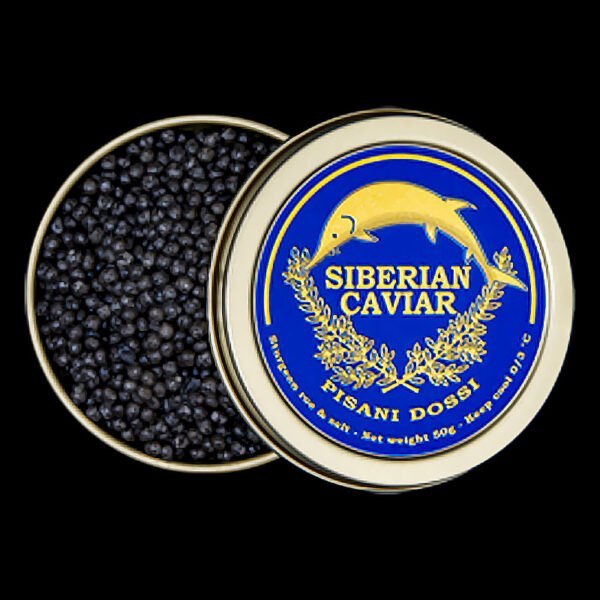
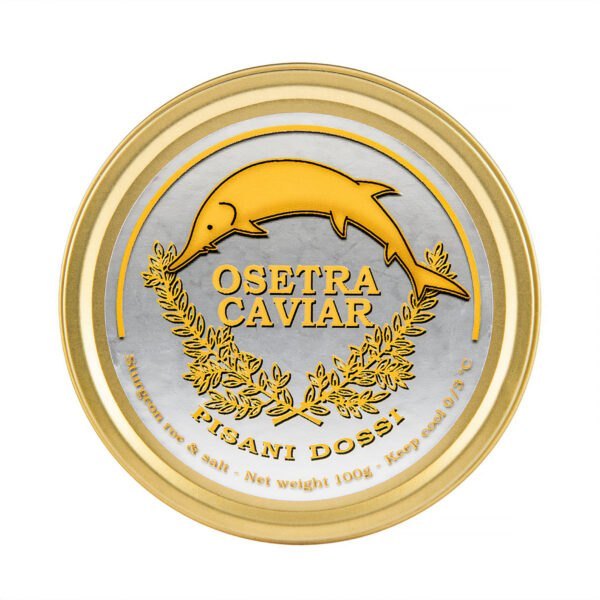
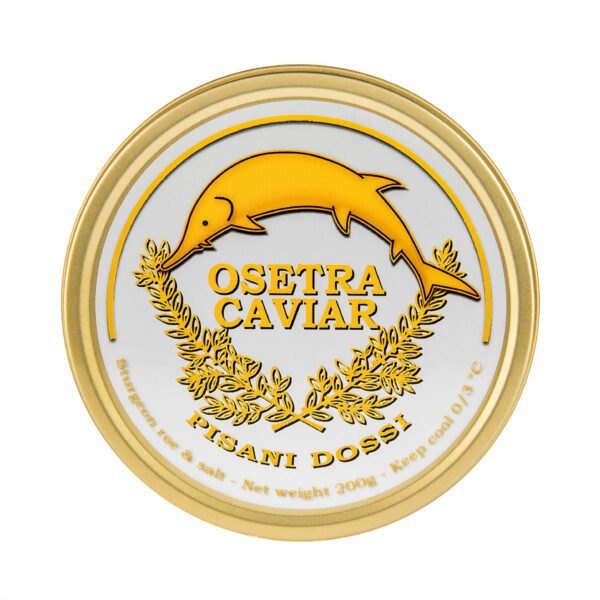
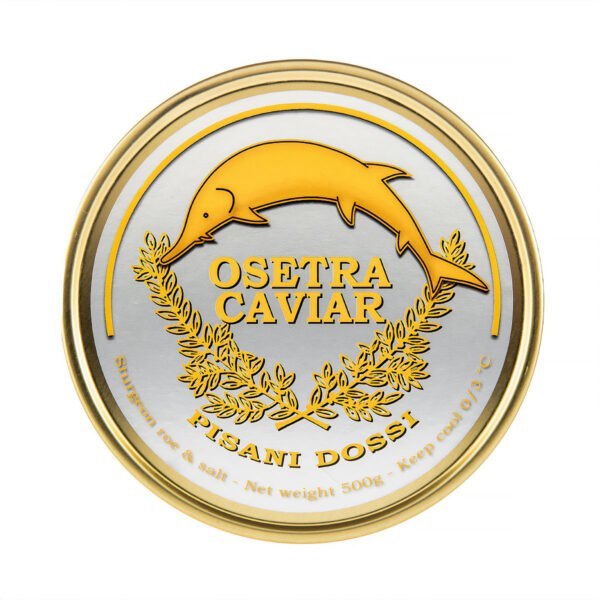
Understanding color indicators in osetra caviar helps buyers recognize true quality when selecting premium products. PremiumCaviar Shop specializes in fresh malossol black caviar prepared with minimal salt content. The traditional method preserves natural flavors and allows the authentic color spectrum to remain visible. Each tin contains only sturgeon roe and salt, maintaining the original taste characteristics that define exceptional caviar.
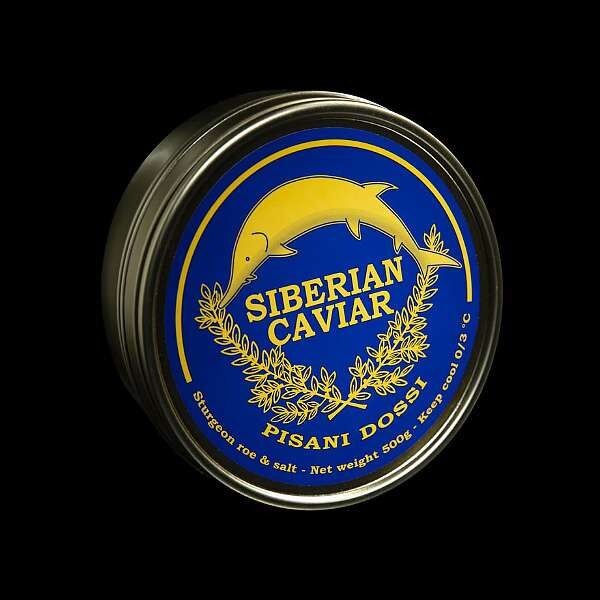
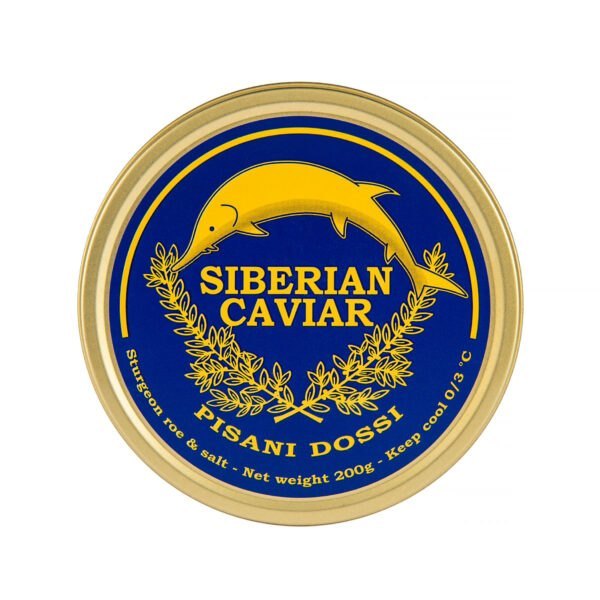
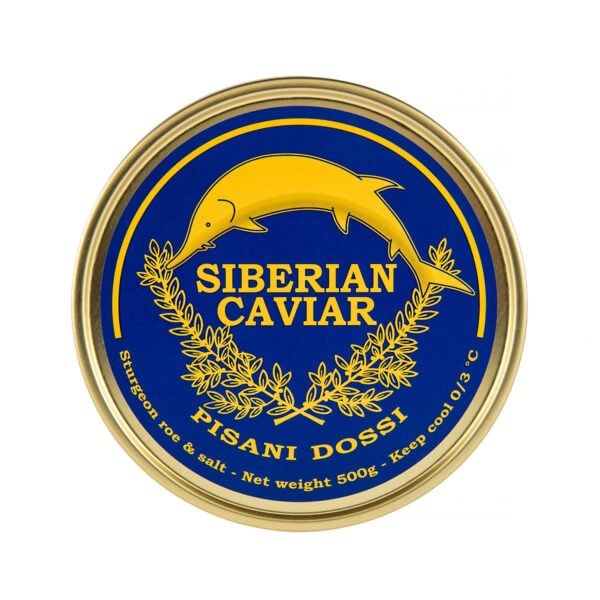
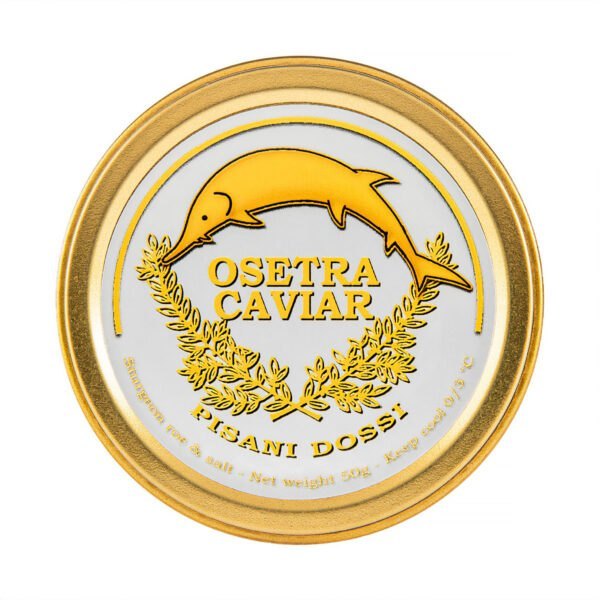
The collection features both Siberian sturgeon and osetra varieties with natural color variations. These differences reflect the biological factors discussed throughout this article. The proper preservation methods ensure that the glossy sheen and vibrant hues remain intact from harvest to delivery.
Authentic Color Presentation in Fresh Caviar
Fresh malossol preparation allows buyers to see the true color of each variety. Siberian sturgeon caviar displays consistent dark beads with firm texture. Osetra caviar selections show the natural range from medium brown to golden amber shades. The minimal salt content lets the genuine coloration shine through without artificial enhancement.
The fine-grained eggs measure between 2.6 and 3.0 millimeters in diameter. This size category delivers balanced texture and flavor release. The color ranges span from black grey to brown tones depending on sturgeon maturity. Each tin represents authentic grading standards without colorants or preservatives.


Quality Standards That Preserve Natural Characteristics
The malossol method uses less than five percent salt to maintain freshness. This gentle curing technique protects the delicate membrane that creates glossy appearance. Temperature control during storage keeps the original color intact. The careful handling ensures that visual quality indicators remain reliable.
Expert Selection and Direct Delivery
Professional graders evaluate color, firmness, and aroma before packaging. The sustainable sourcing practices ensure consistent quality across all varieties. Direct delivery maintains optimal freshness from farm to table.
Explore the selection at PremiumCaviar Shop to experience authentic malossol caviar with natural color variations. Contact the team for personalized guidance on selecting varieties that match specific taste preferences and quality requirements.
Common misconceptions about color and quality relationships
Many buyers mistakenly believe darker caviar indicates lower quality. This myth persists despite evidence showing excellent dark varieties exist. The confusion stems from marketing emphasis on rare golden types. Understanding the truth behind these misconceptions leads to better purchasing decisions.
Debunking the myth that darker always means lower grade
Dark brown osetra can achieve Grade 1 classification when other factors align. The grading system evaluates firmness, size, and flavor alongside color. Many expert tasters prefer medium-toned varieties for their balanced profiles. Color serves as one indicator within a broader assessment framework.
The misconception arose from the rarity of golden eggs creating market premiums. Marketing reinforced the idea that lighter equals better. This oversimplification ignores the complexity of caviar grading. Dark osetra from mature sturgeon can match golden varieties in all quality metrics except color.
Understanding when color reflects age rather than quality
Lighter colors typically indicate older sturgeon, but age alone does not guarantee quality. The conditions during egg development matter more than the sturgeon’s years. A poorly maintained older sturgeon may produce inferior eggs despite light color. Younger sturgeon in prime condition can yield superior dark caviar.
The color-age relationship provides general guidance rather than absolute rules. Genetics play a role independent of age factors. Some sturgeon lineages produce lighter eggs earlier in life. The interaction between genetics, environment, and age creates the final coloration.
Why some experts prefer medium toned osetra varieties
Medium brown osetra offers balanced flavor without extremes. The eggs provide firm texture with moderate brininess. This middle range appeals to those seeking a classic caviar experience. The more accessible selection allows regular enjoyment without premium costs.
Professional chefs often choose medium tones for their versatility. The balanced profile works well in both standalone service and recipe applications. The firm texture holds up better in preparation than softer golden varieties. The flavor intensity suits a wider range of dishes and pairings.
Cultural preferences that influence color perception globally
Different regions show distinct preferences for caviar colors. Some markets prize the visual drama of golden beads. Others value the traditional dark appearance associated with classic sturgeon caviar. These cultural factors influence pricing and availability in various markets.
European consumers often seek lighter varieties for special occasions. Asian markets may show different color preferences based on local traditions. North American buyers have become more educated about color’s limited role in quality. The global market reflects diverse aesthetic and culinary values.
Pro tip: Focus on bead firmness and flavor clarity rather than color when selecting caviar for personal enjoyment, as taste should guide the choice more than appearance.
Evaluating quality beyond visual color assessment alone
Color assessment forms just one component of proper caviar grading. Professional evaluators examine multiple sensory factors before classification. The most accurate quality determination combines visual, tactile, and taste elements. Relying solely on appearance leads to incomplete judgments.
The importance of bead firmness alongside color evaluation
Firmness indicates proper handling and optimal harvest timing. Grade 1 caviar maintains shape under gentle pressure. The eggs should feel plump without being hard or mushy. Firmness affects both texture and flavor release during consumption.
The ideal texture delivers a satisfying pop followed by creamy release. Too-soft eggs indicate over-ripeness or processing issues. Overly hard beads suggest under-ripeness or excessive salt. The balance creates the signature caviar experience that defines quality grades.
Texture evaluation criteria:
- Shape retention: Eggs maintain round form when spread on plate
- Resilience: Beads bounce back gently when pressed with spoon
- Pop sensation: Eggs burst cleanly when pressed against palate
- Creaminess: Interior releases smoothly after initial pop
- Consistency: All eggs in tin show similar firmness levels
Professional graders perform tactile tests before assigning quality classifications to each caviar batch. The firmness check happens after visual color inspection but before taste evaluation. Room temperature affects perceived texture, so standardized testing occurs at specific temperatures. Buyers can request small samples to assess firmness before committing to larger purchases. The squeeze test between fingers reveals quality issues that color alone cannot detect. Caviar stored too long loses its characteristic firmness and develops mushiness. Fresh products demonstrate consistent resilience across all beads in the container. This physical assessment proves just as valuable as color analysis when determining true quality levels.
How aroma and taste trump appearance in quality determination
The scent of premium caviar should smell clean and oceanic without fishy notes. Any off odors indicate aging or improper storage. Fresh caviar releases subtle marine aromas when the tin opens. The smell provides immediate quality feedback before tasting.
Taste reveals the true grade more reliably than any visual cue. The flavor should be clean, complex, and free from bitterness. Premium osetra delivers layered notes that develop on the palate. The finish should be long and pleasant without harsh aftertaste.
Combining multiple sensory factors for accurate grading
Professional graders follow a systematic evaluation process. Visual inspection confirms color consistency and bead integrity. Tactile assessment checks firmness and separation. Aroma analysis detects any processing or storage issues.
The taste test provides the final quality confirmation. Graders evaluate salt balance, flavor complexity, and texture sensation. All factors must align within defined parameters for each grade level. This multi-sensory approach prevents misclassification based on single attributes.
Pro tip: When purchasing caviar, request information about harvest date and processing method along with color description, as these factors reveal more about quality than shade alone.
FAQ: Frequently Asked Questions
Can the color of osetra caviar fade or change over time?
The color of osetra caviar can shift during storage when conditions are not ideal. Fresh caviar maintains its vibrant hue when kept at proper temperatures between 28 and 32 degrees Fahrenheit. Extended exposure to light or fluctuating temperatures causes the beads to lose their natural brightness and develop a dull appearance. This color degradation signals declining freshness and compromised quality.
The transformation from glossy to matte finish indicates oxidation and moisture loss. Properly stored caviar retains its original shade for several weeks when unopened. Once opened, the eggs should be consumed within three days to preserve their color integrity. Darker varieties show less visible fading than golden types, but both experience quality decline when improperly handled.
Does bead size correlate with color in osetra caviar?
Bead size and color develop independently based on different biological factors. Mature sturgeon typically produce both larger eggs and lighter coloration, creating a perceived connection between these traits. The size depends on the sturgeon’s overall health and nutritional status during egg development. Color results from genetic factors and age-related biochemical changes within the fish.
Some mature sturgeon generate large dark beads, while others create smaller golden eggs. The grading system evaluates size and color as separate quality indicators. Premium caviar requires both large diameter and consistent coloration within the designated range. Neither trait alone determines grade classification. Texture and flavor profiles complete the assessment process alongside these physical characteristics.
How can buyers tell if osetra caviar has been artificially colored?
Artificially colored products display perfectly uniform hues across every single bead. Natural osetra shows subtle shade variations that reflect biological origin. The water rinse test reveals artificial dyes when eggs release color into the liquid. Authentic caviar maintains its original shade when gently washed with cold water. Dyed products create colored water or leave residue on white surfaces.
The glossy coating on natural eggs differs from the flat appearance of enhanced roe. Real caviar beads have depth and luminosity that artificial products cannot replicate. Each egg should have slight individual character rather than factory-perfect consistency. The membrane texture feels firm and smooth on genuine caviar, while dyed alternatives may feel sticky or coated.
Is golden osetra caviar always from older sturgeon?
Golden osetra typically comes from mature sturgeon between 14 and 20 years old. The age factor alone does not guarantee this rare coloration will develop. Genetic predisposition plays a role in which sturgeon produce golden eggs regardless of age. Some fish never develop light coloration even after reaching full maturity. Environmental factors during egg formation influence the final shade.
Younger sturgeon rarely produce golden beads, making age a general indicator rather than an absolute rule. The biochemical changes that create lighter pigmentation occur more frequently in older fish. Diet composition and water conditions interact with genetic factors to determine color outcomes. Farmers cannot predict which mature sturgeon will yield golden eggs until harvest.
What does a glossy versus dull appearance indicate about caviar quality?
A glossy sheen confirms proper handling and peak freshness in caviar beads. The natural coating reflects light and creates the characteristic luster associated with premium products. This shine results from intact egg membranes that have not been damaged during processing or storage. The translucent quality allows color depth to show through clearly.
Dull caviar indicates age, improper storage, or rough handling during production. The loss of sheen happens when membranes dry out or become compromised. Oily appearances suggest excessive coating added to mask quality issues. Fresh caviar should glisten naturally without appearing wet or greasy. The clarity and shine serve as immediate visual indicators before taste evaluation begins. These surface characteristics reveal storage conditions and processing quality at a glance.
Conclusion
The color of osetra caviar provides valuable insights into sturgeon age and potential flavor characteristics. The spectrum from dark brown to golden amber reflects natural biological processes rather than quality hierarchies. While lighter shades often indicate mature sturgeon, exceptional dark varieties exist at every quality level. The market premium for golden osetra stems from rarity rather than inherent superiority in taste or texture.
Accurate quality assessment requires examining multiple factors beyond visual appearance. Bead firmness, aroma, and taste provide more reliable indicators than color alone. The glossy sheen, consistent sizing, and clean flavor profile matter more than specific shades. Professional graders combine all sensory inputs to determine true quality levels. Understanding this comprehensive approach helps buyers make informed decisions based on actual quality rather than marketing perceptions.
The relationship between color and quality in osetra caviar proves more complex than simple visual assessment suggests. Each shade within the natural spectrum offers distinct characteristics that appeal to different preferences. The key lies in recognizing that color functions as one component within a broader evaluation framework. Whether choosing golden amber or dark brown varieties, attention to firmness, freshness, and flavor ensures a satisfying caviar experience that transcends appearance alone.