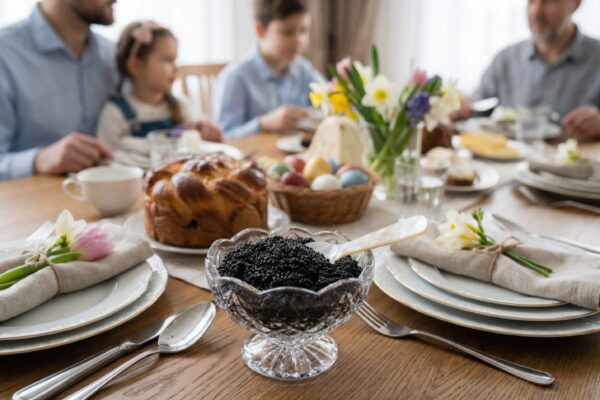

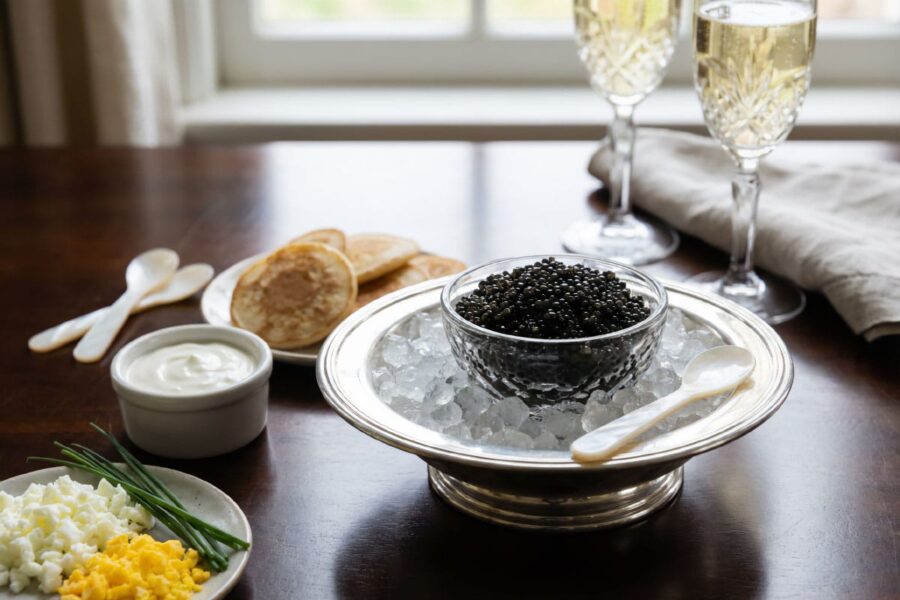
Serving osetra caviar ranks among the most refined hosting experiences available. This prized delicacy demands precise attention to detail. Yet countless hosts unknowingly compromise the tasting experience through common oversights.
The buttery texture and nutty notes of osetra caviar can vanish instantly with improper handling. Temperature fluctuations destroy delicate flavors. Wrong utensils impart metallic tastes. Poor presentation turns this culinary gem into a disappointing experience.
Understanding proper caviar service transforms an ordinary gathering into a memorable event. Each mistake affects flavor, texture, and guest satisfaction. Learning to avoid these pitfalls ensures every pearl maintains its intended character.
Timing and preparation mistakes that ruin the serving experience
Perfect timing separates mediocre caviar service from an exceptional one. Many hosts focus on the caviar itself but overlook critical timing elements. The preparation phase determines whether guests enjoy optimal flavor or a compromised product.
Poor planning creates rushed presentations. Stress affects hospitality. Guests sense disorganization when service falters.
Removing caviar from refrigeration too early before guests arrive
Exposing osetra caviar to room temperature before service ranks among the most damaging errors. The eggs begin warming within minutes. Warmth causes the roe to become oily and overpowering.
Caviar should remain at -2.2 to 1.1 degrees Celsius until the exact serving moment. Removing tins 30 minutes early seems helpful but destroys quality. The fat content in roe tightens when cold and liquefies when warm. This creates an unpleasant mouthfeel.
Cold storage must continue until plating begins. Ice beds should be prepared separately. The tin transfers directly from the refrigerator to the serving vessel.
Failing to inspect the product quality before presentation
Skipping quality checks before guests arrive creates embarrassing situations. Opening a tin at the table reveals problems too late. Fresh caviar displays specific characteristics that confirm proper condition.
Quality indicators include:
- Firm, whole eggs that maintain shape
- Glossy appearance without cloudiness
- Clean ocean scent without fishy odors
- Absence of liquid pooling in container
Inspecting caviar 15 minutes before service allows time for adjustments. Broken eggs indicate rough handling during shipping. Unusual smells suggest spoilage. Catching these issues early prevents serving compromised product.
Not preparing accompaniments in advance of service
Scrambling to gather blinis, crème fraîche, and serving tools during service time creates chaos. Traditional accompaniments need proper temperature and arrangement. Last-minute preparation looks unprofessional.
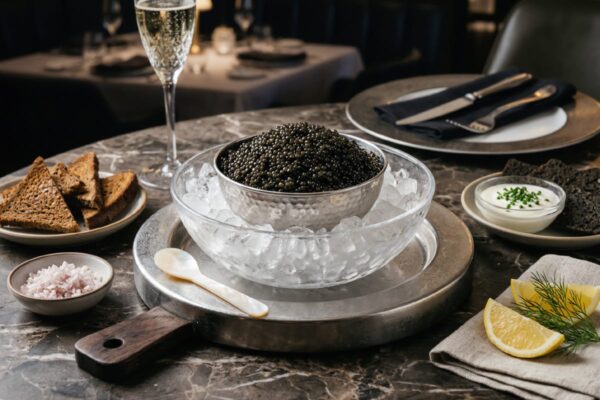
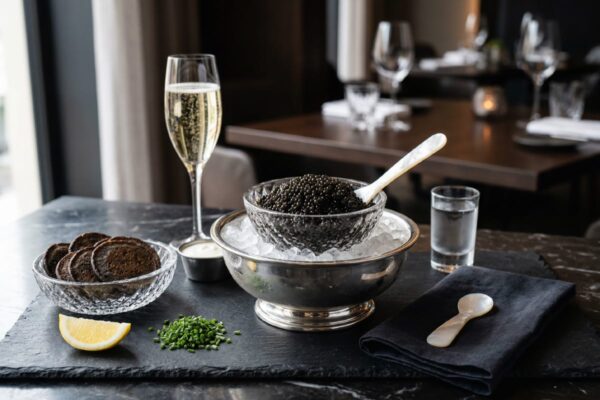
Classic pairings should be room temperature or slightly chilled. Blinis need gentle reheating. Toast points must stay crisp. Crème fraîche requires proper consistency. Setting up a complete service station beforehand maintains flow. Mother-of-pearl spoons should be cleaned and ready. Small serving dishes need proper positioning. Water or vodka for palate cleansing should be chilled.
Rushing the plating process and creating messy presentations
Hasty plating destroys the visual appeal of osetra caviar. Smeared edges and scattered eggs create poor first impressions. The delicate nature of roe demands careful handling.
Gentle transfer prevents egg breakage. Each spoonful should lift smoothly from the tin. Placing caviar requires precision. Garnishes need thoughtful arrangement rather than random scattering.
Taking time with each plate shows respect for the ingredient. Clean edges frame the presentation. Proper spacing allows accompaniments to shine individually.
Guest education and service protocol errors
Knowledge sharing transforms caviar service from intimidating to accessible. Many guests lack familiarity with proper caviar etiquette. Hosts who skip educational elements create uncomfortable situations.
Silent service leaves first-time consumers confused about proper techniques. Guests may feel embarrassed asking basic questions. This diminishes enjoyment and creates social awkwardness.
Neglecting to explain proper eating techniques to first-time consumers
New caviar enthusiasts need gentle guidance on traditional consumption methods. Explaining proper technique enhances their experience. Without direction, guests may make uncomfortable mistakes.
The back of the hand serves as the traditional tasting surface. Placing a small amount there prevents metallic interference. Body heat slightly warms the roe. The aroma releases before tasting.
Proper caviar should rest briefly on the tongue before chewing. This allows flavors to develop. Rushing destroys the nuanced experience. Explaining these steps takes mere seconds but transforms appreciation.
Providing insufficient guidance on traditional accompaniment options
Presenting accompaniments without explanation leaves guests guessing at proper combinations. Each pairing serves a specific purpose. Understanding enhances the tasting experience.
Traditional accompaniment functions:
- Blinis provide mild base without overwhelming delicate flavors
- Crème fraîche adds richness while maintaining simplicity
- Toast points create textural contrast
- Minced shallots cut through fatty richness
- Lemon wedges brighten heavier bites
Explaining why each element belongs on the table educates palates. Guests learn to build balanced bites. This knowledge transfers to future caviar experiences.
Failing to inform guests about the caviar grade and origin
Sharing details about the osetra caviar variety, origin, and characteristics shows hosting excellence. Guests appreciate learning about what they consume. This information turns tasting into an educational experience.
Osetra comes from Acipenser gueldenstaedtii sturgeon. The roe displays golden to dark brown hues. Flavors range from nutty to buttery with ocean minerality. Mentioning farming practices or wild origins adds context. Age of sturgeon affects egg size and intensity. These details create conversation and deepen appreciation.
Quality assessment oversights before bringing to the table
Visual and olfactory inspection protects guests from compromised product. Catching quality issues before service prevents embarrassing situations. Many hosts trust suppliers without verification.
Opening tins at the table without prior inspection risks disappointment. Quality problems become public failures. Pre-service checks take minutes but save events.
Ignoring unusual odors or off putting scents from the tin
Fresh osetra caviar smells like clean ocean water. Any deviation signals problems. Strong fishy odors indicate age or improper storage. Ammonia scents mean bacterial growth.
Opening tins in private allows discreet assessment. Holding the tin near the nose reveals true condition. Fresh product has a subtle briny scent. Overwhelming smells mean spoilage. Trusting the nose prevents serving bad caviar. Even expensive tins sometimes fail quality standards. Verifying before guests arrive protects reputation and health.
Serving caviar with broken or mushy eggs without inspection
Egg integrity indicates handling and storage quality. Whole, firm eggs signal proper care throughout the supply chain. Broken or mushy roe suggests rough treatment or temperature abuse. Gently stirring caviar with a proper spoon reveals condition. Eggs should separate easily without clumping. Firm texture means freshness. Mushiness indicates age or repeated freezing.
Poor egg structure ruins mouthfeel. The characteristic pop disappears with damaged roe. Visual inspection catches this before guests see the problem.
Missing signs of oxidation or discoloration on the surface
Surface appearance tells stories about storage conditions. Dull, dried edges indicate air exposure. Oxidation creates off flavors. Color changes signal chemical degradation. Fresh caviar displays uniform color throughout. The surface should match the depth. Lighter or darker patches mean inconsistent storage.
Checking for separation or liquid pooling reveals problems. Excessive brine at the bottom suggests broken eggs. Clear liquid indicates freshness loss.
Pro tip: Always open osetra caviar tins 10 minutes before guests arrive to verify quality, smell, and appearance under proper lighting. Keep the tin on ice during inspection to maintain safe temperature.
Portion size and quantity calculation errors
Serving appropriate amounts ensures guest satisfaction without waste. Caviar represents a significant investment. Planning prevents shortages or excessive leftovers.
Understanding proper portions per person maintains balance. Too little leaves guests wanting more. Excessive amounts overwhelm delicate palates.
Serving excessive amounts that overwhelm the palate
Osetra caviar delivers intense flavors that build with each bite. Large servings numb taste receptors. The delicate notes disappear under excessive salt and brine.
Standard serving sizes range from one to two ounces per guest. This allows proper appreciation without palate fatigue. Starting courses should feature smaller portions. Subsequent servings can increase based on guest response.
Caviar works best as an accent rather than a main dish. Small tastes preserve the special nature. Guests remember quality over quantity.
Providing insufficient caviar relative to the number of guests
Running out of caviar during service creates awkward moments. Guests notice unequal portions. The host appears unprepared or cheap.
Calculating needs requires counting attendees and planning course structure. Appetizer portions need one ounce per person minimum. Tasting events require more. Having 10 to 20 percent extra prevents shortages.
Ordering backup tins for large gatherings shows good planning. Unopened containers keep for weeks under proper refrigeration. Better to have surplus than disappoint guests.
| Service Type | Portion Per Guest | Total for 8 Guests |
|---|---|---|
| Appetizer course | 1 ounce | 8 ounces |
| Tasting event | 1.5 to 2 ounces | 12 to 16 ounces |
| Garnish or accent | 0.5 ounce | 4 ounces |
Seasonal availability affects purchasing decisions for major events planned months ahead. Some caviar varieties experience limited production during specific periods. Booking quantities in advance secures supply during peak entertaining seasons. Professional caterers often reserve caviar allocations before actual event dates. This proactive approach prevents last-minute scrambling when quality product becomes scarce. Building relationships with trusted suppliers ensures priority access during high demand periods.
Creating unbalanced ratios between caviar and accompaniments
Harmony between caviar and accompaniments requires careful proportion planning. Too many blinis and too little roe frustrate guests. Excess garnishes bury delicate flavors.
Each blini or toast point needs a proper caviar amount. A teaspoon per piece creates balance. Crème fraîche should complement rather than dominate. A thin layer suffices.
Planning accompaniment quantities based on caviar volume ensures harmony. Three blinis per ounce of caviar works well. This ratio prevents waste while maintaining proper balance.
Miscalculating the appropriate serving size per person
Different occasions demand different serving standards. Formal dinners require larger portions than cocktail parties. Understanding context prevents planning errors.
Appetizer courses at seated dinners need one to 1.5 ounces per guest. Cocktail receptions require less since multiple food options exist. Tasting events where caviar stars need two ounces minimum.
Guest familiarity with caviar affects planning. First-time consumers eat less than enthusiasts. Knowing the audience helps calculate accurate amounts.
Pro tip: Purchase 15 percent more osetra caviar than calculated need for events over six people to account for enthusiastic guests and prevent embarrassing shortages during service.
Premium fresh black caviar without preservatives at PremiumCaviar Shop
Selecting quality caviar requires understanding sourcing, processing methods, and storage conditions. PremiumCaviar specializes in fresh malossol black caviar prepared without preservatives or additives. This approach maintains natural flavors and textures that define authentic caviar experiences.
The shop focuses on sustainably farmed sturgeon varieties processed using traditional low salt techniques. Each batch undergoes careful quality control from farm to final packaging. Hand processing protects delicate egg structures and prevents damage during preparation.
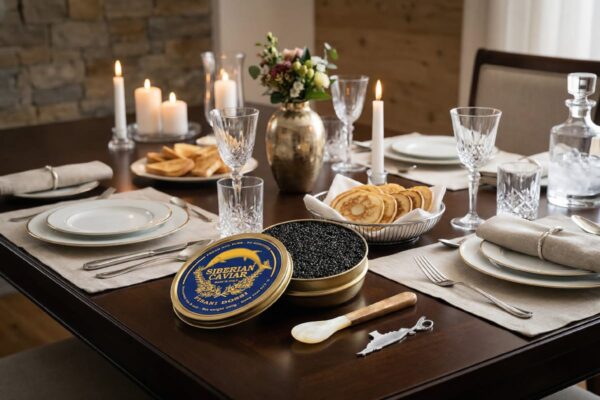
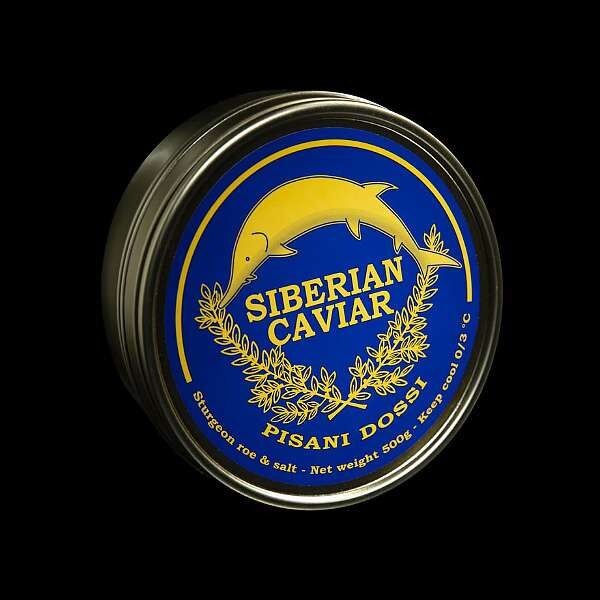
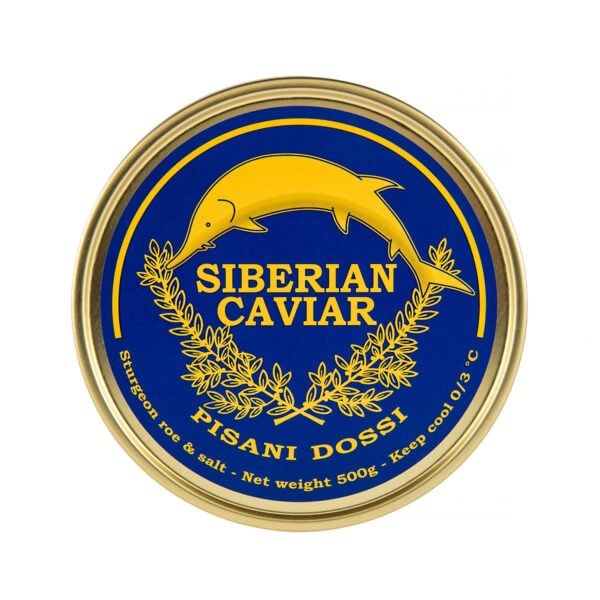
Siberian Sturgeon Black Caviar Selection
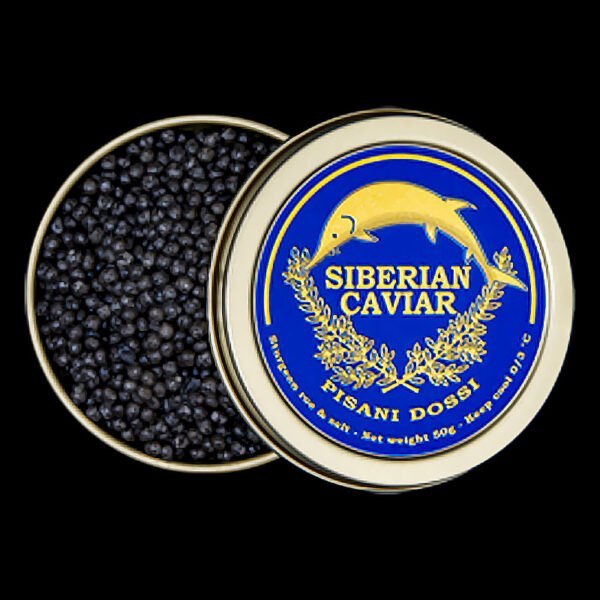
Siberian sturgeon caviar from Acipenser baerii delivers sophisticated taste profiles with mild initial notes. Subtle hazelnut undertones develop on the palate. Wild berry hints create balanced flavor experiences that linger pleasantly.
The eggs display colors ranging from dark brown to black with consistent grain sizes. Sustainable Italian aquaculture practices replicate natural habitats through controlled environmental conditions. This attention to breeding standards produces caviar with refined characteristics.


Premium Osetra Black Caviar Varieties
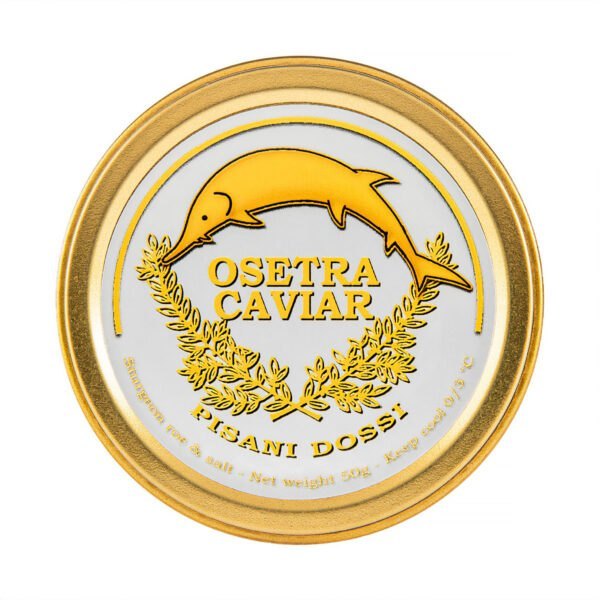
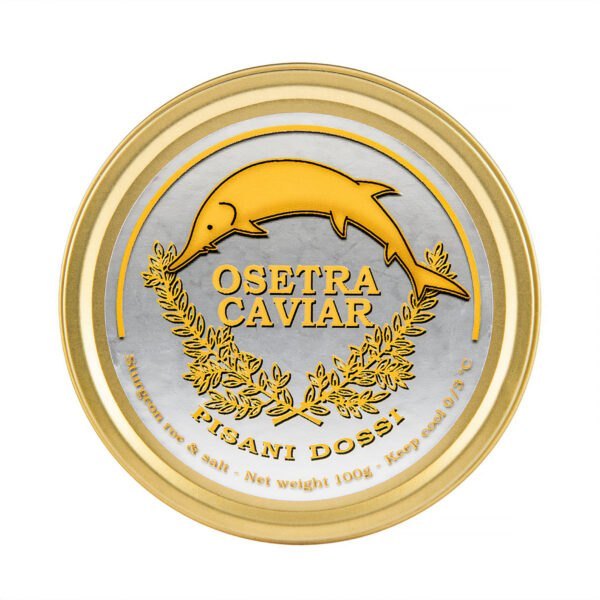
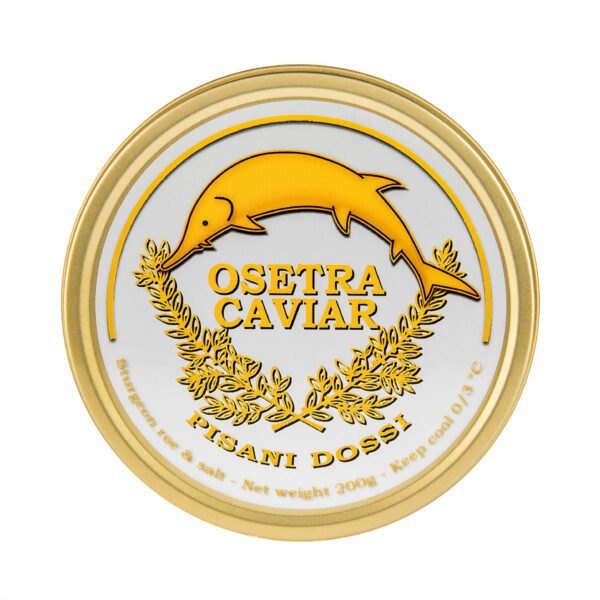
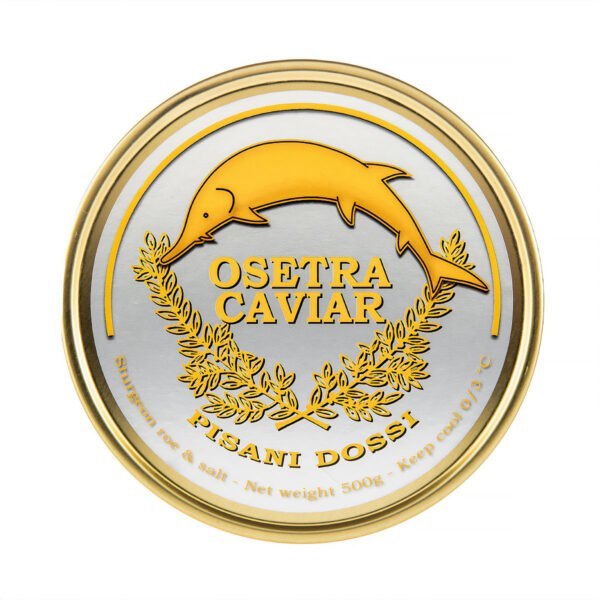
Osetra black caviar comes from hybrid sturgeon combining Russian Acipenser gueldenstaedtii with Siberian Acipenser baerii genetics. This crossbreeding creates unique flavor profiles with mild taste and slight walnut notes. Larger grain sizes ranging from 2.9 to 3.2 millimeters provide substantial mouthfeel.
Colors vary from pearl grey to bronze and amber shades. Each batch displays natural color variations that make every container distinctive. Production occurs mainly from October through March, creating seasonal availability.

Traditional Processing Without Preservatives
The malossol method uses minimal salt content to preserve natural egg flavors. Complete absence of artificial preservatives maintains product purity. Vacuum sealed packaging protects freshness during storage and transportation.
Fresh spring water conditioning creates optimal flavor development throughout processing stages. Individual batch tracking ensures complete traceability. This transparency builds confidence in product quality and sourcing standards.
Browse the complete selection at PremiumCaviar shop for detailed product information. Contact the support team for personalized consultation on caviar selection and proper serving techniques.
Environmental factors that compromise the serving conditions
The serving environment affects caviar quality as much as preparation techniques. Lighting, temperature, and ambient conditions shape guest experience. Many hosts overlook these external factors.
Dining space conditions either preserve or destroy delicate roe characteristics. Thoughtful environmental control maintains optimal caviar state throughout service.
Choosing dining spaces with improper lighting that affects appearance
Caviar presentation depends on proper lighting to showcase its visual appeal. Dim lighting hides the glossy sheen and color variations. Harsh overhead lights create unflattering shadows.
Natural daylight or warm ambient lighting works best for caviar service. The eggs should glisten and show their true color. Spotlighting the serving area draws attention.
Candlelight alone proves insufficient for appreciation. Guests cannot see egg quality or identify accompaniments properly. Supplemental lighting enhances the dining experience.
Serving in areas with strong competing aromas from other foods
Osetra caviar features subtle, nuanced flavors that strong odors overpower. Kitchen smells, heavy perfumes, or pungent foods mask delicate notes. The ocean minerality disappears under competing scents.
Problematic aromas that interfere with caviar service:
- Garlic and onion from adjacent dishes
- Strong cheese platters nearby
- Grilled meats with heavy seasonings
- Floral arrangements with intense perfumes
- Burning candles with artificial fragrances
Serving caviar first allows guests to appreciate flavors before other foods arrive. Separate spaces for different courses prevent aroma mixing. Well-ventilated areas disperse competing scents.
Exposing caviar to warm ambient temperatures during extended service
Extended exposure to room temperature destroys osetra caviar quality within 30 minutes. The roe becomes oily and unpleasant. Flavors turn fishy rather than briny.
Ice beds under serving vessels maintain proper temperature throughout service. Crushed ice works better than cubes for consistent contact. Replenishing ice every 20 minutes prevents warming.
Summer outdoor events require extra temperature vigilance. Shaded areas and frequent ice changes preserve quality. Indoor climate control should maintain 65 to 68 degrees for optimal service.
Pro tip: Create an ice collar around caviar serving vessels using crushed ice in a wider bowl, ensuring the tin remains at proper temperature for extended service periods without direct contact between ice and tin.
FAQ: Frequently Asked Questions
Why should metal spoons be avoided when serving osetra caviar?
Metal spoons cause chemical reactions with caviar that destroy the delicate flavor profile. Silver and stainless steel react with natural oils in the roe. This oxidation process creates unpleasant metallic tastes that overpower subtle notes. The interaction happens within seconds of contact.
Metal utensils also damage fragile egg membranes. The firm surface crushes delicate pearls and releases oils prematurely. This creates a watery texture and diminished mouthfeel. Mother-of-pearl, bone, or wood spoons prevent these reactions. These materials remain neutral and preserve the intended taste. Investing in proper serving utensils protects the caviar investment and ensures guests experience authentic flavors.
How long can osetra caviar stay at room temperature during service?
Room temperature exposure should never exceed 30 minutes during active service. The eggs begin degrading rapidly once they warm past 4.4 degrees Celsius. Fat structures within the roe break down quickly. This creates oily texture and fishy odors. The buttery characteristics disappear within an hour of warm exposure.
Placing serving vessels on crushed ice beds maintains proper temperature throughout extended events. Refreshing ice every 20 minutes prevents warming. Rotating smaller portions from refrigeration works better than displaying large amounts. This staged approach keeps caviar at optimal serving temperature while minimizing waste from degraded product.
What are the signs that osetra caviar has spoiled before serving?
Fresh osetra caviar smells like clean ocean water with mild briny notes. Strong fishy or sour odors indicate bacterial growth and spoilage. Visual inspection reveals quality through egg appearance. Glossy, firm pearls with uniform color signal freshness. Milky film, discoloration, or dark spots mean deterioration.
Texture changes provide clear spoilage indicators. Fresh eggs separate easily and maintain a distinct shape when stirred gently. A mushy or slimy consistency signals breakdown. Excessive liquid pooling at the bottom suggests damaged eggs and age. Swollen or bulging tins indicate dangerous bacterial gas buildup. Any of these signs require immediate disposal of the entire container regardless of expiration dates printed on packaging.
Can osetra caviar be served directly from the refrigerator?
Serving caviar straight from refrigeration suppresses the delicate flavor compounds. Cold temperatures numb taste receptors and mask subtle characteristics. Removing the tin 10 minutes before service allows slight warming. The eggs should feel cool but not icy when touched.
The target serving temperature sits between -2.2 and 1.1 degrees Celsius. This range preserves texture while releasing aromatic compounds. Testing temperature with clean fingers helps gauge readiness. Caviar should feel noticeably cold but not frozen solid. Placing the tin on an ice bed after this brief warming period maintains proper serving temperature. This technique balances flavor release with structural integrity throughout the tasting experience.
What happens if guests eat caviar with regular silverware?
Regular silverware introduces the same problems as metal serving spoons but affects individual portions. Each bite acquires metallic flavors from fork tines. The oxidation reaction occurs on contact. Guests may notice an off taste that seems like poor-quality caviar.
Providing proper utensils for each guest prevents this common service error. Small mother-of-pearl or bone spoons should accompany each place setting. Explaining the reason helps guests understand the care involved. Some hosts place caviar on the back of the hand for tasting without any utensil. This traditional method eliminates metal contact completely while creating an engaging service ritual that educates attendees about proper caviar appreciation techniques.
Conclusion
Serving osetra caviar successfully requires attention to numerous details that protect its delicate nature. Temperature control, proper timing, and quality inspection form the foundation of excellent service. Guest education and appropriate portion planning enhance the overall experience.
Environmental conditions matter as much as preparation techniques. Proper lighting showcases visual appeal while controlled temperatures preserve flavor integrity. Avoiding strong competing aromas allows subtle notes to shine through. Each element works together to create memorable caviar service.
Mastering these aspects transforms hosts from novices into confident caviar presenters. The difference between disappointing and exceptional experiences often comes down to small details. Taking time to learn proper caviar service protocols ensures every gathering celebrates this prized delicacy appropriately.