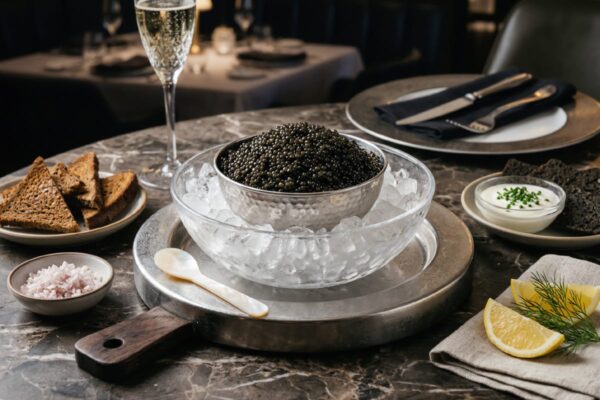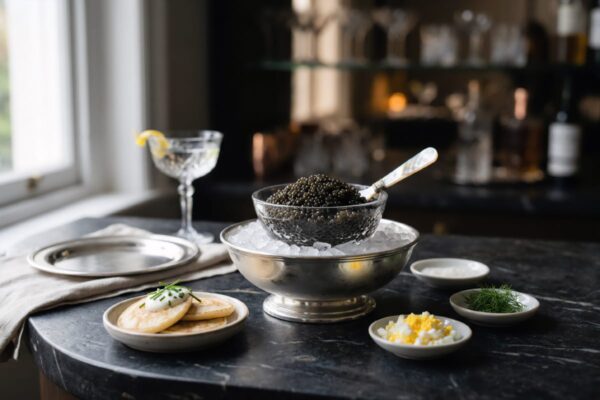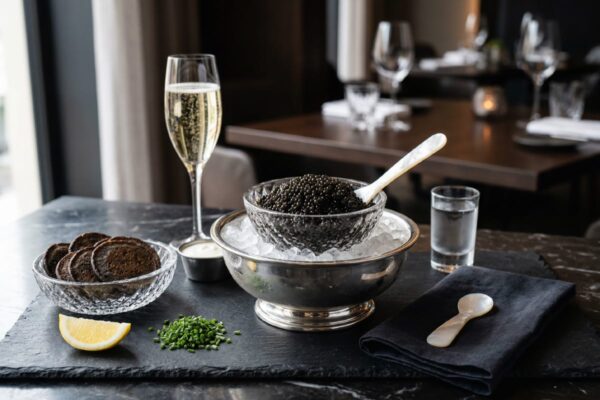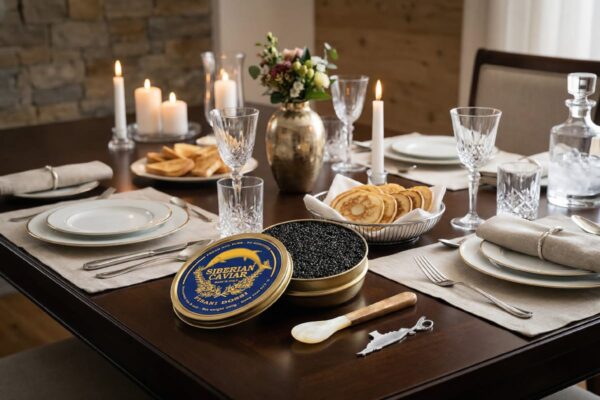

Caviar represents one of the most refined delicacies in culinary culture. Yet many people undermine their tasting experience through simple errors that mask the true character of these delicate sturgeon eggs. These mistakes range from pre-tasting preparation missteps to rushed consumption methods that prevent proper flavor appreciation. Understanding the right approach transforms caviar from an expensive curiosity into a memorable sensory event.
The journey to properly enjoying caviar begins long before the first bite touches the tongue. Many enthusiasts focus solely on the moment of consumption while ignoring critical preparation steps. They rush through the tasting without allowing time for full flavor development on the palate. Others follow outdated customs that no longer serve the experience well.
Pre-consumption preparation mistakes that diminish enjoyment
The hours before a caviar tasting session directly affect how well taste buds perceive subtle nuances. Many people ignore this preparation phase and wonder why their expensive caviar fails to deliver the expected experience. The palate needs to be in a neutral, receptive state to detect delicate briny notes and creamy undertones.
Eating heavy meals immediately before a caviar tasting session
Consuming rich or filling foods shortly before caviar creates several problems that mask true flavors. A full stomach reduces appetite and interest in savoring small amounts slowly. The digestive system remains occupied processing previous foods. Taste receptors stay coated with residual flavors from earlier meals.
Heavy protein dishes prove especially problematic before caviar service. Meats like steak or pork leave lasting impressions that compete with the subtle sea-salt characteristics of quality roe. Cream-based sauces create a coating effect that prevents proper egg-to-tongue contact. Spicy or highly seasoned preparations overwhelm delicate taste receptors.
Best timing practices:
- Wait at least two hours after substantial meals
- Choose light fare if eating beforehand
- Keep portions small during the pre-tasting period
- Stick to mild vegetables or simple grains
- Avoid fried or heavily buttered dishes
The body’s ability to detect subtle taste differences depends on available digestive capacity and receptor sensitivity. Light snacks consumed three to four hours before tasting allow the stomach to empty while maintaining stable blood sugar levels. Plain toast with a thin butter layer, steamed vegetables without sauce, or simple rice dishes work well as pre-tasting fuel. These options provide energy without overwhelming the palate or creating lingering flavor interference. The goal centers on arriving neither overly hungry nor uncomfortably full, as both states reduce tasting accuracy and enjoyment potential.
Not cleansing the palate properly with neutral foods beforehand
A clean palate serves as the foundation for proper caviar appreciation. Residual tastes from earlier foods interfere with the ability to detect the nuanced flavor profile of different varieties. The tongue needs a neutral baseline to recognize subtle differences between types.
Water and plain crackers remain the most effective palate preparation tools. These simple items rinse away lingering flavors without adding new taste elements. Some people skip this step and jump directly to the caviar. Their taste buds never reach the neutral state needed for accurate flavor detection.
Consuming strong mints or gum that linger on taste buds
Mint products create one of the most damaging pre-tasting scenarios. The menthol compounds in mints and gum coat the entire mouth with cooling sensations. These effects persist for 30 minutes or longer after the mint dissolves. The tongue cannot properly detect subtle salinity or buttery textures while dealing with mint interference.
Strong mint flavors also desensitize taste receptors to mild sensations. Caviar contains delicate flavor notes that require sensitive, responsive taste buds. Mint exposure reduces this sensitivity and flattens the perceived taste range. The result feels disappointing and one-dimensional.
Drinking coffee or smoking shortly before the experience
Coffee and tobacco products leave powerful residual effects that destroy caviar enjoyment. Coffee’s bitter compounds cling to taste receptors and alter pH levels in the mouth. The acidity interferes with proper perception of the briny sweetness found in quality eggs. Smoking introduces tar and harsh chemical flavors that overpower everything else.
Both habits also dry out the mouth and reduce saliva production. Adequate moisture helps caviar eggs release their full flavor as they burst. A dry palate creates friction and prevents smooth texture appreciation. These effects last for hours after consumption ends.
Mouthfeel and texture appreciation errors during consumption
Texture plays a role equal to flavor in the caviar experience. The way eggs feel against the tongue and roof of the mouth defines quality as much as taste does. Many people focus only on flavor while missing half the sensory information available. This narrow approach prevents full appreciation of what makes each variety distinct.
Proper technique allows eggs to release their contents gradually while maintaining structural integrity. The membrane should provide gentle resistance before yielding to pressure. This creates the signature burst sensation that defines quality caviar. Rushing or applying wrong pressure patterns destroys this carefully balanced experience.
Swallowing the eggs whole without experiencing the burst
Some people treat caviar like pills and swallow it immediately without tongue contact. This approach wastes the entire tasting opportunity and provides zero flavor information. The eggs pass through the mouth intact and deliver their contents in the stomach where taste receptors cannot detect them.
The burst represents the moment when eggs release their liquid center against the palate. This action floods taste receptors with concentrated brine and fat compounds. Missing this step means missing the core caviar experience that justifies the expense. The tongue needs time to process individual eggs and register their characteristics.
Pressing too hard with the tongue and losing delicate nuances
Excessive pressure crushes eggs prematurely and creates an unpleasant mush texture. The membrane breaks before proper flavor release can occur. All the contents mix together in a homogeneous paste rather than releasing in controlled bursts. This aggressive approach eliminates the textural contrast between firm exterior and liquid interior.
Gentle rolling motion works best for proper caviar appreciation. The eggs should rest against the roof of the mouth where light pressure triggers gradual release. This method allows each egg to burst individually while maintaining separation from its neighbors. The result provides clear feedback about egg size, membrane thickness, and liquid consistency.
Eating too quickly to notice the creamy finish development
Caviar flavors evolve over several seconds as the eggs release their contents. The initial taste presents salinity and ocean notes, but the finish develops into creamy, sometimes nutty characteristics. People who rush through the experience miss this flavor progression and never taste the complete profile.
Proper tasting sequence:
- Place small amount on tongue
- Wait two seconds before moving
- Roll gently against palate
- Notice initial burst flavors
- Hold position for finish development
- Breathe through nose during tasting
The lingering finish after swallowing reveals quality markers that distinguish superior caviar from average products. Premium eggs leave a clean, slightly sweet aftertaste that persists for 20 to 30 seconds. Lower grades fade quickly or leave unpleasant fishy notes. Missing this final phase means losing valuable quality information.
Sequencing mistakes when enjoying multiple caviar varieties
Tasting multiple caviar types in a single session requires careful planning and execution. The order of presentation directly affects how well taste buds perceive differences between varieties. A poorly planned sequence can make later samples taste bland or one-dimensional. Smart sequencing preserves palate sensitivity throughout the entire tasting.
Each caviar type carries different intensity levels and flavor characteristics. Beluga presents mild, buttery notes while Sevruga delivers bold, salty punch. Starting with the wrong variety desensitizes the palate to subtler options that follow. This common error ruins the chance to appreciate delicate specimens at their best.
| Caviar Variety | Flavor Intensity | Grain Size | Recommended Order |
|---|---|---|---|
| Beluga | Mild, buttery | Large | First or second |
| Ossetra | Medium, nutty | Medium | Second or third |
| Sevruga | Strong, briny | Small | Last |
Professional tasters document impressions immediately after each sample to avoid mental confusion between varieties. Writing down three flavor notes and one texture observation creates a reference record that helps identify personal preferences. Temperature consistency matters across all samples, so keeping tins properly chilled throughout the session prevents quality degradation. The progression from delicate to bold allows each type to shine without competition from stronger predecessors. Proper spacing between samples, typically two to three minutes, gives the palate time to recover fully before introducing new flavor profiles.
Starting with stronger flavored types before delicate ones
Beginning a tasting with bold varieties creates a baseline that makes everything else taste weak. Sevruga caviar contains high salt content and assertive ocean flavors that coat the entire mouth. After experiencing this intensity, Beluga tastes watery and underdeveloped. The taste buds become calibrated to expect strong sensations.
This mistake mirrors drinking coffee before tasting tea leaves. The stronger substance overwhelms receptors and prevents proper detection of subtle notes. Professional tastings always progress from mild to intense. This allows each sample to be judged on its own merits rather than in comparison to something more powerful.
Failing to reset the palate between different caviar samples
Many people move directly from one variety to the next without cleansing steps. The previous sample’s flavors still coat the tongue when the new eggs arrive. This creates muddy, confused impressions rather than clear distinctions. Each variety deserves a clean slate for accurate evaluation.
Simple water and plain crackers provide effective palate reset between samples. The water rinses away residual salt and oils. Crackers absorb lingering fats and provide textural cleaning action. This two-step process takes less than 30 seconds but dramatically improves the ability to taste differences.
Mixing various grades together in a single tasting
Combining different caviars on one plate or in one bite destroys the individual character of each type. The flavors merge into a generic fish-egg taste rather than showcasing distinct profiles. This approach wastes money and provides no useful information about what makes each variety special.
Some people think mixing creates interesting flavor combinations. The reality shows that caviar varieties compete rather than complement each other. The subtle differences that define quality get lost in the jumbled mixture. Separate tasting preserves the ability to identify preferred characteristics and make informed future purchases.
Pro tip: Create a simple tasting sheet to record impressions of each variety before moving to the next sample. Write down three flavor descriptors and a texture note for every type tasted. This practice slows down consumption and forces attention to detail.
Common misconceptions about proper caviar consumption methods
Many outdated traditions and myths surround caviar service and consumption. These beliefs persist despite lacking practical benefit or flavor enhancement. Following them blindly can actually reduce enjoyment rather than improving it. Modern understanding of taste science reveals better approaches than historical customs.
Some misconceptions stem from elite dining culture where presentation mattered more than actual taste. Others arise from incorrect assumptions about how caviar interacts with different materials and accompaniments. Breaking free from these myths allows for more authentic and satisfying experiences.
Believing caviar must always be eaten on blinis or toast points
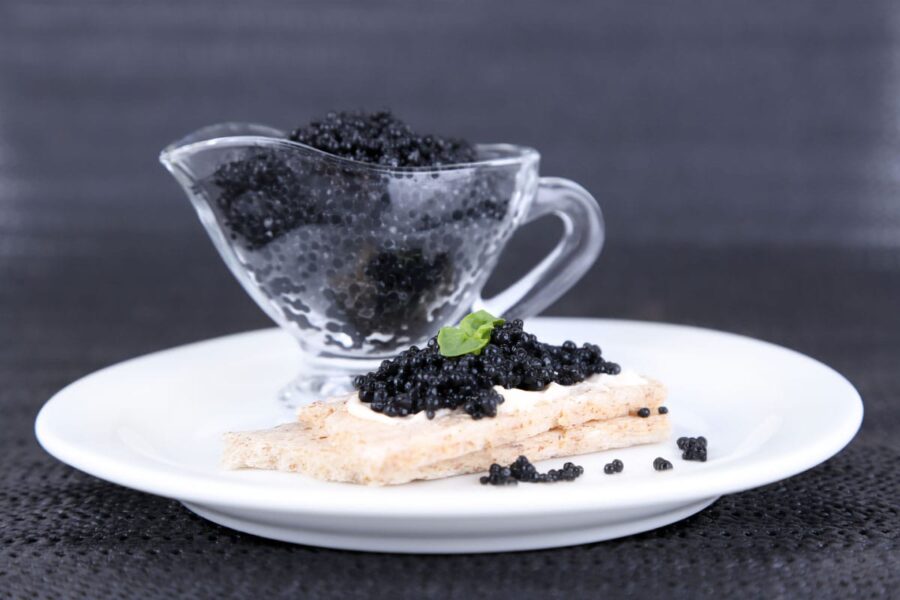
The tradition of serving caviar on blinis dates back to Russian customs where bread accompanied most foods. This pairing became associated with proper service through repetition rather than actual flavor enhancement. The reality shows that plain crackers or blinis often compete with caviar rather than supporting it.
Direct consumption from a spoon allows unfiltered taste assessment. The eggs contact the tongue without interference from bread flavors or textures. This method reveals the true character of the caviar without dilution. Many professionals prefer this approach for serious tasting rather than social service.
Accompaniment options:
- Direct from mother-of-pearl spoon
- Back of the hand for warming
- Small amount on plain cracker
- Alongside crème fraîche
- With boiled egg whites
Accompaniments serve a purpose during extended social gatherings where continuous tasting would overwhelm the palate. Light vehicles like unsalted crackers or thin potato slices provide textural contrast without adding competing flavors. The base should taste neutral and act as a delivery mechanism rather than a flavor component. Butter or cream additions make sense only when the caviar grade can stand up to dairy richness. Higher quality specimens rarely need any enhancement beyond the simplest presentation methods. The choice between direct tasting and accompanied service depends on the occasion, guest experience level, and available caviar quality rather than rigid tradition.
Thinking expensive varieties should be consumed differently than affordable ones
Price differences reflect scarcity and production costs rather than requiring special handling. Beluga costs more due to long maturation times for the sturgeon, not because it needs unique serving methods. All caviar types benefit from the same careful attention to temperature, utensils, and tasting technique.
This misconception leads people to overthink expensive purchases while being casual with affordable options. Both deserve proper service and mindful consumption. The tasting method remains constant regardless of cost. Quality appreciation depends on technique, not price point.
Assuming all sturgeon caviar requires identical eating approaches
Different sturgeon species produce eggs with varying characteristics that affect optimal serving methods. Sevruga’s small, crisp eggs work well with minimal accompaniment due to their intense flavor. Beluga’s large, delicate eggs benefit from gentle handling to prevent premature bursting.
Water temperature preferences also vary between types. Some varieties taste best at 28 to 32 degrees while others prefer slightly warmer service around 40 degrees. Understanding these distinctions helps tailor the approach to each specific caviar rather than applying one-size-fits-all methods.
Following outdated traditions that no longer enhance the experience
Metal spoon avoidance represents one myth that persists despite lacking scientific support. The belief claims metal imparts off-flavors to caviar. Modern testing shows brief contact causes no detectable taste change. Non-metal spoons offer advantages for serving from the tin but not for actual tasting.
Temperature service rules also deserve reconsideration based on current knowledge. Older guidelines insisted on ice-cold service. Research now shows slight warming releases more aromatic compounds and improves flavor perception. The eggs should feel cool but not frozen when they enter the mouth.
Pro tip: Test the same caviar at different temperatures between 28 and 45 degrees to find personal preference points. Most people discover their ideal range falls warmer than traditional service guidelines suggest.
Premium fresh malossol black caviar without preservatives at PremiumCaviar Shop
Avoiding common tasting mistakes starts with selecting quality caviar from trusted sources. PremiumCaviar maintains strict standards for freshness and traditional malossol preparation methods. The shop specializes in artisan black caviar produced without preservatives or pasteurization processes. Each tin contains fresh roe that maintains natural texture and authentic flavor profiles.
The selection focuses on two primary sturgeon varieties sourced from sustainable aquaculture operations. Traditional processing techniques preserve the delicate characteristics that define superior caviar. Every batch undergoes careful quality control to ensure proper grain size, color consistency, and taste standards.
Fresh Siberian Sturgeon Black Caviar Selection
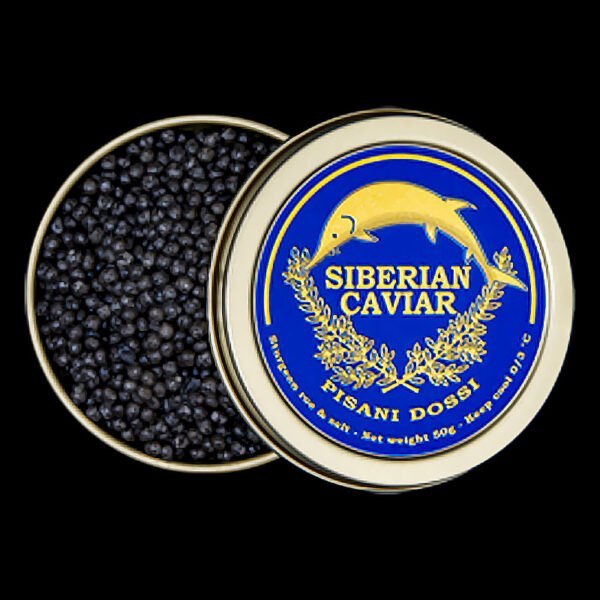
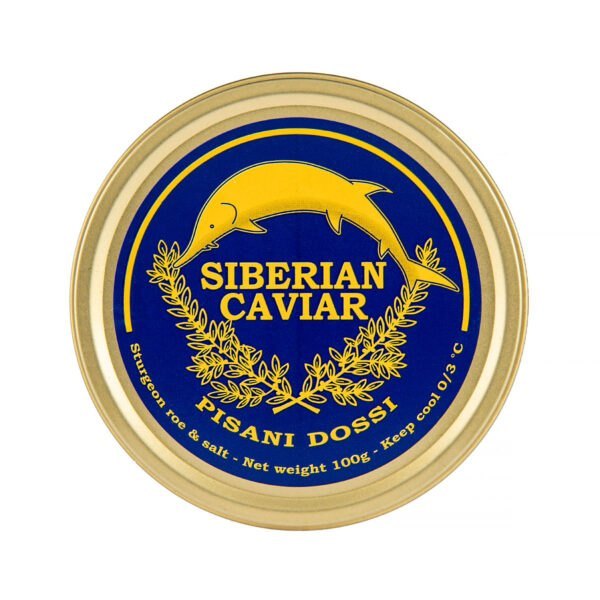
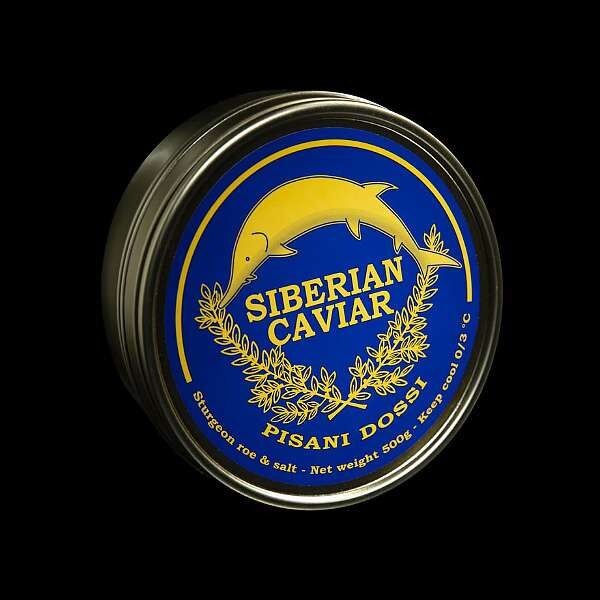
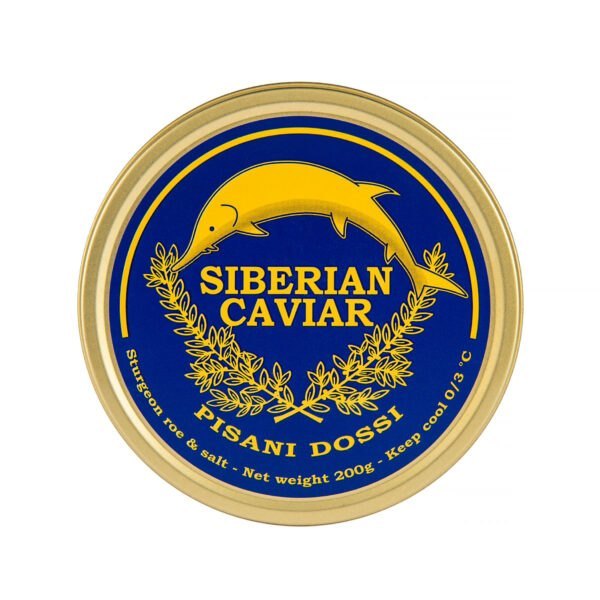
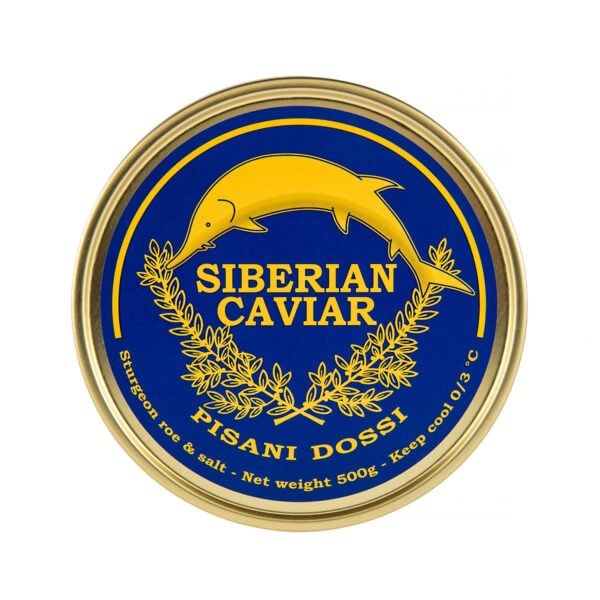
Siberian sturgeon caviar roe delivers medium-sized eggs with firm texture and mild flavor characteristics. The grains range from deep grey to jet black coloration. Taste profiles feature gentle brine notes balanced with subtle earthy undertones. The texture remains creamy yet provides satisfying pop when rolled against the palate. This variety works well for both newcomers and experienced tasters seeking approachable options.

Premium Osetra Black Caviar Varieties
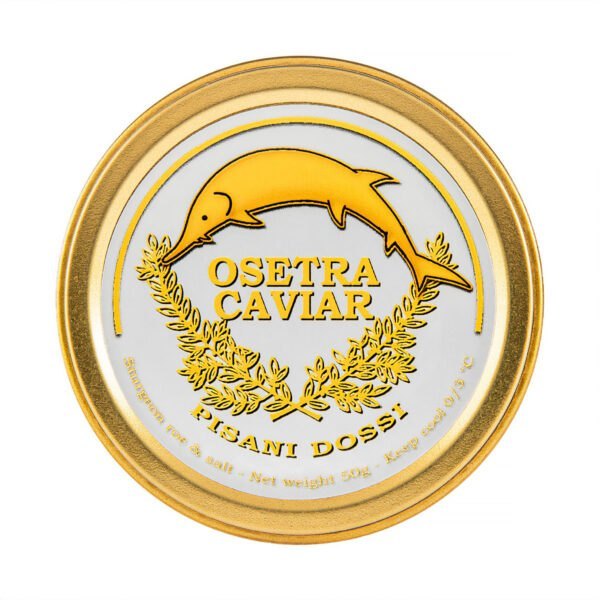
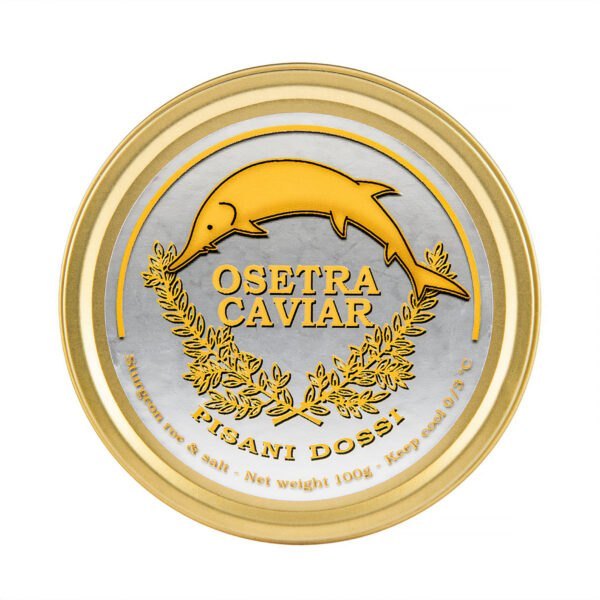
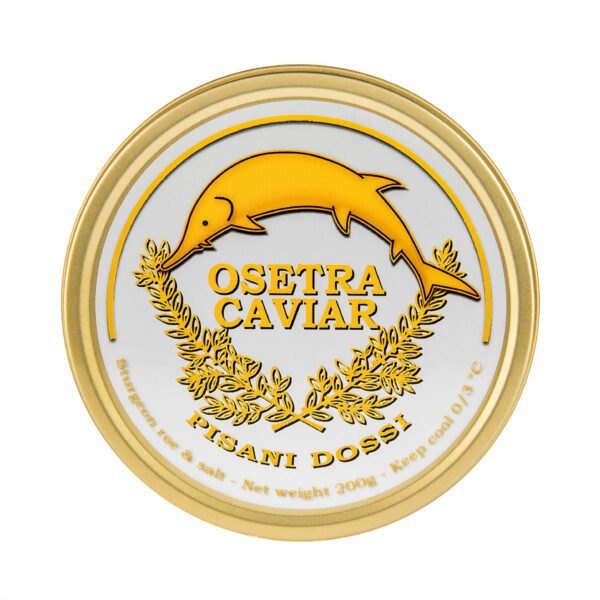
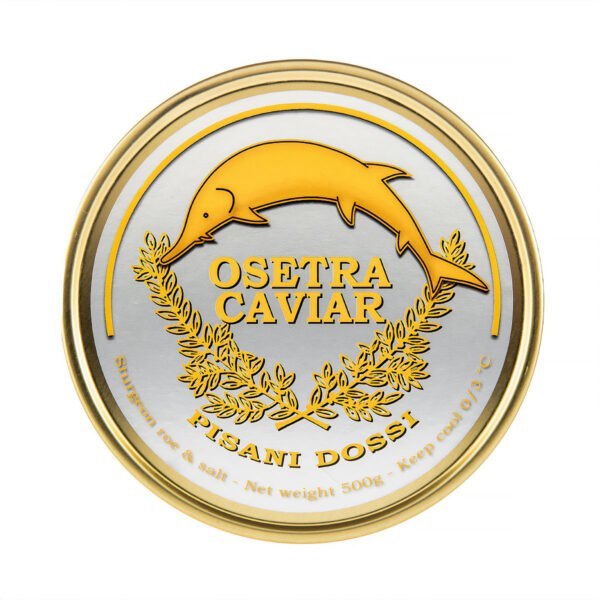
Osetra caviar presents larger grain eggs size compared to Siberian alternatives. Colors span from pearl grey through bronze tones with occasional amber highlights. The flavor profile leans toward nutty notes with complex finish development. Texture feels firmer and requires gentle pressure for proper bursting. Osetra represents a step up in both taste complexity and visual presentation.

Malossol Preparation Without Preservatives
Traditional malossol methods use minimal salt content to preserve natural flavors. The absence of preservatives means shorter shelf life but superior taste quality. Fresh preparation maintains the delicate membrane structure that creates proper mouthfeel. Each tin arrives ready for immediate consumption at peak freshness.
Browse the complete collection at PremiumCaviar Shop to select varieties that match personal taste preferences. Professional consultation helps determine the right caviar type for specific occasions and serving plans. Contact the support team for guidance on selection, storage, and serving recommendations.
Post tasting habits that waste the full sensory impact
The minutes after swallowing caviar contain valuable sensory information that many people ignore. The finish and aftertaste reveal quality markers and flavor nuances not apparent during active tasting. Rushing to the next activity or immediately consuming other foods erases this final chapter of the experience.
Professional tasters spend as much time analyzing the finish as they do on initial flavors. The way caviar leaves the palate provides clues about freshness, processing quality, and varietal authenticity. Skipping this phase means missing essential data about what was just consumed.
Immediately eating other foods that erase the lingering finish
Jumping to bread, cheese, or other accompaniments right after swallowing destroys the chance to evaluate aftertaste. The new flavors overwrite whatever remained from the caviar. This habit prevents learning how to distinguish quality markers through finish characteristics.
Premium caviar leaves a clean, slightly sweet residue that lasts 30 to 60 seconds. Lower grades fade faster or develop fishy notes as they linger. These differences only become apparent when the palate stays clear after swallowing. Patience during this window provides education that improves future purchasing decisions.
Not taking time to reflect on the flavor profile and complexity
Many people treat caviar as a quick luxury moment rather than a contemplative experience. They consume it rapidly and move on without processing what they just tasted. This approach works for simple foods but fails with complex products like quality caviar.
Mental reflection helps solidify taste memories and build a personal reference library. Taking 30 seconds to consider what flavors appeared, how texture felt, and whether the finish pleased creates lasting impressions. These mental notes become the foundation for developing true appreciation and informed preferences.
Reflection questions:
- What flavors appeared first versus later?
- How did texture compare to previous experiences?
- Did the finish seem clean or lingering?
- Which characteristics stood out most?
- Would this variety be worth purchasing again?
Developing a personal tasting vocabulary takes time and repeated exposure to different varieties. Recording impressions in a simple notebook or phone app creates a searchable history of preferences. This habit transforms casual consumption into structured learning that pays dividends during future purchases. Comparing notes from multiple sessions reveals patterns in personal taste preferences that might not be obvious during individual tastings. The investment of reflection time turns expensive caviar experiences into educational opportunities rather than fleeting indulgences. Over time, these documented observations build confidence in selecting varieties that consistently deliver satisfaction.
Drinking water too soon and washing away residual taste notes
Water consumption immediately after swallowing rinses the mouth clean before the full finish develops. The residual oils and salts need time to interact with taste receptors and create the complete flavor picture. Premature rinsing cuts this process short and removes valuable sensory information.
Waiting 45 to 60 seconds before drinking allows the aftertaste to fully manifest. The initial briny notes fade while secondary characteristics like cream, nuts, or butter emerge. These later-stage flavors define quality caviar and separate exceptional products from ordinary ones. Missing them means never understanding what premium grades truly offer.
Pro tip: Set a 60-second timer after each caviar sample during structured tastings. Use this period to note flavor progression and finish characteristics before cleansing the palate. This disciplined approach trains attention and develops the ability to detect subtle differences between varieties.
FAQ: Frequently Asked Questions
What temperature should caviar be served at to avoid flavor mistakes?
Caviar performs best when served between 28 and 34 degrees Fahrenheit, just above freezing. This narrow temperature range preserves texture while allowing aromatic compounds to release properly. Serving too cold makes eggs feel hard and suppresses delicate flavors. The fat tightens and subtle notes disappear completely.
Serving too warm creates opposite problems that ruin the experience. The roe becomes oily and loses structural integrity. Brine flavors dominate while quality defects become more noticeable. Place tins on crushed ice during service to maintain proper temperature under warm dining room lights. Small containers reach ideal temperature within minutes after leaving the refrigerator.
Should caviar be chewed or allowed to dissolve on the tongue?
Chewing caviar represents a common error that destroys the tasting experience. Moving eggs between teeth removes them from tongue receptors where flavor detection occurs. The act of chewing also crushes eggs prematurely and creates unpleasant mush texture. No flavor information reaches taste buds during the chewing process.
Gentle rolling on the tongue produces superior results and releases full flavor profiles. Place a small amount on the palate and let eggs rest there. Light pressure against the roof of the mouth triggers controlled bursting. This method allows each egg to release contents individually while maintaining separation. The technique mirrors wine tasting where liquid swirls around the mouth to contact more receptors. Patience during this phase reveals the buttery texture and complex notes that define quality caviar.
How much caviar should be consumed at one time to avoid waste?
Serving size depends on the meal context and number of guests present. Tasting sessions require 5 to 10 grams per person, roughly one teaspoon. This small amount allows proper evaluation without overwhelming the palate. Appetizer service calls for 15 to 30 grams per person. Main course presentations work best with 30 to 50 grams per individual.
Taking small bites during consumption preserves appreciation and prevents rapid palate fatigue. Each spoonful should contain about half a teaspoon initially. This modest portion size allows time to savor complex flavors before adding more. Eating too much at once numbs taste receptors and wastes the experience. The high value of caviar demands mindful consumption rather than quick indulgence.
Why do metal spoons affect caviar taste and what alternatives work better?
Metal spoons react chemically with caviar and create undesirable metallic taste interference. This reaction masks the delicate brine and butter notes that define quality eggs. Silver utensils produce similar problems and alter flavor perception. The chemical interaction happens instantly when metal contacts the roe.
Mother of pearl spoons remain the preferred choice for caviar service. This inert material produces no chemical reactions or taste alterations. Bone, horn, and gold spoons also work well for flavor-neutral service. These materials preserve the authentic taste profile without adding foreign notes. Glass and certain plastics provide affordable alternatives for home service. The typical caviar spoon measures 10 to 12 centimeters in length.
How long should the palate rest between tasting different caviar varieties?
Proper palate cleansing between samples prevents flavor confusion and maintains taste accuracy. Each variety deserves a clean baseline for fair evaluation and comparison. Skipping this step creates muddy impressions where one type bleeds into another. The previous sample’s oils and salts coat the tongue and interfere with new flavors.
Simple water and plain crackers provide the most effective reset method between tastings. Water rinses residual salt while crackers absorb lingering fats through textural action. This two-step process takes 30 seconds but dramatically improves distinction ability. The palate returns to neutral and becomes ready for accurate new sample assessment. Professional tastings always include these cleansing steps between varieties to ensure proper evaluation.
Conclusion
Caviar appreciation depends on avoiding common mistakes that mask the delicate qualities of these prized eggs. Pre-tasting preparation sets the foundation by ensuring clean, sensitive taste buds ready to detect subtle nuances. During consumption, proper technique allows eggs to burst naturally and release their full flavor profile against the palate. Smart sequencing when tasting multiple varieties preserves the ability to appreciate each type at its best.
Breaking free from outdated traditions and misconceptions opens the door to more authentic experiences. Modern understanding of taste science provides better guidance than historical customs that prioritized appearance over actual enjoyment. The post-tasting period deserves attention equal to active consumption, as the finish and aftertaste reveal quality markers not apparent during initial flavors. Taking time to reflect and analyze each experience builds the knowledge base needed for true connoisseurship.
These principles apply whether tasting affordable varieties or premium grades. The techniques remain constant while the specific characteristics change. Careful attention to preparation, consumption method, and reflection transforms caviar from an expensive curiosity into a deeply satisfying culinary experience. Avoiding these common mistakes allows the true character of quality sturgeon eggs to shine through without interference or distortion.