

Valentine’s Day calls for something special, and black caviar stands as one of the most romantic delicacies to share with a loved one. The delicate roe from sturgeon fish has been treasured for centuries as a symbol of refinement and celebration. Yet for those new to this world, selecting the right caviar for Valentine’s Day can feel overwhelming with so many varieties, grades, and quality factors to understand.
Purchasing black caviar requires knowledge that goes beyond simply picking the most expensive jar from a store shelf. Different sturgeon species produce roe with distinct flavor profiles, textures, and colors. The quality indicators span from processing methods to grain size, while storage and serving techniques can make or break the tasting experience.
This guide walks through what first-time buyers need to know about osetra and sturgeon caviar options. From understanding the main types and quality markers to setting budgets and creating the perfect serving experience, these insights help make Valentine’s Day memorable. The goal is to demystify the selection process and build confidence when choosing this refined delicacy for a special celebration.
Understanding the main types of black caviar for beginners
Black caviar varieties come from different sturgeon species, each bringing unique characteristics to the table. For those new to this world, understanding these main types of caviar helps narrow down choices and set realistic expectations. The three most recognized varieties include beluga, osetra, and sevruga, though beluga faces strict regulations due to conservation concerns. Farm-raised alternatives now dominate the market, providing sustainable options while maintaining quality standards.
What makes osetra caviar the most popular choice
Osetra caviar earns its reputation as the most sought-after option among caviar enthusiasts and beginners alike. The medium-sized pearls range from light gray to golden brown with distinctive firm texture. The flavor profile of osetra combines nutty undertones with buttery richness, often described as reminiscent of walnuts. This complexity makes it less briny than sevruga while more robust than beluga, striking a balance that appeals to many palates.
The eggs maintain their shape well on the palate, providing a satisfying pop followed by a creamy finish. This texture comes from the sturgeon’s natural biology and the careful processing methods used during harvest. The color variations also make osetra visually appealing, with golden-hued varieties commanding attention at any table. The consistency from batch to batch makes it a reliable choice when planning a special evening.
Comparing sturgeon varieties and their flavor profiles
Different sturgeon species produce roe with varying taste characteristics and physical attributes. The comparison helps buyers match personal preferences with the right type. Each variety brings something different to the Valentine’s Day table, from subtle sweetness to pronounced oceanic notes.
| Sturgeon Type | Grain Size | Color Range | Flavor Profile | Texture |
|---|---|---|---|---|
| Osetra | Medium | Gray to golden brown | Nutty, buttery, creamy | Firm with satisfying pop |
| Sevruga | Small | Dark gray to black | Briny, intense, salty | Soft and delicate |
| Kaluga | Large | Dark gray | Rich, buttery, smooth | Creamy and tender |
| Siberian | Medium-small | Dark brown to black | Clean, mild, slightly sweet | Medium-firm |
The flavor differences between sturgeon types reflect their diets and living environments. Wild sturgeon develop more complex taste profiles due to varied diets and natural habitats. Farm-raised varieties offer cleaner, more consistent flavors with buttery finishes that many first-time tasters appreciate. The grain size affects the mouthfeel, with larger eggs providing more pronounced bursts while smaller ones dissolve more quickly.
Why beluga alternatives offer better value for newcomers
Beluga caviar alternatives present practical choices for Valentine’s Day celebrations without the hefty investment or ethical concerns. Kaluga and hybrid sturgeon varieties closely mimic beluga’s large grain size and buttery taste. These options cost less while still delivering a luxurious experience that impresses at romantic dinners. The sustainability factor also makes these alternatives more responsible choices for conscious consumers.
Kaluga sturgeon produces eggs nearly identical to beluga in appearance and texture. The creamy, smooth flavor satisfies those seeking the beluga experience without the associated challenges. Hybrid varieties combine the best traits of different species, creating unique flavor profiles worth trying. These alternatives let beginners experience high-quality caviar while learning their preferences before moving to rarer options.
Recognizing the differences between farm raised and wild harvested eggs
Farm-raised caviar now dominates the market due to conservation efforts protecting wild sturgeon populations. The differences between these two sources affect taste, texture, and ethical considerations. Modern aquaculture techniques have advanced to where farm-raised roe rivals and sometimes surpasses wild varieties in quality.
Primary distinctions between sources:
- Wild caviar develops complex, nuanced flavors from diverse natural diets consisting of various fish and crustaceans
- Farm-raised eggs tend toward cleaner, buttery finishes due to controlled feeding programs and pristine water conditions
- Wild varieties carry firmer textures with more pronounced pops when bitten
- Farmed roe maintains consistency in grain size, color, and taste across different batches
- Wild harvesting raises sustainability concerns and legality issues in many regions
- Farm-raised options support conservation while providing steady supply
The nutritional content remains strong in both types, with omega-3 fatty acids, vitamins, and proteins present throughout. Wild caviar contains marginally higher omega-3 levels due to natural diets, though farmed producers now optimize feeding to match these benefits. The ethical advantages of farmed caviar include humane practices and controlled environments that protect wild populations. Taste tests reveal that trained palates can detect differences, but most beginners find both sources delicious and suitable for celebrations.
Essential quality indicators to examine before purchasing
Quality indicators for black caviar determine both the taste experience and the value received for the investment. Understanding these markers helps beginners avoid common pitfalls and select products that meet high standards. The assessment involves examining processing methods, grade classifications, physical characteristics, and salt content. Reputable sellers display this information clearly, making the selection process smoother for first-time buyers.
How malossol processing affects taste and freshness
Malossol processing represents the gold standard in caviar preparation, directly impacting both flavor and shelf life. The term translates to “little salt” in Russian, indicating the minimal salt content used during curing. This method uses only 2.7 to 5 percent salt by weight, allowing the natural flavors of the roe to shine through. Without excessive salt or pasteurization, the delicate taste remains intact while the product stays fresh.
The low salt content means the caviar must be kept properly refrigerated and consumed within specific timeframes. This processing enhances the natural buttery qualities and subtle ocean notes that define high-quality sturgeon roe. The eggs maintain their integrity better with malossol preparation, preserving the desired firm texture. For Valentine’s Day purchases, seeking malossol-processed caviar ensures the most authentic and refined tasting experience.
Decoding grade ratings and what they mean for your purchase
Caviar grade ratings classify products based on appearance, uniformity, and quality markers that affect the dining experience. Grade 1 represents the highest tier with large, firm, glossy pearls that exhibit refined taste and smooth texture. Grade 2 includes slightly softer or smaller pearls with less uniform appearance but still delivers excellent flavor. Some producers use terms like Imperial or Royal for their top-tier selections, though these designations lack universal standards.
Grading factors include:
- Egg size uniformity throughout the container, with consistent diameters indicating careful sorting
- Color consistency within each batch, showing proper selection and handling
- Firmness and pop quality when the eggs are pressed gently between fingers
- Fragrance that should smell fresh and oceanic without any off-putting odors
- Visual appearance with glossy sheen and no broken or mushed eggs
Understanding these grade distinctions helps match expectations with the product received. Top grades work beautifully for special occasions like Valentine’s Day when presentation matters. Lower grades still taste wonderful and suit dishes where the caviar gets mixed with other ingredients. The grading system gives buyers a reliable framework for comparing products across different sellers.
Evaluating grain size, color and texture characteristics
Physical characteristics of caviar provide immediate clues about quality and species identification. The grain size varies by sturgeon type, with osetra producing medium-sized eggs between 2.5 to 3 millimeters in diameter. Color ranges from light golden brown to darker gray tones, with lighter shades sometimes commanding attention. The texture should feel firm but not hard, yielding to gentle pressure while maintaining structural integrity.
Osetra caviar characteristics include the distinctive nutty color variations and golden flecks that catch light beautifully. The eggs should separate easily when spooned, not clump together or appear sticky. A slight sheen on the surface indicates freshness and proper handling. The membrane surrounding each egg needs to be intact, visible as a thin translucent layer when examined closely.
Understanding salt content levels in premium caviar
Salt content in caviar serves dual purposes as both preservative and flavor enhancer. Premium products use minimal salt to let the natural taste dominate while still maintaining freshness. The percentage ranges from under 3 percent in malossol preparations to 5 percent in standard grades. Tasting the caviar reveals whether salt levels suit personal preferences, with properly balanced roe tasting briny without overwhelming saltiness.
Too much salt masks the subtle complexities that make osetra and other varieties special. The ideal salt level enhances the natural sweetness and umami qualities present in sturgeon roe. Beginners should look for products labeled malossol or with salt content specifications clearly marked. This information helps ensure the Valentine’s Day caviar delivers the refined experience expected from this delicacy.
Setting a realistic budget for Valentine’s Day caviar
Budget planning for caviar requires understanding the factors that influence cost without compromising quality. The market ranges widely, making it possible to find options that fit different financial situations. Setting clear expectations about quantity needs and quality grades helps shoppers make informed decisions. First-time buyers benefit from starting with moderate amounts to test preferences before committing to larger purchases.
Average price ranges for osetra and sturgeon options
Osetra caviar pricing reflects the species rarity, farming costs, and market demand that make this variety popular. Domestic farm-raised osetra tends to be more accessible than imported varieties while maintaining excellent quality standards. The production timeline for sturgeon caviar spans many years, as fish must mature before producing viable roe. This lengthy process contributes to the cost structure across all sturgeon varieties.
Different grades within the same species show price variations based on appearance and consistency factors. Imperial or Royal grade osetra commands attention due to larger grains and golden coloring. Standard Grade 1 products deliver outstanding flavor at more approachable levels. Siberian sturgeon caviar presents another option worth considering, offering good value with pleasant taste profiles.
Determining the right quantity per person for special occasions
Serving size for caviar depends on whether it functions as an appetizer or part of a larger meal. For romantic dinners on Valentine’s Day, planning for 30 to 50 grams per person creates an intimate tasting experience. This amount allows both partners to savor the delicacy without overwhelming the palate before other courses. Buying quantities that match actual consumption prevents waste, as opened caviar has limited shelf life.
Quantity considerations include:
- Appetizer portions range from 15 to 30 grams when served before a full meal
- Main feature servings work well at 50 to 75 grams per person for focused tastings
- Accompaniments like blini or toast points stretch the serving by adding volume
- Multiple varieties in smaller amounts let guests compare different types
- Storage limitations after opening mean buying right-sized containers makes sense
Starting with smaller quantities makes sense for first-time buyers still learning their preferences. A 50-gram tin serves two people generously when paired with traditional accompaniments. The intimate nature of Valentine’s Day dining suits moderate portions that feel special without excess. Leftover caviar rarely maintains peak quality, so matching purchase size to planned consumption proves wise.
When premium grades justify higher costs
Premium grade caviar merits consideration when the occasion demands the finest possible experience. Valentine’s Day represents exactly this type of special moment where top-tier products enhance the celebration. The differences between grades become more apparent to those paying attention to subtle flavor nuances and visual presentation. First-time buyers might struggle to detect these distinctions, making mid-range grades equally satisfying.
Imperial grade osetra with its golden hues and uniform large grains creates stunning visual impact on serving plates. The taste complexity in top grades shows deeper flavor layers and more refined finishes. When serving caviar as the centerpiece of the evening, these qualities justify the investment. For mixed dishes or less formal settings, standard grades perform beautifully while preserving budget flexibility.
Pro tip: Purchase caviar from suppliers that allow comparison tastings or sample sizes when available. Testing different grades and species before committing to larger amounts helps identify personal preferences without overspending on varieties that might not suit individual tastes.
Proper storage techniques to maintain freshness
Caviar storage methods directly impact the product’s taste, texture, and safety throughout its shelf life. The delicate nature of sturgeon roe requires specific temperature ranges and handling practices. Mistakes in storage lead to spoiled product, wasted money, and disappointing Valentine’s Day experiences. Understanding these techniques before purchase day ensures the caviar arrives at the table in peak condition.
Optimal temperature requirements for unopened containers
Temperature control for caviar ranks as the single most important storage factor. The ideal range sits between 0 to 4 degrees Celsius, or 28 to 30 degrees Fahrenheit. Most home refrigerators run warmer than this optimal zone, requiring strategic placement in the coldest areas. The bottom drawer or back of the lowest shelf typically maintains the coolest temperatures.
Unopened caviar containers can last up to four weeks when stored correctly. Placing the tin or jar on a bed of crushed ice inside the refrigerator helps achieve the target temperature. Check the container daily to ensure no leakage or damage occurs during storage. The original packaging protects the roe from light and air exposure that can degrade quality.
Extending shelf life after opening your caviar
Opened caviar requires immediate attention to prevent rapid quality decline. The shelf life drops to just three days once the seal breaks and air reaches the roe. Minimizing air exposure becomes the priority after each serving. Wrapping the container tightly with plastic film before returning it to the refrigerator helps maintain freshness.
Preservation steps after opening:
- Press plastic wrap directly onto the caviar surface to eliminate air pockets
- Keep the lid sealed tightly between servings to prevent moisture loss
- Store in the coldest refrigerator section, not in door shelves where temperature fluctuates
- Use clean, dry utensils each time to avoid introducing bacteria or moisture
- Consume within 48 to 72 hours for best flavor and texture
Planning the purchase timing so the caviar arrives just one or two days before Valentine’s Day makes sense. This schedule means opening the container close to serving time, maximizing freshness. Ordering too far in advance creates storage challenges and risks quality loss even with proper handling. Coordinating delivery or pickup dates with the planned celebration ensures the roe tastes its absolute best.
Why freezing damages delicate roe texture
Freezing caviar destroys the delicate structure that makes this delicacy special. The water content inside each egg expands when frozen, rupturing the membrane and turning the texture mushy. The characteristic pop and firm bite disappear completely once freezing occurs. Even partial freezing from refrigerator cold spots can damage the roe irreversibly.
The eggs become watery and lose their distinct separation after thawing. The flavor also deteriorates, with the subtle nutty and buttery notes fading. Storage must maintain cold temperatures without crossing into freezing territory. Monitoring the refrigerator temperature and adjusting settings prevents accidental freezing that ruins expensive purchases.
Best practices for transporting caviar safely
Transporting caviar from store to home requires the same temperature vigilance as long-term storage. Insulated bags with ice packs maintain cold conditions during travel. Travel time should be minimized to prevent temperature swings that compromise quality. Planning the pickup or delivery as the last stop before heading home makes sense.
Restaurant or store pickups on Valentine’s Day itself eliminate extended storage concerns. Some suppliers pack orders with dry ice or gel packs for safe transport. Bringing a cooler for the trip home provides extra protection during warm weather. Once home, transferring the caviar immediately to proper refrigeration prevents any quality loss.
Pro tip: Set the refrigerator to its coldest safe setting two days before receiving the caviar. Place a thermometer in the storage area to verify temperatures stay in the 0 to 4 degrees Celsius range. This preparation ensures the storage environment is ready when the product arrives, preventing any temperature-related degradation.
Premium fresh black caviar at PremiumCaviar Shop
Selecting black caviar for Valentine’s Day becomes simpler when working with trusted suppliers who prioritize quality and authenticity. PremiumCaviar brings together sustainable sourcing practices and traditional processing methods that preserve the natural characteristics of sturgeon roe. The shop maintains a focus on transparency and traceability, ensuring every container meets strict quality standards. Customers gain access to carefully curated selections from sustainable farms that use organic approaches to caviar production.
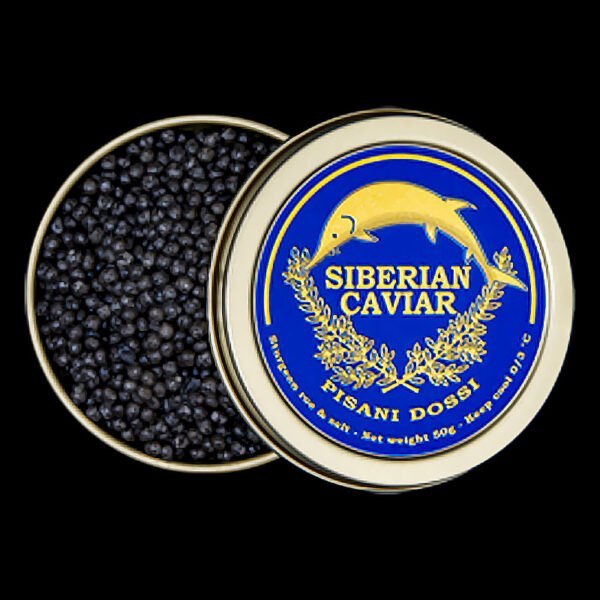
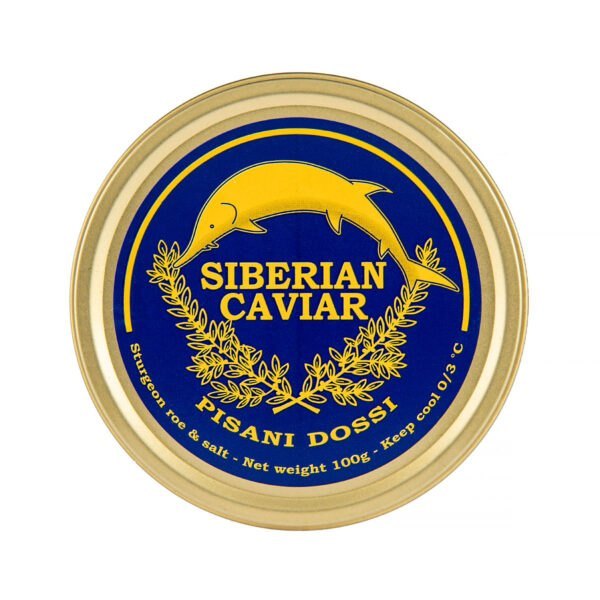
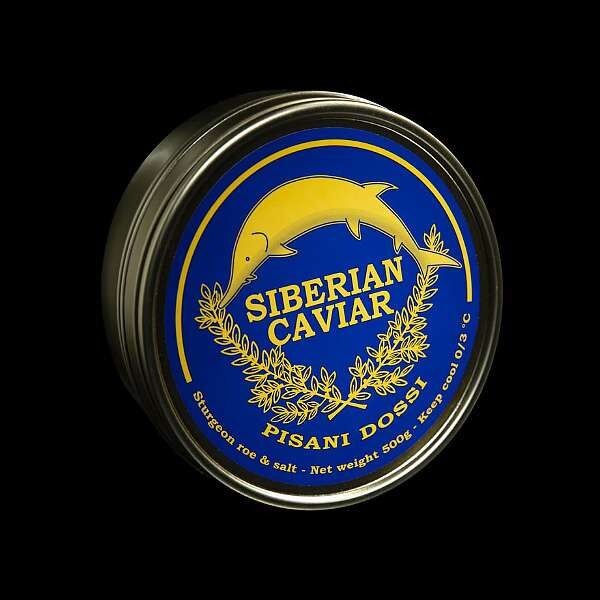
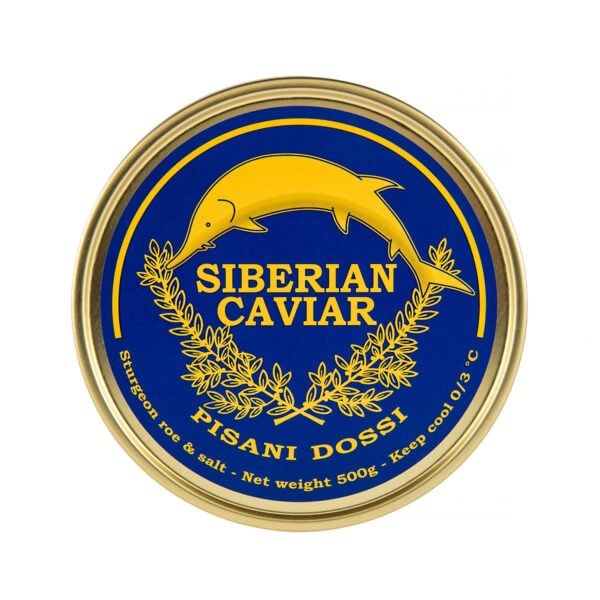
Siberian Sturgeon Caviar Selection
The Siberian sturgeon black caviar collection at PremiumCaviar features fine-grained roe with distinctive characteristics that appeal to both newcomers and experienced enthusiasts. The eggs measure between 2.6 and 3.0 millimeters, providing medium texture with satisfying firmness. Colors range from deep black with gray undertones to rich black-brown tones that catch light beautifully on serving plates. The flavor profile delivers pure, clean taste with elegant finish that makes this variety accessible for Valentine’s Day celebrations.
This farm-raised Siberian caviar comes from Acipenser baerii sturgeon raised in controlled environments that replicate natural conditions. The production methods exclude preservatives, additives, and artificial treatments, allowing the natural taste to remain intact. Multiple size options accommodate different serving needs, from intimate dinners for two to larger gatherings.


Premium Osetra Caviar Options
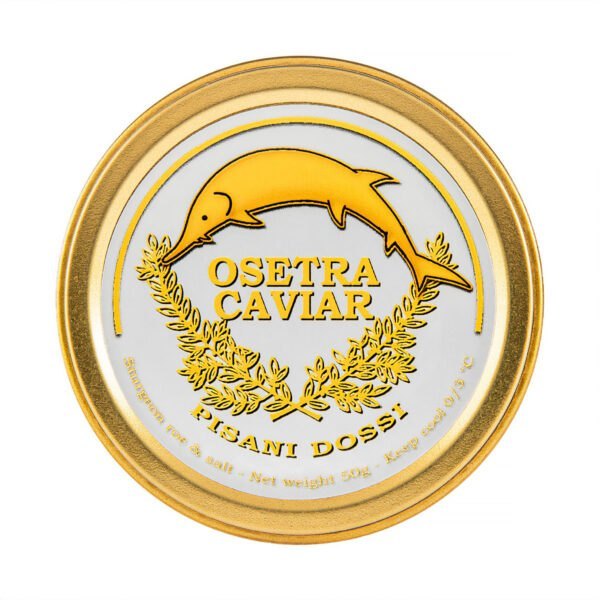
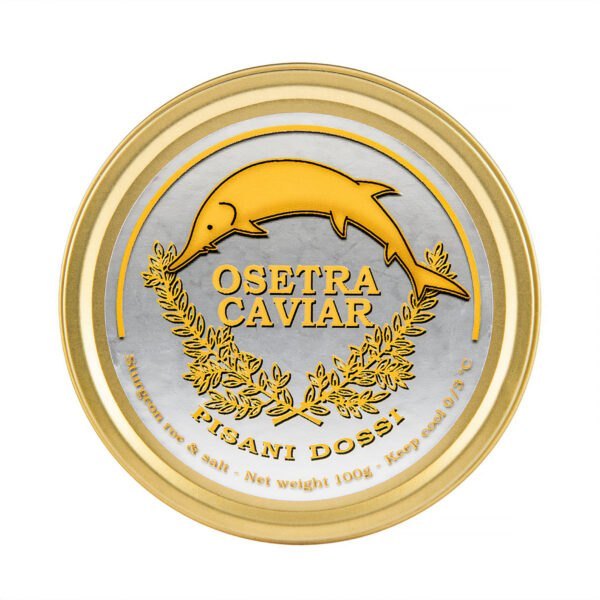
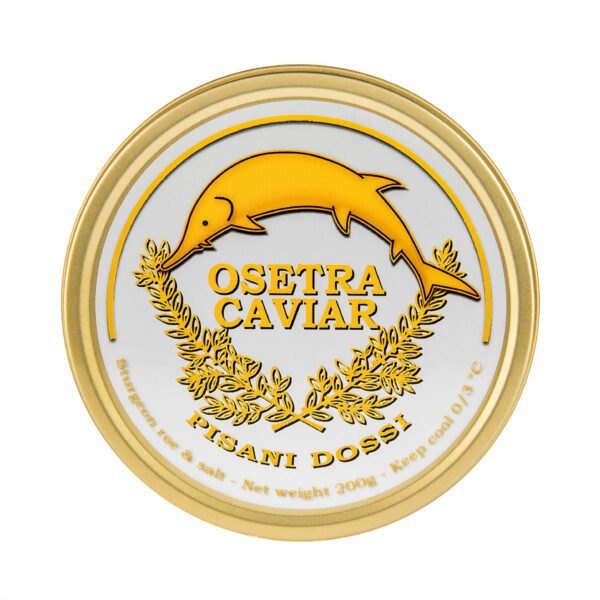
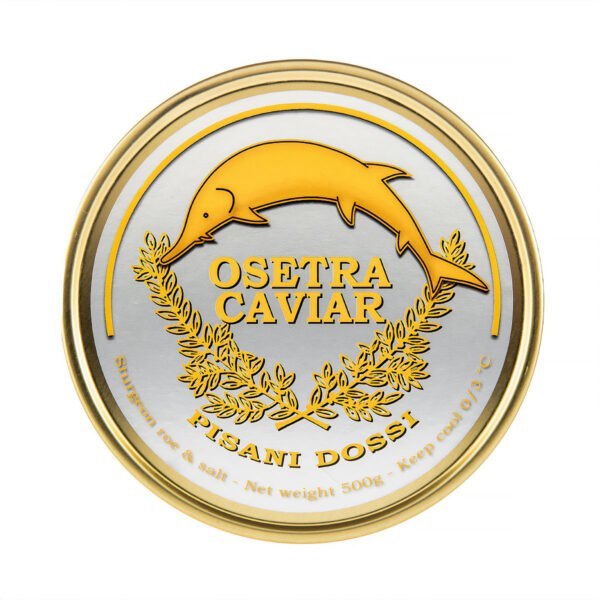
The osetra sturgeon black caviar selection represents the pinnacle of refined taste and texture for special occasions. Russian sturgeon (Acipenser gueldenstaedtii) produces these exceptional eggs that deliver complex flavor profiles. The craftsmanship behind each batch ensures consistency in grain size, color, and quality markers that define top-tier caviar. This variety suits those seeking the most sophisticated option for romantic Valentine’s Day dining experiences.

Sustainable Quality Standards
PremiumCaviar sources exclusively from northern Italian farms that maintain organic practices throughout the production cycle. The sustainable approach protects wild sturgeon populations while delivering caviar that rivals traditional wild varieties. Fresh, unpasteurized preparation preserves nutritional content and delicate textures that define premium products. Swift delivery across Switzerland ensures the caviar arrives fresh and ready for celebration.
Browse the full selection at PremiumCaviar shop to discover the perfect caviar for Valentine’s Day. Contact the team for personalized guidance and consultation on choosing varieties that match specific preferences and serving plans.
Creating an elegant Valentine’s Day caviar experience
Serving caviar properly transforms a simple ingredient into a memorable Valentine’s Day celebration. The presentation methods, accompaniments, and beverage pairings all contribute to the overall experience. Traditional practices have evolved over centuries, creating time-tested combinations that highlight the roe’s natural qualities. Understanding these elements helps beginners create restaurant-quality moments at home.
Selecting appropriate serving utensils and dishes
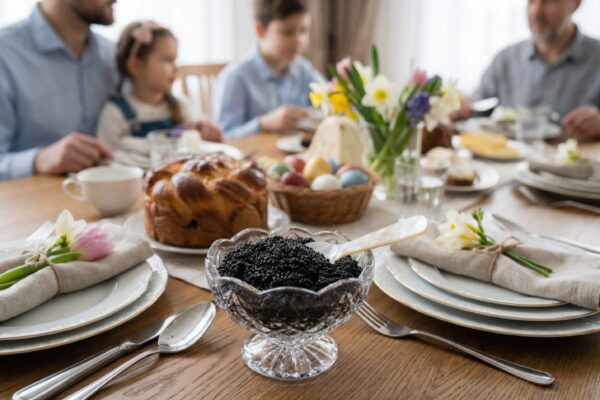
Caviar serving utensils must avoid reactive metals that impart off-flavors to the delicate roe. Mother-of-pearl, bone, or plastic spoons work perfectly without chemical interactions. Metal spoons, especially silver or stainless steel, can create metallic tastes that overpower the subtle caviar flavors. Small serving dishes or the original tin placed on crushed ice maintain proper temperature at the table.
The caviar should rest in a non-metallic bowl or glass container when transferred from its original packaging. Presenting on a bed of crushed ice keeps the roe at optimal serving temperature throughout the meal. Small individual portions let each person control their tasting pace. The visual presentation matters for special occasions, with garnishes and elegant dishware enhancing the romantic atmosphere.
Traditional accompaniments that enhance black caviar flavors
Traditional caviar accompaniments serve as neutral bases that let the roe’s flavor take center stage. Blini, small fluffy pancakes, rank among the most classic pairings with their soft texture and mild taste. Crème fraîche adds creamy richness while its slight tang complements the briny notes in osetra and other varieties. Toast points or plain crackers work beautifully when warm, freshly made options are preferred.
Recommended serving combinations:
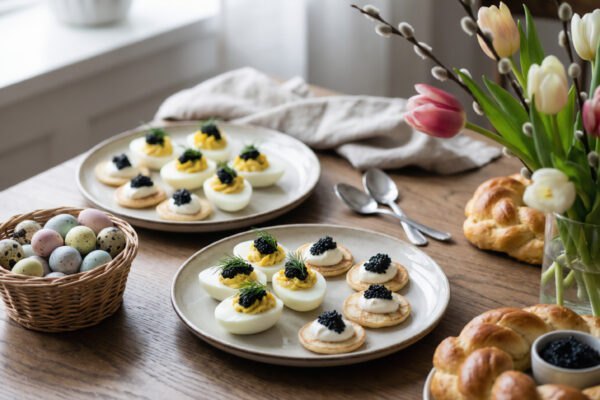
- Blini topped with thin layer of crème fraîche and caviar garnished with fresh chives
- Lightly buttered toast points with caviar and finely chopped hard-boiled egg
- Plain crackers with caviar and squeeze of fresh lemon juice
- New potatoes sliced and topped with sour cream and osetra roe
- Traditional service with minced onions and capers alongside the caviar
The accompaniments should never overwhelm or compete with the caviar’s delicate taste. Room temperature serving lets the full flavor profile emerge without cold-dulled senses. Chives provide a subtle herbal note that enhances rather than masks the roe. Lemon wedges brighten the palate between bites, though some purists prefer tasting caviar unadorned.
These classic pairings have endured because they work, creating balanced bites that highlight the caviar. For Valentine’s Day, arranging a small tasting board with several accompaniment options lets both partners explore different combinations. The interactive nature of building each bite together adds to the romantic experience. Starting with traditional pairings before trying creative variations ensures the fundamental taste profile gets appreciated first.
Pairing beverages with osetra and sturgeon varieties
Beverage pairings for caviar can elevate or diminish the tasting experience depending on the choices made. Champagne stands as the quintessential pairing, with its crisp acidity and effervescence cleansing the palate between bites. The bubbles and refined carbonation help reset taste buds, allowing each serving of caviar to taste fresh. Dry champagne varieties work better than sweet options, which can clash with the briny roe.
Top beverage matches include:
- Brut or extra brut champagne with its clean, dry profile and persistent bubbles
- Chilled vodka served neat, offering a neutral canvas that highlights caviar’s natural flavors
- Chablis or unoaked Chardonnay with mineral-driven characteristics and bright acidity
- Dry sake presenting smooth umami notes that create unexpected harmony
- Premium mineral water as a sophisticated non-alcoholic option maintaining flavor purity
Osetra caviar pairs exceptionally with vintage champagne that shows brioche notes and fuller body. The nutty, buttery qualities in osetra respond well to these richer champagne styles. For contrast-focused pairings, brighter full-bodied champagnes with fruity notes complement saltier osetra characteristics. Rosé champagne brings distinctive fruity elements and effervescent texture that work with modern caviar service.
The serving temperature matters for both caviar and beverages. Champagne should be properly chilled but not ice-cold, allowing its flavors to express fully. Vodka reaches ideal serving state when placed in the freezer for several hours before dinner. The interplay between cold beverages and cold caviar creates a refreshing sensory experience.
Pro tip: Remove the caviar from refrigeration 10 minutes before serving to let it reach near-room temperature. This slight warming allows the full flavor complexity to emerge. Serve champagne or vodka properly chilled to create temperature contrast that enhances the tasting experience while keeping palates refreshed between bites.
FAQ: Frequently Asked Questions
How can beginners tell if caviar has gone bad before serving it on Valentine’s Day?
Spoiled caviar exhibits several warning signs that become apparent through careful inspection. The smell should be mildly briny and oceanic, never strongly fishy or sour. Fresh roe maintains a glossy appearance with translucent, evenly colored eggs that look vibrant. Any cloudiness in the surrounding liquid, grey discoloration, or visible mold indicates the product has deteriorated.
The texture reveals critical information about freshness and proper handling. Fresh caviar eggs feel firm and separate easily without sticking together or appearing mushy. Excess liquid pooling in the container signals structural breakdown from improper storage or temperature fluctuations. Tasting a small amount confirms quality, with good caviar delivering clean, balanced flavors. Harsh bitterness, metallic notes, or chemical sharpness mean the roe should be discarded immediately to avoid foodborne illness.
Which caviar type tastes least fishy for beginners trying it on Valentine’s Day?
Osetra caviar stands as the top recommendation for those concerned about strong seafood flavors. The nutty, buttery taste profile contains minimal briny intensity compared to other varieties. This mild character makes it accessible to palates unaccustomed to caviar or seafood in general. The creamy finish and walnut-like undertones create a refined experience without overwhelming oceanic notes. Sevruga, in contrast, delivers more pronounced mineral content and bolder taste that experienced enthusiasts prefer. Kaluga offers another beginner-friendly option with smooth, subtle flavors resembling butter more than fish. The grain size and texture of osetra also contribute to its popularity, providing satisfying pops without intense bursts of strong flavor.
Should caviar be served at room temperature or cold for the best Valentine’s Day experience?
Serving temperature dramatically affects how flavors and textures present themselves during tasting. The ideal range falls between 26 and 34 degrees Fahrenheit, maintaining coldness while avoiding numbing effects. Keeping caviar properly chilled preserves the delicate membrane structure and prevents spoilage. Serving dishes should also stay cold, either through built-in cooling features or placement on crushed ice.
Removing the container from refrigeration 10 minutes before serving allows slight warming that helps flavor complexity emerge. This brief rest period brings out the subtle nutty and buttery notes characteristic of quality osetra. Serving caviar too cold numbs the palate and masks the refined taste qualities. Room temperature storage, conversely, leads to rapid deterioration and off flavors within hours. The balance between proper cold storage and optimal serving temperature creates the memorable tasting experience Valentine’s Day celebrations deserve.
What mistakes do first-time caviar buyers make most often when shopping for Valentine’s Day?
The most common error involves purchasing too far in advance without understanding the limited shelf life after opening. Sealed containers last up to four weeks refrigerated, but opened caviar deteriorates within 48 to 72 hours. Buying a week before Valentine’s Day creates storage challenges and freshness concerns. Another frequent mistake includes selecting the wrong quantity, either buying too much that goes to waste or too little that feels disappointing.
Storage temperature mistakes rank among the most damaging errors newcomers make. Standard refrigerator settings run warmer than the optimal 0 to 4 degrees Celsius range caviar requires. Failing to monitor temperature or place containers in the coldest zones leads to premature spoilage. Freezing represents another critical error that permanently damages the delicate roe structure. Metal utensils impart unwanted metallic tastes that ruin the refined flavor profile. Skipping research about different varieties means missing the chance to select types matching personal taste preferences.
Can caviar be prepared or arranged in advance for Valentine’s Day dinner service?
Advance preparation for caviar service requires careful planning within specific time constraints. The container can be placed on crushed ice in serving dishes up to one hour before guests arrive. This setup maintains proper temperature while creating elegant presentation. Accompaniments like blini, crème fraîche, and chopped garnishes can be prepared several hours ahead and refrigerated separately.
Opening the caviar container itself should happen as close to serving time as possible to maximize freshness. Exposure to air accelerates quality decline, making early opening counterproductive. Setting out serving utensils, arranging plates, and organizing the table can all occur beforehand. The actual caviar service works best when done shortly before the meal begins, allowing everyone to taste it at peak condition. Planning the timeline so caviar comes out last after other preparations are complete ensures the most impressive Valentine’s Day presentation.
Is it safe to eat caviar for the first time during a special Valentine’s Day celebration?
Caviar safety depends entirely on purchasing from reputable sources and following proper storage guidelines. High-quality roe from trusted suppliers undergoes careful processing that makes it perfectly safe for consumption. The curing process using salt preserves the eggs while maintaining their delicate nature. Farm-raised caviar from regulated facilities meets strict food safety standards that protect consumers.
Proper refrigeration throughout the supply chain and at home ensures the product remains safe to eat. Checking expiration dates and inspecting for signs of spoilage before serving provides additional safety assurance. First-time tasters might experience rich, intense flavors but should not worry about adverse reactions when the caviar is fresh and properly handled. Allergies to fish or shellfish warrant caution, though caviar comes from sturgeon rather than typical fish species. Starting with small portions allows newcomers to gauge their response to this delicacy. Valentine’s Day represents an excellent occasion for trying caviar, provided the product comes from reliable sources and stays properly chilled.
Conclusion
Selecting black caviar for Valentine’s Day becomes manageable when armed with the right knowledge about types, quality markers, and serving practices. Osetra and other sturgeon caviar varieties each bring unique characteristics that can match different preferences and budgets. Understanding the distinction between grades, processing methods, and physical attributes helps buyers make confident decisions. The investment in quality caviar pays off when proper storage maintains freshness and correct serving techniques highlight the delicacy’s refined nature.
The journey from purchase to plate involves multiple considerations that affect the final experience. Temperature control throughout storage and transport preserves the delicate roe structure. Traditional accompaniments and beverage pairings create balanced flavor combinations that enhance rather than overwhelm. Starting with moderate quantities of farm-raised osetra gives beginners an excellent entry point to this world.
Valentine’s Day represents the perfect occasion to explore this refined delicacy with someone special. The ritual of serving and tasting caviar together creates intimate moments that extend beyond just eating. With proper preparation and attention to these guidelines, even first-time buyers can orchestrate restaurant-quality experiences at home. The knowledge gained from that initial purchase builds confidence for future caviar adventures throughout the year.