
The world of caviar contains numerous terms and designations. Malossol stands out as one of the most misunderstood yet significant labels. This Russian word appears on premium caviar containers worldwide. Many buyers see the term without grasping its true meaning or importance.
The designation malossol carries weight far beyond simple translation. This term represents centuries of preservation techniques from the Caspian region. Russian caviar masters developed this method during the 19th century. The approach transformed how the finest sturgeon eggs reach discerning palates. Today, malossol remains the gold standard for top-tier caviar products.
Understanding malossol helps buyers make informed purchasing decisions. The term signals specific processing methods and quality levels. Salt content, preservation techniques, and flavor profiles all connect to this single word. Proper knowledge separates authentic products from misleading labels in today’s market.
The linguistic origins and historical background of malossol terminology
The term malossol comes directly from Russian language roots. The word combines two parts: “malo” means little, and “sol” means salt. This literal translation reveals the core concept behind the technique. Russian speakers would understand this as “lightly salted” or “little salt” when describing preserved foods.
Tracing the meaning of low salt preservation methods
Salt has preserved perishable foods for thousands of years across cultures. Ancient civilizations discovered that salt prevents bacterial growth in fish products. Heavy salting allowed long-term storage without refrigeration. The caviar trade relied on this method to transport sturgeon eggs from distant fishing grounds.
Russian caviar producers faced a constant challenge during pre-refrigeration eras. Excessive salt protected caviar during long journeys but compromised taste. The finest eggs possessed delicate flavors that heavy salt masked. Aristocrats and Persian traders demanded better preservation methods. Skilled artisans began experimenting with minimal salt applications.
The development of low-salt preservation marked a turning point. Caviar masters discovered the minimum salt needed to prevent spoilage. This balance preserved freshness while maintaining natural flavors. The technique required exceptional quality sturgeon eggs to start. Only the freshest roe could withstand such light treatment.
How traditional sturgeon processing evolved in the Caspian region
The Caspian Sea basin became the epicenter of caviar production. Russia and Persia controlled the richest sturgeon populations on Earth. The Volga River fed into this sea, creating perfect breeding conditions. Wild sturgeon thrived in these waters for millennia.
Fishermen developed specialized skills in handling fresh sturgeon roe. Time became critical from the moment of harvest. Eggs needed processing within hours to maintain peak quality. Russian caviar houses established processing facilities near fishing areas. Masters evaluated each batch based on color, size, and firmness.
The 18th and 19th centuries saw refinement of malossol techniques. Aristocratic demand pushed producers toward superior quality over quantity. Caviar masters learned precise salt ratios through years of experimentation. Each sturgeon species required slight adjustments to the formula. The knowledge passed through generations of specialized craftsmen.
When the term became standardized in international caviar trade
The Russian Empire dominated global caviar markets during the 1800s. Russian terminology naturally became industry standard language. French consumers adopted Russian words like “malossol” without translation. The term signified quality that needed no explanation.
International trade routes expanded caviar distribution beyond Europe. American markets developed appetite for premium Russian caviar. The malossol designation traveled with exported products. Buyers learned to associate this word with superior taste and quality.
Modern aquaculture operations maintain traditional malossol methods. Farms in Russia’s Astrakhan region continue centuries-old practices. The term gained legal recognition in international trade regulations. CITES labeling requirements now acknowledge malossol as a distinct category.
Technical specifications and salt percentage requirements
Salt percentage defines the malossol classification at its core. This precise measurement separates malossol from other preservation methods. The caviar industry recognizes specific ranges as authentic malossol. Variations exist, but boundaries remain relatively consistent.
Understanding the precise salt content range for malossol classification
Malossol caviar contains between 3% and 5% salt by weight. Some producers target the lower end around 2.8% to 4%. Connoisseurs consider 3.7% or less the ideal range. These narrow margins require meticulous measurement during processing.
A standard 500-gram tin demonstrates the practical application. The container holds approximately 470 to 480 grams of caviar. Salt accounts for roughly 20 to 30 grams of total weight. This ratio maintains preservation while allowing natural flavors to dominate.
Key salt percentage benchmarks:
- Traditional malossol range: 3-5% salt content
- Connoisseur preference: 3.7% or lower
- European standards: 2.8-4% for premium grades
- Minimum preservation threshold: 2.8% to prevent spoilage
Producers must balance preservation needs against flavor profiles. Too little salt allows rapid bacterial growth. Excessive salt crosses into heavily salted categories. The sweet spot requires both science and traditional knowledge.
Comparing malossol to heavily salted preservation techniques
Traditional salting methods used 10% or higher salt concentrations. These heavily preserved products could survive months without refrigeration. Markets in distant regions depended on such robust preservation. The trade-off came in taste and texture.
Heavily salted caviar develops pronounced briny characteristics. Salt draws moisture from the eggs through osmotic pressure. The eggs become darker and firmer during this process. Natural sturgeon flavors recede behind the salt intensity.
| Preservation Method | Salt Content | Shelf Life | Flavor Profile | Texture |
|---|---|---|---|---|
| Malossol | 3-5% | 4 weeks refrigerated | Natural, delicate | Soft, buttery |
| Lightly Salted | 6-8% | 2-3 months | Mild brine | Firm |
| Heavily Salted | 10%+ | 6+ months | Strong salt | Very firm |
The malossol method represents modern luxury standards. Refrigeration eliminated the need for heavy salt preservation. Buyers gained access to caviar closer to its natural state. This transformation elevated caviar from preserved fish product to delicacy.
How salt concentration affects shelf life and stability
Salt acts as a natural preservative by inhibiting bacterial growth. Lower salt content reduces this protective barrier. Malossol caviar becomes more perishable than heavily salted varieties. The product requires careful temperature management from production to consumption.
Unopened malossol caviar maintains quality for approximately four weeks. Storage temperature must remain between -2°C and 0°C. Standard refrigerators run too warm at 3-4°C. The coldest section of home refrigerators becomes necessary.
Opened containers face accelerated deterioration. Air exposure introduces bacteria and oxidation. Consumption within three to five days ensures optimal quality. Each day beyond opening diminishes the taste experience.
Temperature fluctuations damage caviar structure more than stable warmth. The delicate egg membranes rupture under thermal stress. Placement in refrigerator doors causes the most damage. Back shelves provide the steadiest cold environment.
Quality control measures used to verify proper salting levels
Professional caviar houses employ multiple verification methods. Electronic refractometers measure salt concentration in brine. Sample testing occurs throughout the salting process. Masters taste-test batches before final packaging.
The salting process demands precision timing and technique. Fresh roe receives gentle salt application immediately after harvest. Salt distributes evenly through careful manual mixing. The eggs rest for specific durations based on temperature and batch size.
Visual inspection reveals salting quality to trained eyes. Properly salted eggs maintain consistent color and sheen. Over-salted eggs appear darker and somewhat shriveled. Under-salted batches show signs of membrane weakness.
Temperature monitoring accompanies salt measurement throughout processing. Warmer conditions require slightly higher salt content. Cooler environments allow lower salt percentages. Modern facilities maintain strict climate control during production.
Pro tip: Ask sellers for the exact salt percentage when buying malossol caviar. Reputable dealers know their product specifications and share this information openly. Values below 4% indicate premium quality commitment.
Impact on flavor profile and texture characteristics
The flavor profile of malossol caviar distinguishes it from all other preparations. Minimal salt allows the true character of sturgeon eggs to emerge. Tasters experience the fish species’ natural qualities without heavy seasoning. This purity explains why malossol commands premium status.
Why minimal salt allows natural sturgeon egg taste to dominate
Sturgeon roe contains complex natural flavors before any processing. Fresh eggs taste slightly sweet with marine notes. Butter, cream, and hazelnut undertones appear in high-quality specimens. These subtle characteristics vanish under excessive salt.
Salt suppresses the palate’s ability to detect delicate tastes. Heavy seasoning masks rather than enhances natural flavors. The malossol approach trusts the inherent quality of sturgeon eggs. Only the finest roe justifies such minimal intervention.
Characteristic flavor notes in malossol caviar:
- Initial sweetness reminiscent of butter and cream
- Nutty undertones similar to almonds or walnuts
- Light marine hints without overwhelming fishiness
- Clean finish that lingers without salt burn
Different sturgeon species express unique flavor signatures. Beluga tends toward creamy, buttery notes. Osetra presents more complex nutty characteristics. Sevruga develops stronger marine flavors. Malossol processing reveals these distinctions clearly.
The delicate texture that results from light preservation
Salt concentration directly affects egg membrane integrity. Heavy salt causes osmotic pressure that firms the eggs. The membranes thicken and toughen under high salt exposure. Malossol eggs retain their natural softness and suppleness.
Properly prepared malossol caviar feels tender on the palate. Each egg should pop gently when pressed against the roof of the mouth. The release should feel smooth rather than rubbery. Texture quality indicates both freshness and proper salt balance.
Grain firmness varies slightly between sturgeon species and ages. Younger fish produce smaller eggs with delicate membranes. Mature sturgeon yield larger eggs with more robust structure. Malossol processing preserves these natural variations.
Temperature at service affects perceived texture. Caviar served too cold feels hard and loses flavor. Room temperature exposure softens eggs but risks spoilage. The ideal serving temperature falls between 28-32°F.
How malossol processing preserves the buttery mouthfeel
The sensation known as buttery mouthfeel defines premium caviar experiences. This quality comes from the natural oils within sturgeon eggs. Fat content creates richness that coats the palate. Salt can interrupt this sensation when applied too heavily.
Malossol eggs release their oils gradually during tasting. The fats blend with minimal salt to create balanced richness. Tasters perceive creaminess rather than greasiness. This smoothness distinguishes top-tier products from lower grades.
The eggs should melt on the tongue without excessive chewing. Proper malossol caviar requires only gentle pressure to release flavors. Firm eggs that need chewing indicate over-salting or aging. Fresh malossol demonstrates perfect tenderness throughout.
Professional tasters evaluate mouthfeel as a primary quality indicator. The sensation should progress from initial pop to creamy finish. Lingering richness confirms proper oil content and salt balance. Any harshness or dryness suggests processing problems.
Pro tip: Let malossol caviar rest on the tongue for several seconds before tasting. The warmth releases volatile compounds that carry aroma and flavor. Chewing immediately masks the subtle characteristics that make malossol special.
Modern industry standards and labeling regulations
Labeling regulations govern how producers can market malossol caviar. International agreements establish minimum standards for authenticity. These rules protect consumers from misleading product claims. Enforcement varies by region but continues growing stricter.
Legal requirements for using the malossol designation
CITES (Convention on International Trade in Endangered Species) mandates universal caviar labeling. All sturgeon products crossing borders require non-reusable labels. These labels contain specific information codes identifying source and origin. Malossol designation appears as part of this standardized system.
Primary caviar containers must display certain required information. The label needs sturgeon species, country of origin, and processing year. Harvest type (wild or farmed) requires clear indication. Repackaged products need full traceability documentation.
The European Union enforces additional consumer protection standards. Labeling must state processing methods in clear language. Salt content disclosure becomes mandatory for products claiming malossol status. Penalties for mislabeling include market bans and substantial fines.
United States regulations focus on species accuracy and food safety. The FDA requires proper handling certifications for imported caviar. Truth in labeling laws prevents false quality claims. Domestic producers must follow similar disclosure requirements.
Certification processes that verify authentic low salt methods
Independent testing laboratories analyze caviar samples for compliance. Salt percentage testing uses standardized refractometer methods. Results must fall within declared ranges for product release. Batch testing occurs at production facilities and import points.
Quality certifications come from industry associations and government agencies. Russia’s Federal Fisheries Agency certifies domestic producers. European certification bodies verify imports meet continental standards. These stamps authenticate processing methods and salt content.
Traceability systems track caviar from sturgeon to consumer. Digital codes link each container to harvest and processing records. Buyers can verify product authenticity through online databases. This transparency reduces counterfeit product circulation.
Premium producers often exceed minimum regulatory requirements. Third-party audits verify adherence to traditional malossol methods. Some companies publish salt content ranges on packaging. Transparency builds consumer trust and justifies higher pricing.
Common mislabeling practices consumers should recognize
The term malossol sometimes appears on products exceeding 5% salt. Producers exploit consumer unfamiliarity with Russian terminology. No official body polices every label claim worldwide. Buyers need knowledge to identify suspicious products.
Some containers display “malossol style” rather than genuine malossol. This qualifier allows higher salt content while implying quality. The distinction matters when comparing products and evaluating value. True malossol never needs qualifiers or asterisks.
Warning signs of misleading malossol claims:
- Salt content above 5% with malossol designation
- Lack of specific salt percentage information
- Unusually long shelf life claims (over 6 weeks)
- Significantly lower prices than comparable products
- Missing CITES labels on international products
Pasteurized caviar cannot qualify as authentic malossol. Heat treatment alters texture and flavor profiles permanently. Some sellers use “malossol” for pasteurized products anyway. Read labels carefully to distinguish fresh from treated caviar.
Country of origin matters for authenticity verification. Traditional malossol comes from regions with sturgeon expertise. Products from areas without sturgeon history deserve extra scrutiny. Research producer backgrounds before major purchases.
Pro tip: Request laboratory analysis certificates when buying expensive malossol caviar. Serious sellers maintain documentation proving salt content and species accuracy. Reluctance to provide certificates suggests potential quality issues.
Premium fresh malossol black caviar without preservatives at PremiumCaviar Shop
PremiumCaviar brings authentic malossol caviar to discerning customers through traditional processing methods. The Swiss boutique specializes in fresh black caviar sourced from sustainable Italian farms. Each product maintains the low-salt standards that define genuine malossol preparation. The collection features hand-processed sturgeon roe without any artificial preservatives or additives.
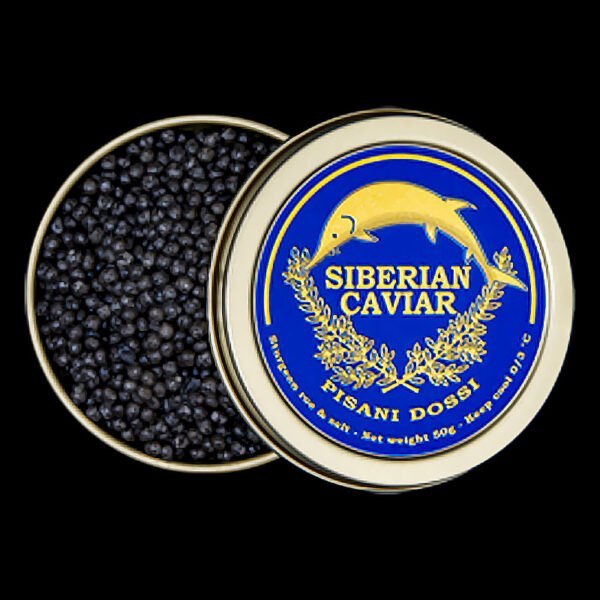
Authentic Siberian Sturgeon Selection
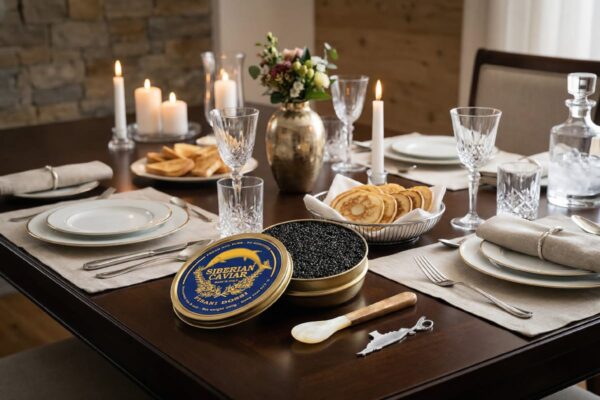
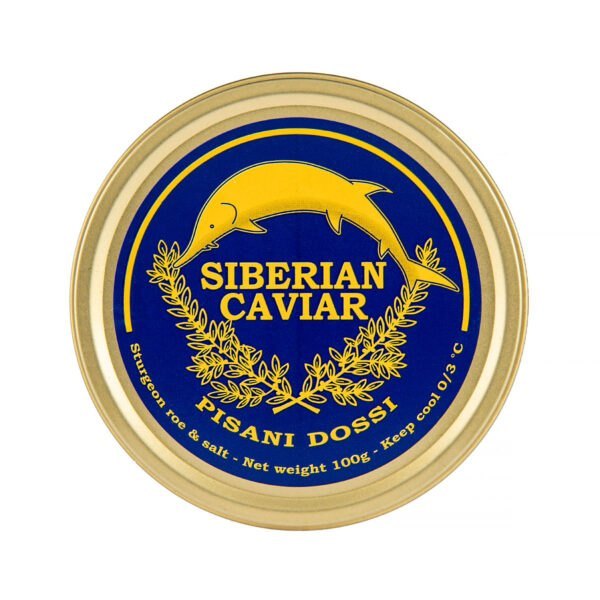
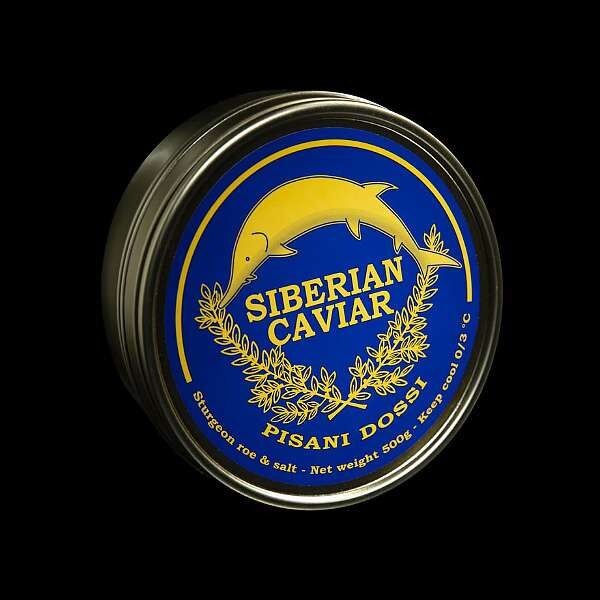
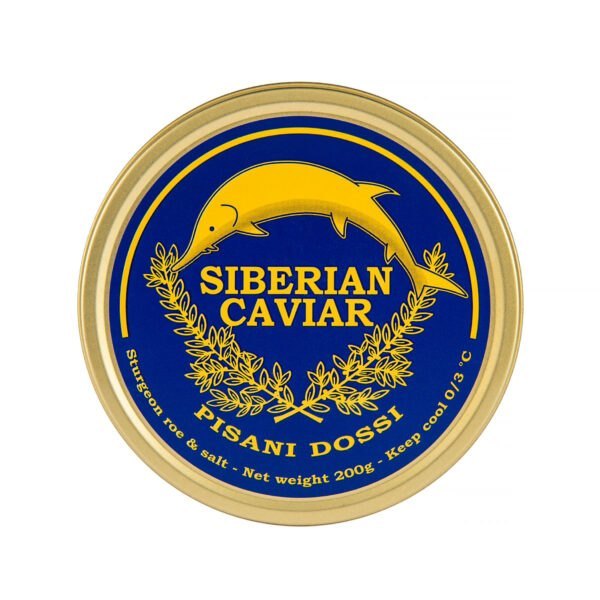
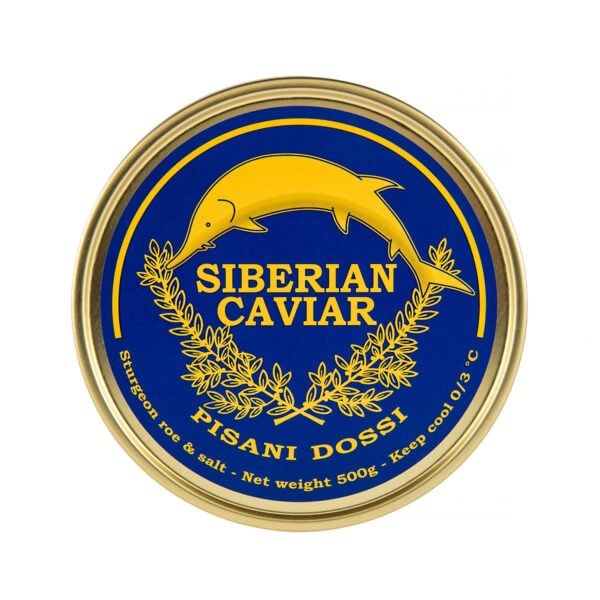
The Premium Siberian Sturgeon Caviar Collection showcases Acipenser baerii raised in pristine northern Italian waters. These eggs measure 2.6 to 3.0 mm with fine-grained texture. The flavor profile develops from mild initial notes into subtle hazelnut undertones. Wild berry hints complete the balanced taste experience. Traditional malossol processing preserves the natural characteristics while maintaining freshness. Salt content remains within the 3-5% range that defines premium quality.

Exceptional Osetra Varieties
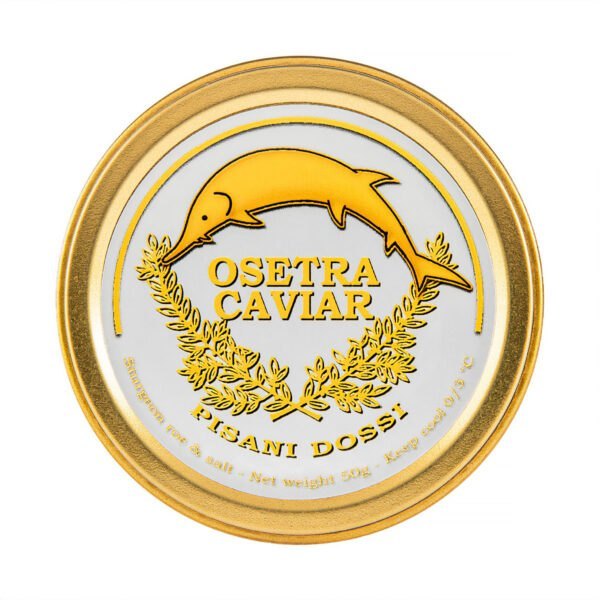
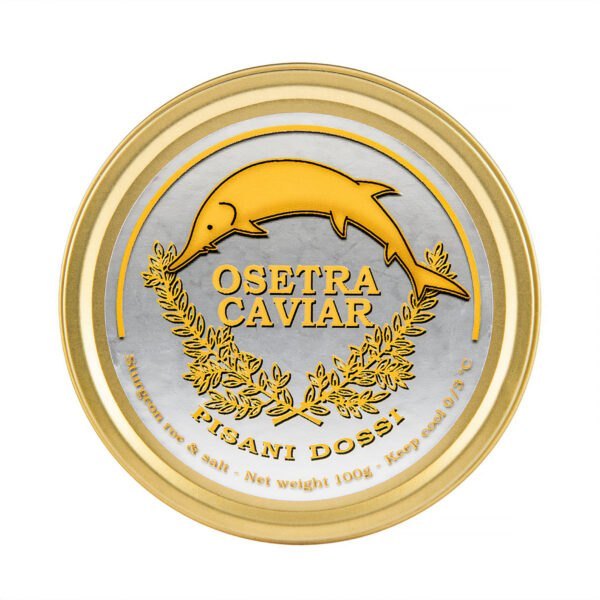
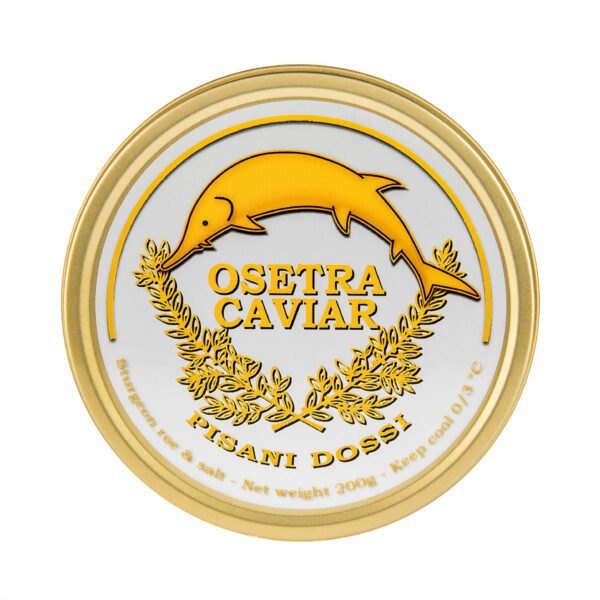
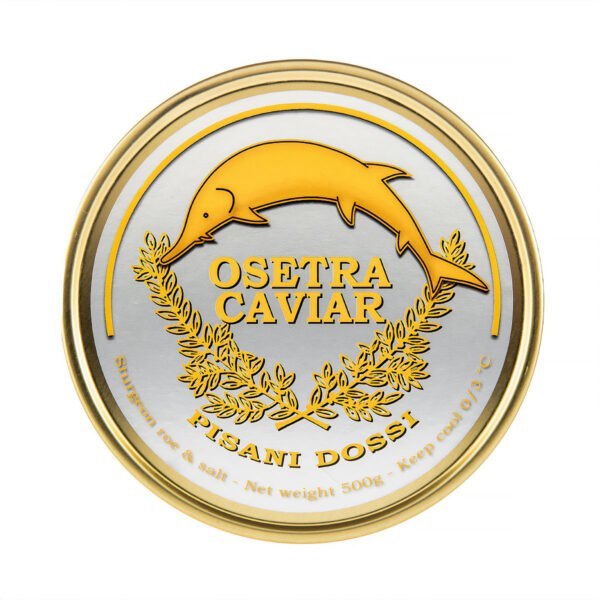
Premium Osetra caviar represents the pinnacle of Italian sturgeon aquaculture. This variety comes from hybrid crossings between Russian and Siberian sturgeon species. Grains measure 2.9 to 3.2 mm, creating substantial mouthfeel. The taste delivers delicious mild notes with distinctive walnut aftertaste. Production occurs primarily from October through March during optimal maturity cycles. Limited seasonal availability makes Osetra particularly exclusive among caviar selections.

Natural Processing Without Additives
PremiumCaviar maintains strict adherence to traditional malossol techniques. Hand processing ensures grain integrity throughout preparation stages. No preservatives or artificial substances enter the production chain. Each batch undergoes meticulous quality control from harvest through packaging. Female sturgeon selection involves careful monitoring until egg maturity peaks. The sustainable farming approach respects both environmental standards and traditional craftsmanship.
Explore the complete malossol caviar collection at PremiumCaviar’s online shop. Both Siberian and Osetra varieties arrive fresh with proper documentation. Contact the support team for personalized assistance selecting appropriate products. Expert consultation helps match specific preferences with available selections.
Practical implications for buyers and storage considerations
Storage requirements for malossol caviar exceed those of heavily salted varieties. The lower salt content demands strict temperature control. Proper handling determines whether buyers enjoy premium quality or disappointing taste. Knowledge of storage needs protects the investment in top-tier products.
Why malossol caviar requires stricter temperature control
The ideal storage range for malossol caviar spans only four degrees Fahrenheit. Temperatures between -2°C and 0°C maintain optimal quality. Standard home refrigerators cannot reliably achieve this narrow band. Most units cycle between 2°C and 4°C during normal operation.
Lower salt content provides less protection against bacterial growth. Warmer temperatures accelerate spoilage in lightly preserved foods. Each degree above 32°F shortens viable shelf life measurably. The eggs’ delicate membranes deteriorate faster without salt’s protective effect.
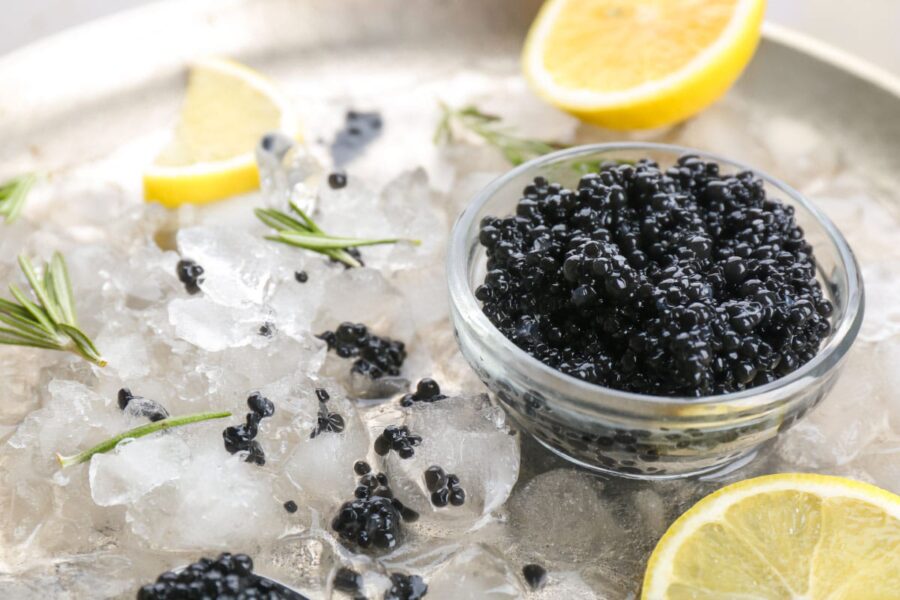
Creating proper storage conditions at home requires planning. The coldest refrigerator section sits at the back of bottom shelves. Placing caviar there helps but may not reach ideal temperatures. Some enthusiasts nest containers in crushed ice within the refrigerator.
Temperature fluctuations cause more damage than consistent cool storage. Opening refrigerator doors frequently raises internal temperatures. Caviar near doors experiences the most dramatic swings. Stable placement away from traffic maintains better quality.
Shorter shelf life compared to traditionally salted varieties
Unopened malossol caviar remains at peak quality for four weeks maximum. This timeline assumes perfect storage conditions throughout. Heavily salted caviar survives six months or longer. The dramatic difference reflects salt’s preservation power.
Transport time affects remaining shelf life at purchase. Caviar shipped internationally may be weeks old already. Domestic products from nearby farms arrive fresher. Ask retailers about receipt dates before buying.
Opening the container starts a countdown to consumption. Air exposure introduces oxidation and potential contamination. Opened malossol caviar should be consumed within three to five days. Each passing day diminishes flavor intensity and texture quality.
Freezing malossol caviar damages the delicate egg structure. Ice crystals rupture cell membranes during freezing. Thawed caviar becomes mushy and loses characteristic pop. Fresh consumption remains the only acceptable approach.
Premium pricing justified by superior taste and quality
Malossol caviar costs more than heavily salted alternatives. The price difference reflects multiple quality and processing factors. Lower salt preservation requires fresher starting material. Only the finest eggs withstand minimal salt treatment.
Shorter shelf life creates logistics challenges for sellers. Retailers cannot stock malossol as deeply as stable products. Faster turnover requirements increase operational costs. These expenses transfer to consumer pricing.
The taste difference justifies premium costs for serious buyers. Malossol reveals flavor complexity impossible in salted products. Tasters experience sturgeon characteristics rather than preservation methods. This purity creates the luxury caviar market.
Value factors that support malossol pricing:
- Superior taste with natural sturgeon flavors
- Delicate texture that melts on the palate
- Limited production due to quality requirements
- Shorter shelf life requiring rapid distribution
- Strict temperature control throughout supply chain
- Traditional processing by skilled artisans
Discerning buyers view malossol caviar as an investment in authentic culinary experience. The cost per gram reflects decades of aquaculture expertise and careful handling. Each tin represents months of sturgeon maturation under controlled conditions. Farms invest substantial resources maintaining water quality and optimal feeding programs. Processing facilities employ master craftsmen trained in traditional Russian methods. These specialists possess skills developed through years of hands-on experience. The final product delivers taste and texture impossible to replicate through modern shortcuts. Buyers receive genuine luxury that justifies the financial commitment through sensory satisfaction.
Identifying genuine malossol products in the marketplace
Reputable dealers provide detailed product information proactively. Labels should state exact salt percentage ranges. Species identification using scientific names indicates quality consciousness. CITES codes must appear on international products.
Physical inspection reveals quality indicators before purchase. The eggs should appear uniform in size and color. Broken eggs or excessive liquid suggest handling problems. Fresh malossol has subtle marine aroma without fishiness.
Ask specific questions about harvest dates and storage history. Knowledgeable sellers track their inventory carefully. Vague answers or evasiveness suggests questionable sourcing. Premium caviar dealers take pride in product knowledge.
Compare prices across multiple reputable sources before buying. Malossol costs more but not exponentially more than good caviar. Suspiciously low prices indicate quality compromises or mislabeling. Research typical price ranges for specific sturgeon species.
Pro tip: Buy malossol caviar from temperature-controlled display cases only. Caviar sitting at room temperature has already suffered damage. Watch how staff handle products during purchase. Professional operations maintain cold chain continuously until customer receives goods.
FAQ: Frequently Asked Questions
Can you taste the difference between malossol and regular salted caviar?
The taste difference between malossol and heavily salted caviar remains quite noticeable. Malossol caviar with its 3-5% salt content allows natural sturgeon flavors to dominate. Tasters experience butter, cream, and nutty notes that shine through. Regular salted caviar contains 8-10% or more salt. This higher concentration masks the delicate egg flavors beneath briny intensity. The salt overwhelms the palate and hides subtle characteristics.
Texture differences also contribute to the distinct tasting experience. Malossol eggs remain soft and tender, melting smoothly on the tongue. Heavily salted varieties develop firmer texture and require more chewing. The natural oils in malossol caviar coat the mouth pleasantly. Salted versions feel drier and less creamy during consumption. Experienced tasters identify malossol instantly from the first bite.
Does malossol caviar need to be kept frozen?
Malossol caviar should never be frozen under normal circumstances. Freezing damages the delicate egg membranes beyond repair. Ice crystals form inside each egg during the freezing process. These crystals rupture the thin walls that give caviar its signature texture. Thawed caviar becomes mushy, loses its characteristic pop, and weeps excessive liquid. The refined eating experience disappears completely after freezing.
The proper storage temperature ranges from -2°C to 0°C without freezing. This cold zone preserves freshness while protecting membrane integrity. Standard refrigerators run too warm at 3-4°C for optimal storage. Place containers in the coldest section, typically rear bottom shelves. Some buyers nest caviar in crushed ice inside refrigerators. This method maintains ideal temperatures without freezing damage.
Is malossol caviar healthier than heavily salted caviar?
Malossol caviar contains significantly less sodium than traditional salted varieties. A serving holds approximately 240-400 mg of sodium compared to heavily salted versions. High-salt caviar can contain 800 mg or more per serving. Lower sodium benefits people monitoring cardiovascular health and blood pressure. The reduced salt content makes malossol suitable for sodium-restricted diets.
Both types provide the same nutritional benefits from sturgeon roe. Caviar delivers omega-3 fatty acids, vitamin B12, and selenium. These nutrients support brain function, heart health, and immune system strength. The protein content remains identical across preservation methods. Iron and other minerals exist in equal amounts regardless of salt. The health advantage of malossol comes purely from lower sodium content. The natural nutrients from sturgeon eggs remain unchanged by salting techniques.
Can malossol caviar be made from any type of fish eggs?
Authentic malossol caviar comes exclusively from sturgeon species. Beluga, Osetra, and Sevruga sturgeon produce the traditional varieties. These prehistoric fish create eggs suitable for light salt preservation. Only sturgeon roe possesses the membrane strength and flavor profile for malossol processing. The term specifically refers to lightly salted sturgeon eggs, not other fish products.
Salmon, trout, and paddlefish eggs undergo different curing methods. These alternatives lack the delicate characteristics needed for malossol treatment. Their membranes cannot withstand the minimal salt approach. Marketing these as malossol would be inaccurate and misleading. The Russian term carries specific meaning within sturgeon caviar traditions. True malossol represents centuries of sturgeon processing expertise from Caspian regions.
Why does authentic malossol caviar have such a short shelf life?
The minimal salt content directly causes the brief shelf life. Salt acts as a natural preservative by preventing bacterial growth. Malossol uses only 3-5% salt compared to 10% in traditional methods. This light application provides less protection against spoilage. Bacteria multiply faster in low-salt environments even under refrigeration.
Unopened malossol caviar lasts approximately four weeks under perfect conditions. Opened containers require consumption within three to five days. The delicate egg membranes begin breaking down once exposed to air. Temperature fluctuations accelerate deterioration regardless of packaging. Each degree above 0°C shortens viable quality time. Fresh sturgeon roe naturally remains highly perishable. The malossol method prioritizes taste over extended storage capability. Buyers trade shelf stability for superior flavor and texture.
Conclusion
The term malossol represents far more than simple translation from Russian. This designation embodies centuries of caviar craftsmanship from the Caspian region. Salt content between 3% and 5% defines the technical specification. The careful balance preserves freshness while allowing natural flavors to dominate.
Understanding malossol helps buyers navigate the caviar marketplace with confidence. Authentic products require strict temperature control and rapid consumption. The delicate preservation method creates shorter shelf life than traditional salting. These practical limitations justify premium pricing that reflects superior quality. Flavor profiles, buttery texture, and clean finish distinguish genuine malossol from imitations.
Modern regulations attempt to protect the malossol designation from misuse. CITES labeling and certification processes verify authentic low-salt methods. Consumers still need knowledge to identify misleading claims on packaging. The investment in true malossol caviar rewards educated buyers with the finest sturgeon experience available. Proper storage and handling preserve the quality that makes this delicacy worth seeking out.