
Malossol black caviar represents one of the world’s most refined delicacies. The term “malossol” comes from Russian, meaning “lightly salted.” This preparation method uses less than five percent salt content. The minimal salt allows the natural flavors to remain pure and delicate.
Tasting this delicacy requires more than just eating fish eggs. Proper etiquette transforms the experience from simple consumption into refined appreciation. The right techniques preserve the delicate texture and subtle flavors. Each step matters when working with such a refined food.
Understanding correct tasting procedures helps guests feel confident at formal events. The rules protect both the quality of the caviar and social harmony. These guidelines evolved over centuries across different cultures. Mastering them shows respect for tradition and the craftsmanship behind each tin.
Preparing yourself and the environment for optimal tasting conditions
Preparation sets the foundation for successful caviar tasting. The environment affects how well taste buds can detect subtle flavors. Temperature, lighting, and noise levels all play a role. Even small details can change the tasting outcome.
The space should allow focus without strain. Harsh lighting or strong odors disrupt the sensory experience. A calm setting helps identify the fine differences between varieties. Professional tasters control every aspect of their surroundings.
Setting the ideal serving temperature before beginning
Temperature control determines whether caviar reveals its full character. The ideal serving range sits between -2.2 and 1.1 degrees Celsius. This temperature keeps eggs chilled without freezing them solid. Too cold, and the fat molecules tighten, making eggs hard.
When caviar feels icy on the tongue, the temperature dropped too low. The eggs should feel cold and refreshing, not numbing. Store the unopened tin in the coldest part of the refrigerator. Place it on crushed ice just before serving to maintain proper temperature.
Room temperature caviar turns oily and loses its clean taste. The brine becomes too strong when eggs get warm. Remove tins from ice only for brief moments during service. Return them quickly to maintain the chill.
Cleansing your palate with appropriate neutral foods
A clean palate ensures accurate flavor detection. Neutral foods prepare taste buds without adding competing flavors. Traditional accompaniments include plain crackers or blini. These mild bases support caviar without overwhelming it.
Recommended palate cleansers:
- Unflavored water crackers
- Plain blini or small buckwheat pancakes
- Thinly sliced cucumber
- Plain brioche toast points
Avoid heavily spiced or sweet foods before tasting. Strong coffee or spicy dishes linger on the palate for hours. Wait at least 30 minutes after eating strong flavors. Drink room temperature water between different caviar varieties.
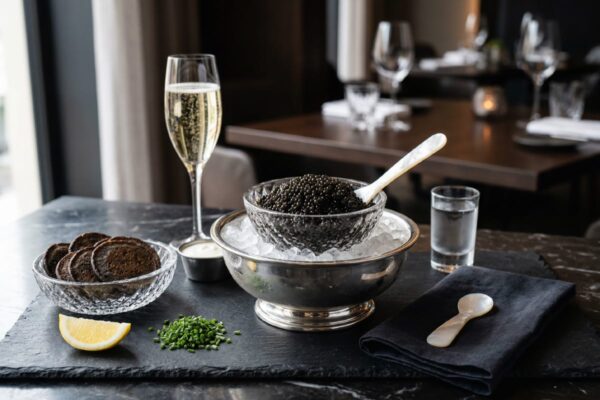
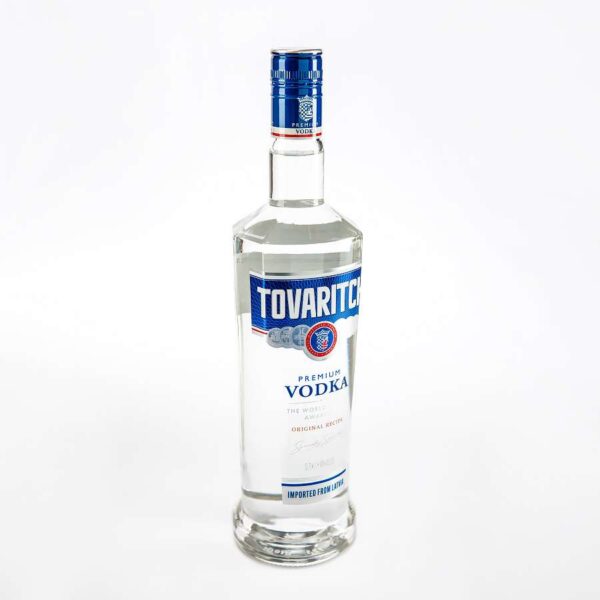
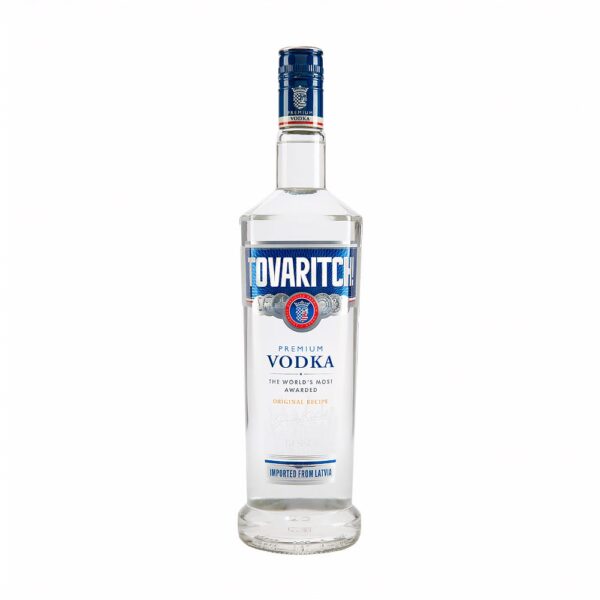
Champagne or chilled vodka also serve as traditional palate cleansers. The bubbles in champagne refresh the mouth between tastings. Vodka’s neutral character resets taste buds without adding flavors. Both drinks should be served ice cold.






Selecting the right glassware and accompaniments in advance
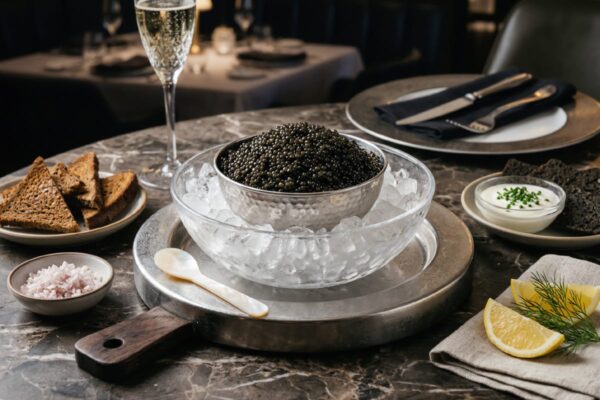
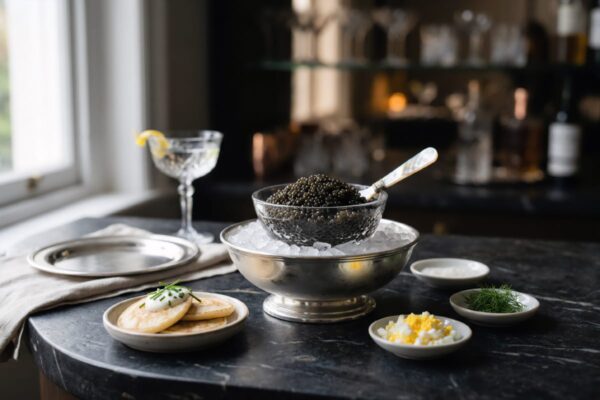
Proper service vessels protect caviar quality and appearance. Glass or crystal bowls work well for presentation. These materials do not react with the salt in caviar. The vessel should sit nested in crushed ice throughout service.
Small porcelain plates work best for individual portions. White plates show the caviar’s natural color and sheen. Arrange accompaniments on separate dishes nearby. This setup prevents mixing until guests are ready.
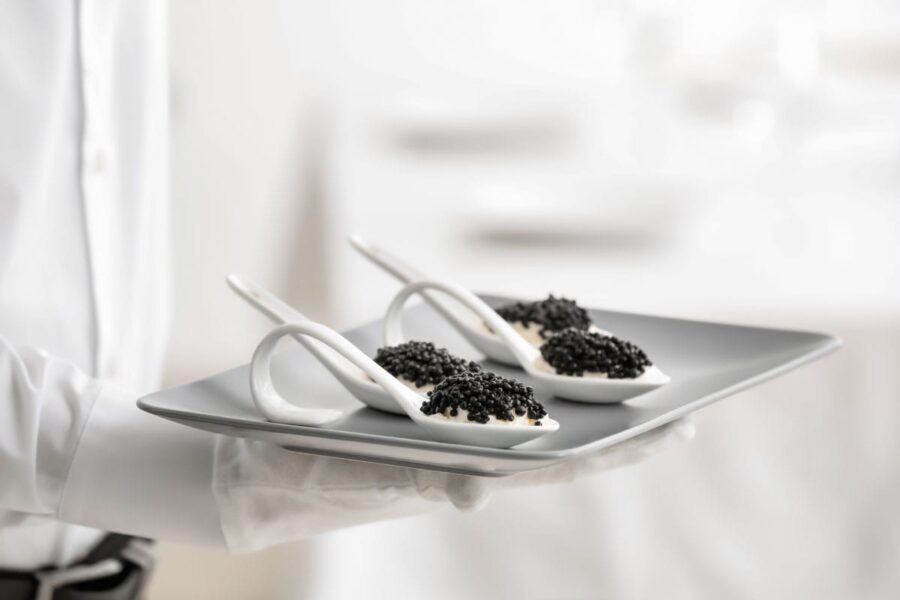
Have enough mother of pearl spoons for each person. Metal spoons react with caviar and create off flavors. Small glass dishes for crème fraîche add a traditional touch. Everything should be within easy reach before opening the tin.
Creating a distraction free atmosphere for full appreciation
Sensory focus requires minimal interference from surroundings. Turn off background music or keep it very soft. Loud conversations make it hard to concentrate on subtle flavors. Guests need quiet to detect delicate taste differences.
Lighting should be bright enough to see the caviar clearly. Natural daylight works best for observing color and texture. Avoid fluorescent lights that distort color perception. Soft overhead lighting creates the right ambiance.
Strong room fragrances compete with caviar’s delicate aroma. Open windows for fresh air before the tasting. Remove scented candles or air fresheners from the space. The goal is a neutral environment where caviar scents can emerge.
Proper handling techniques and utensil selection during service
How caviar is handled affects its texture and presentation. Delicate eggs break under rough treatment. Proper technique preserves the integrity of each bead. The right tools make careful handling easier.
Service requires slow, deliberate movements. Rushing causes eggs to burst prematurely. Each step should flow smoothly into the next. Practice these techniques before hosting a formal tasting.
Using mother of pearl or bone spoons instead of metal implements
Mother of pearl spoons remain the gold standard for caviar service. The material does not react with salt or oxidize. This neutrality preserves the pure taste of malossol caviar. Metal spoons cause chemical reactions that create metallic flavors.
Bone or horn spoons also work well as alternatives. These natural materials stay neutral like mother of pearl. Some modern tasters use glass or gold-plated spoons. Plastic utensils work in casual settings but lack refinement.
The spoon size should be small, holding about half a teaspoon. Larger scoops make portion control difficult. Keep spoons chilled before use by placing them on ice. Wipe each spoon gently between different caviar types.
Taking small portions to avoid overwhelming your taste buds
Small amounts allow proper flavor evaluation without fatigue. A portion of one quarter to one half teaspoon works best. This size lets all the eggs fit comfortably on the tongue. Too much caviar numbs taste receptors quickly.
Begin with the mildest variety when tasting multiple types. Progress toward stronger, more intense flavors. Taking small portions allows for multiple tastings without waste. The eggs should spread across the palate in a single layer.
Ideal serving portions:
- Individual tasting: One quarter to one half teaspoon
- Paired with accompaniments: One half to one full teaspoon
- Multiple varieties: Start smaller to preserve palate sensitivity
Wait at least one minute between different varieties. This pause lets the previous flavors fade completely. Rushing through tastings blurs the distinctions between types. Patience rewards tasters with clearer flavor perception.
Transferring caviar gently without crushing the delicate eggs
Gentle scooping preserves the eggs’ round shape. Slide the spoon just under the surface of the caviar. Lift straight up without pressing or twisting. Each egg should remain intact and glossy.
Never stir or mix caviar in the tin. This action breaks eggs and releases excess moisture. Scoop from the top layer only during service. Work systematically across the surface rather than digging down.
Transfer the spoon to the plate without tipping it sharply. Lower it gently onto the surface or directly to the mouth. Any sudden movement risks breaking the eggs. The goal is to deliver each bead intact for proper bursting on the palate.
Pro tip: Place a small amount of caviar on the back of the hand between thumb and forefinger to test quality. Body heat warms the eggs slightly, releasing their aroma within seconds. This traditional method helps evaluate freshness before full service.
The correct sensory evaluation sequence for malossol caviar
Sensory evaluation follows a specific order for accurate assessment. Visual inspection comes before taste or smell. Each sense provides different quality information. Skipping steps means missing critical details.
Professional tasters train for years to detect subtle variations. Amateur enthusiasts can learn the basic sequence quickly. The same methods work for all sturgeon caviar types. Practice with different varieties builds skill over time.
Observing visual characteristics before placing in your mouth
Visual examination reveals much about caviar quality. Hold the spoon toward light to see the eggs clearly. Look for uniform size and consistent color. High quality malossol shows a glossy sheen on each egg.
The eggs should appear plump and well formed. Broken or flat eggs indicate rough handling or age. Color depends on the sturgeon species and egg maturity. Darker eggs come from older fish in most species.
Check for excess liquid around the eggs. Some moisture is normal, but pools of liquid suggest problems. Fresh caviar looks firm and separates easily. The surface should glisten without appearing wet or oily.
Inhaling the aroma to detect freshness and quality markers
Bring the spoon close to the nose without touching it. Inhale gently to catch the delicate fragrance. Fresh malossol caviar has a clean, subtle ocean scent. The aroma should remind you of sea air or fresh oysters.
Strong fishy odors indicate old or poorly stored caviar. Quality eggs have minimal smell when very cold. As they warm slightly, the aroma becomes more noticeable. Any sour or ammonia notes mean the caviar has spoiled.
The scent should be pleasant and mild. Off odors appear before taste problems become obvious. Trust your nose if something seems wrong. Fresh caviar never smells unpleasant or overpowering.
Allowing eggs to warm slightly on the tongue before bursting
Place the caviar on the tongue without chewing right away. Let the eggs sit for a few seconds. Body heat warms them gently, softening the membrane. This warming releases aromatic compounds that enhance flavor.
Press the eggs against the roof of the mouth with the tongue. Roll them gently to feel the texture. Each egg should pop individually, releasing its contents. The membrane provides a satisfying burst sensation.
Avoid chewing with the teeth. This crushes all the eggs at once and misses the texture experience. The tongue provides enough pressure for controlled bursting. Let the liquid spread across the entire palate.
Identifying the subtle flavor notes that emerge during tasting
Flavor profiles vary between sturgeon species and quality grades. Malossol preparation allows these differences to show clearly. Fresh caviar tastes clean with a mild salt background. The natural egg flavor should dominate, not the salt.
Look for buttery, creamy, or nutty notes. Some varieties show hints of seaweed or ocean minerals. Premium eggs have a smooth, rich finish that lingers pleasantly. Cheaper grades taste more strongly of salt or fish.
| Quality Indicator | Premium Grade | Standard Grade |
|---|---|---|
| Salt level | Barely noticeable | Moderately salty |
| Texture | Firm yet creamy | Softer or mushy |
| Aftertaste | Clean and buttery | Fishy or metallic |
| Egg pop | Distinct individual bursts | Breaks too easily |
The finish should be clean without bitter or sour notes. Quality caviar leaves a pleasant coating in the mouth. This richness comes from natural oils in the eggs. The best varieties have complex flavors that develop over several seconds.
Pro tip: Close your eyes during tasting to focus fully on flavor and texture. Visual cues can bias perception toward expectations rather than actual taste. Blind tasting builds true sensory accuracy and helps identify personal preferences.
Social conduct expectations at formal caviar tasting events
Formal tastings follow specific social protocols. These rules ensure all guests enjoy the experience equally. Breaking etiquette can disrupt others or damage the caviar. Understanding expectations prevents awkward situations.
Hosts usually explain any special procedures at the start. Follow their lead if unsure about any aspect. Watching experienced tasters provides valuable lessons. Formal events are learning opportunities, not tests.
Maintaining quiet conversation to respect other tasters’ concentration
Caviar tastings require focus and quiet contemplation. Loud talking prevents guests from concentrating on subtle flavors. Keep conversation to whispers or wait for designated discussion periods. Some hosts prefer complete silence during actual tasting.
Comments about the caviar can wait until everyone finishes each variety. Group discussion often follows once all guests have tasted. Share observations thoughtfully without dominating the conversation. Listen to others’ impressions to learn different perspectives.
Phones should be silenced or turned off completely. The buzz or ring disrupts concentration for everyone nearby. Step away from the tasting area for necessary calls. Photographs may be allowed, but ask the host first.
Refraining from applying perfume or cologne to the event
Strong fragrances interfere with caviar’s delicate aroma. Perfume and cologne mask the subtle scents that indicate quality. Other guests cannot smell the caviar properly near heavy fragrances. This rule mirrors wine tasting etiquette.
Skip scented products on tasting days. This includes strongly scented lotions, hair products, or aftershave. Even scented laundry detergent can be too much. The goal is to arrive as scent free as possible.
Smokers should avoid cigarettes for at least an hour before tasting. Smoke odor clings to clothing and breath. It overwhelms delicate aromas even after the cigarette ends. Use unscented soap when washing hands before the event.
Waiting for the host’s signal before beginning your tasting
Never start tasting before the host indicates readiness. The host may need to explain procedures or provide background information. Starting early shows impatience and disrespect for other guests. Everyone should begin together when possible.
The host often serves caviar in a specific order. Each variety may come with serving instructions or pairing suggestions. Listen carefully to all guidance before taking the first bite. Questions can come after the initial explanation finishes.
Formal tasting sequence:
- Host presents the caviar and shares origin information
- Guests receive individual portions with appropriate utensils
- Host signals when to begin visual examination
- Group proceeds through smell and taste together
- Discussion follows after everyone completes the tasting
Some hosts prefer to pace the tasting themselves. They may describe what to look for before each step. Following this guidance builds appreciation and understanding. The structured approach helps novices learn proper technique.
Pro tip: Take mental notes during the tasting rather than writing constantly. Stopping to write disrupts focus and rhythm. Use a small card to jot brief memory triggers between varieties. Detailed notes can be written after the event concludes using these reminders.
Authentic malossol black caviar without preservatives at PremiumCaviar Shop
PremiumCaviar specializes in authentic Italian black caviar from the renowned Pisani Dossi farm. Each variety undergoes traditional malossol preparation using minimal salt content. The hand-processed selections contain no artificial preservatives or additives. Fresh caviar arrives directly from pristine spring waters in northern Italy.
The boutique maintains strict quality standards throughout production and delivery. Traditional manual techniques preserve the delicate eggs at every stage. This careful handling ensures consistent appearance, texture, and flavor in every tin. Swift delivery across Switzerland brings fresh caviar to discerning tables quickly.
Authentic Siberian Sturgeon Selections
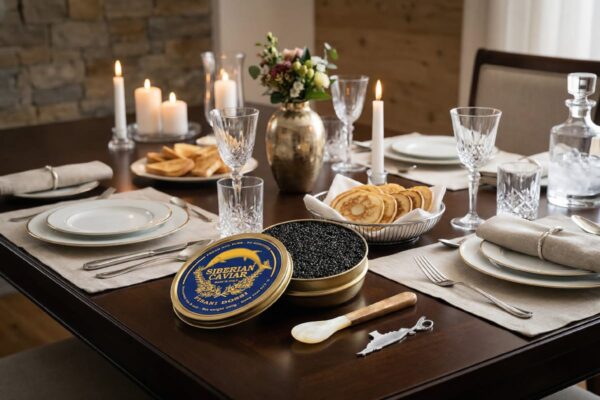
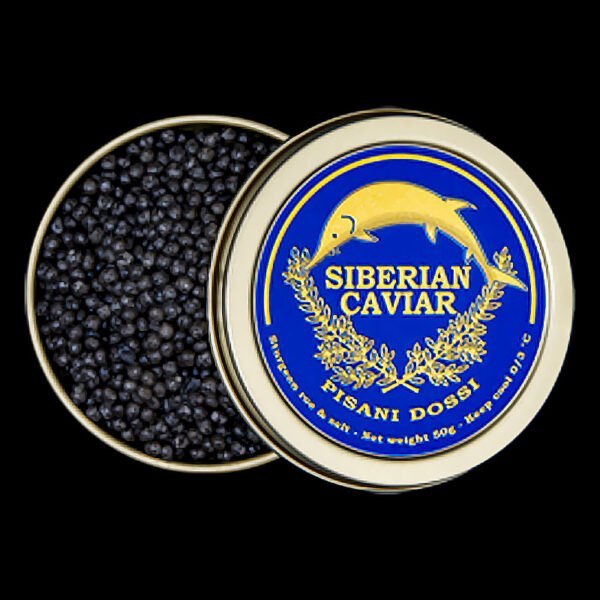
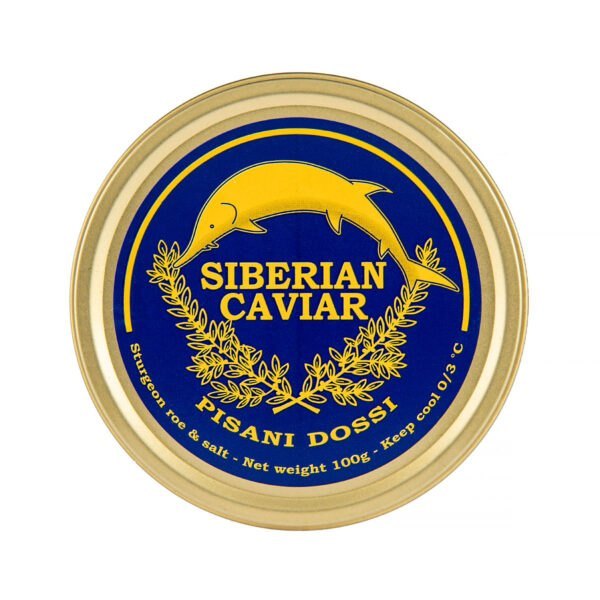
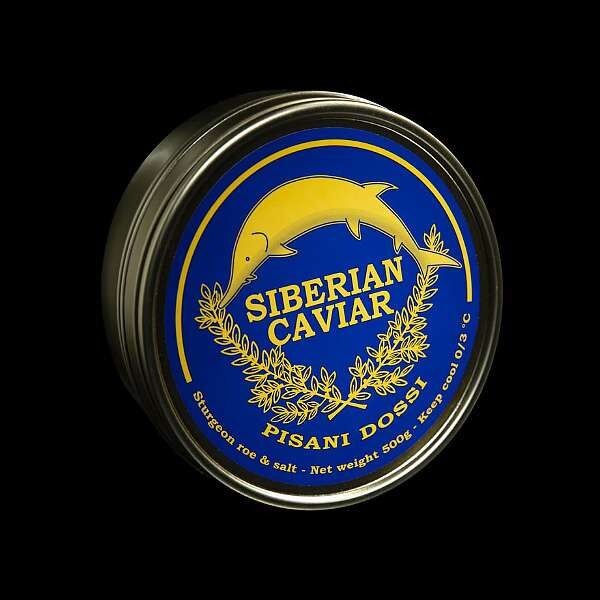
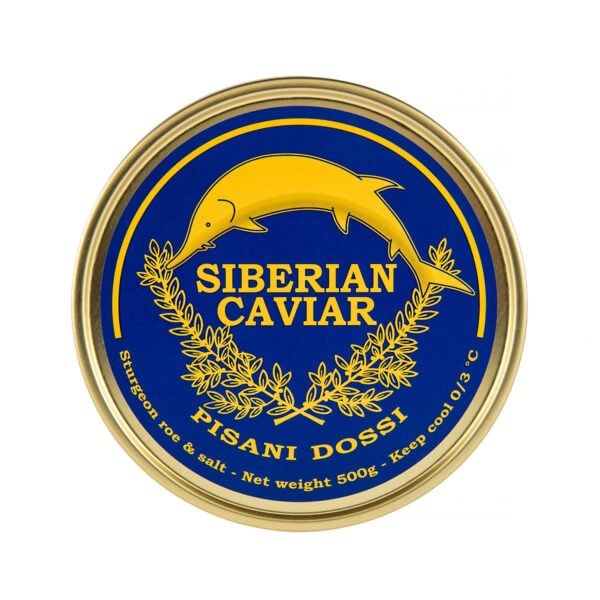
The Siberian sturgeon caviar variety features fine-grained eggs measuring 2.6 to 3.0 millimeters. Each grain delivers pure, elegant flavor with subtle hazelnut notes. Wild berry undertones emerge in the gentle aftertaste. The eggs burst smoothly when pressed against the palate.
This variety works well for both newcomers and experienced connoisseurs. The mild, refined taste profile makes it accessible yet sophisticated. Salt content stays between 3.5 and 4 percent, following authentic malossol standards. The low salt level lets natural flavors shine through clearly.


Premium Osetra Caviar Varieties
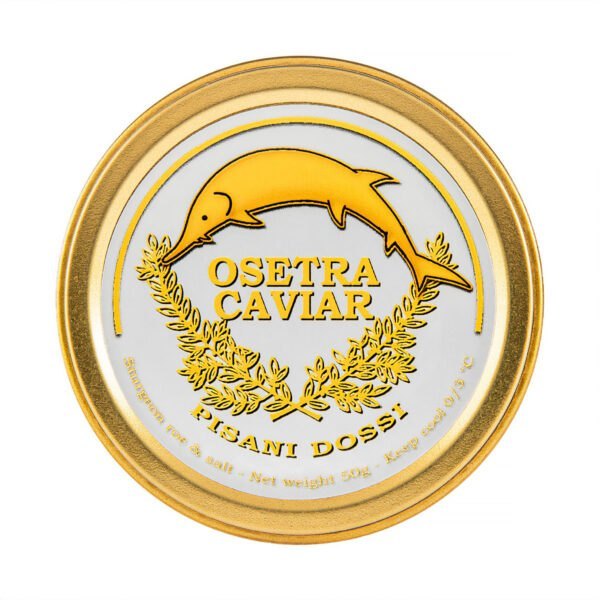
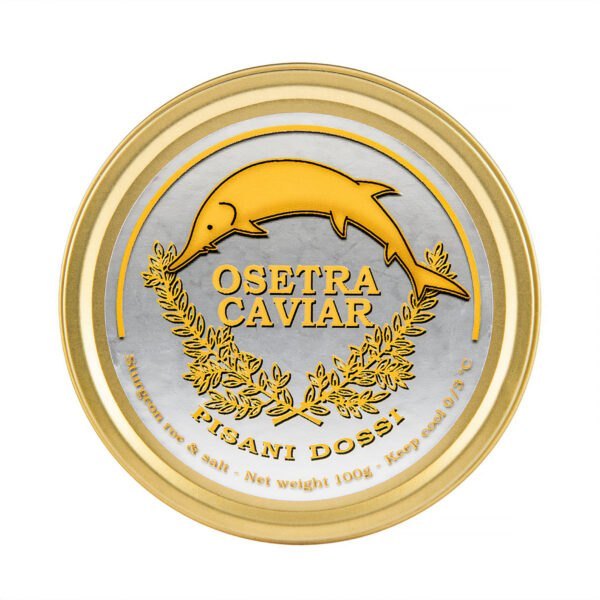
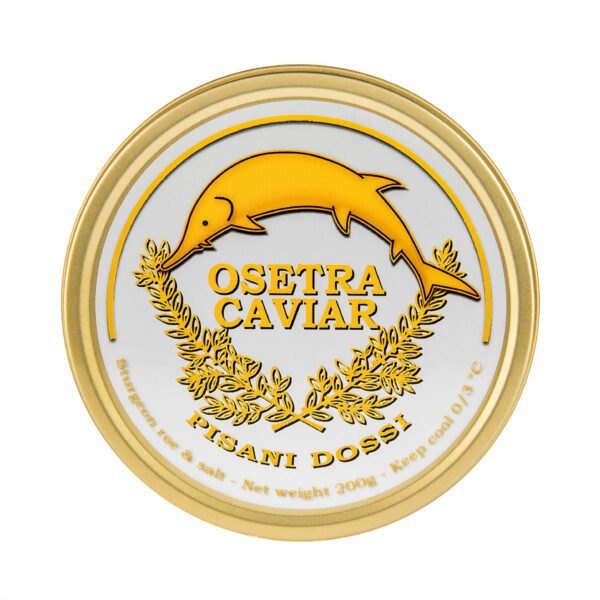
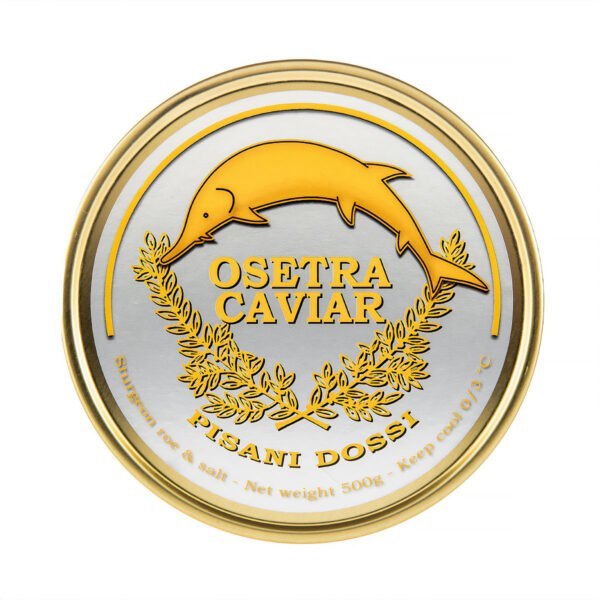
Osetra caviar selections display slightly larger grains ranging from 2.9 to 3.2 millimeters. The eggs present a delicious, mild taste with distinctive character. A subtle walnut aftertaste distinguishes this variety from other types. The texture remains firm yet creamy, providing satisfying bursts.
Traditional preparation methods preserve the eggs’ natural qualities completely. Hand sorting ensures uniform size, color, and firmness throughout each batch. No mechanical processing touches these delicate selections at any point.

Traditional Malossol Preparation Methods
Every stage receives meticulous hand processing from start to finish. Workers carefully sieve, wash, and collect eggs using time-honored techniques. This manual approach protects the fragile membranes from damage. The resulting caviar maintains perfect texture and appearance.
The production facility combines modern technology with traditional craftsmanship. Sustainable aquaculture practices ensure consistent quality year after year. Each tin reflects decades of expertise in sturgeon farming and caviar preparation.
Browse the collection at PremiumCaviar shop to find the perfect selection. Contact the team for personalized support and consultation. Expert guidance helps choose the right variety for any occasion or preference.
Concluding the tasting experience with appropriate behavior
The tasting’s end requires as much care as its beginning. Proper closing behavior shows appreciation for the host and experience. These final steps leave a positive impression on everyone present.
Rushing away immediately after the last taste seems rude. Allow time for the group to share final thoughts. The conclusion often includes informal discussion and questions. This social period builds connections among guests.
Providing thoughtful feedback when asked by the host
Hosts appreciate honest yet tactful responses about the caviar. Share genuine impressions without being harsh or critical. Focus on personal preferences rather than absolute judgments. Describe what you noticed rather than declaring quality levels.
Use descriptive language about texture, flavor, and aroma. Compare different varieties tasted during the event. Mention which characteristics appealed most to your palate. This feedback helps hosts plan future events better.
Avoid complaining about aspects beyond the host’s control. Comments about serving size or portion timing can seem ungrateful. If the caviar had quality issues, mention it privately to the host later. Public criticism at the event embarrasses everyone present.
Rinsing your palate between different caviar varieties
Proper palate cleansing between varieties prevents flavor mixing. Take a small sip of water or champagne. Eat a plain cracker or small piece of bread. Wait at least 30 seconds before the next variety.
Some hosts provide specific cleansing foods for this purpose. Use whatever is offered rather than requesting alternatives. The goal is to reset taste buds to a neutral state. Skipping this step means later varieties taste muddled.
Avoid sugary or acidic cleansers that alter taste perception. Plain water works well if nothing else is available. Room temperature is better than ice cold for this purpose. Very cold liquids can numb the palate temporarily.
Expressing gratitude without excessive commentary on cost
Thank the host sincerely for the experience and opportunity. Acknowledge the care taken in preparation and presentation. Avoid mentioning the caviar’s monetary value or asking about prices. Such comments reduce the experience to a financial transaction.
Focus appreciation on the quality and the learning opportunity. Mention specific aspects that made the tasting memorable. Personal thanks mean more than generic praise. A handwritten note after the event shows extra thoughtfulness.
Questions about sourcing or preparation are appropriate and welcome. Hosts enjoy sharing knowledge about their caviar selections. Ask about storage methods, serving techniques, or pairing ideas. This curiosity shows genuine interest and respect.
Documenting your impressions discreetly for future reference
Taking notes helps remember preferences for future purchases. Keep documentation brief and unobtrusive during the event. A small notebook or phone app works for quick entries. Write full details later when you have time.
| Caviar Detail | What to Record |
|---|---|
| Variety and origin | Species and production location |
| Visual traits | Color, size, and appearance |
| Aroma | Ocean freshness, intensity level |
| Texture | Firmness, creaminess, pop quality |
| Flavor | Salt level, buttery notes, finish |
| Overall impression | Personal rating and purchase interest |
Photos can help jog memory later. Ask permission before photographing the caviar or setting. Some hosts prefer no photography at exclusive events. Respect these wishes even if disappointed.
Record your emotional response along with technical details. Did a particular variety surprise or delight you? Which one would you want to taste again? These impressions matter more than objective measurements. Personal preference guides future buying decisions.
Pro tip: Create a simple rating system before attending multiple tastings. Use the same criteria each time for consistent comparisons. A scale of one to five works well for texture, flavor, and overall appeal. This method reveals preferences and trends over time.
FAQ: Frequently Asked Questions
Why must caviar be served with non-metal spoons?
Metal spoons cause chemical reactions when they touch caviar. Silver and stainless steel oxidize the delicate fish oils instantly. This oxidation creates an unpleasant metallic taste that masks the natural flavors. The reaction happens within seconds of contact. Even brief exposure ruins the subtle briny notes and buttery finish.
Mother of pearl, bone, or horn spoons stay chemically neutral. These materials prevent oxidation and preserve authentic taste. Gold-plated utensils also work well for formal service. The right spoon protects both flavor and texture during tasting.
How long does caviar remain fresh after opening the tin?
Opened caviar stays fresh for one to three days when stored properly. Air exposure accelerates spoilage once the seal breaks. Store the opened tin in the coldest part of the refrigerator. Temperatures between -2.2 and 0 degrees Celsius work best. Cover the tin tightly with plastic wrap or the original lid.
Bacteria can develop after five days even without visible signs. The texture becomes softer and the taste turns fishy. Unopened tins last four to six weeks under proper refrigeration. Room temperature exposure causes spoilage within hours. Never leave caviar out longer than 30 minutes without ice.
Can caviar be frozen for extended storage?
Freezing caviar damages the delicate egg structure and texture. The membranes burst when ice crystals form inside each bead. Thawed caviar becomes mushy and releases excess liquid. The smooth pop sensation disappears after freezing. Flavor intensity decreases significantly once frozen and thawed.
Proper refrigeration between -2.2 and 0 degrees Celsius preserves quality better. This temperature keeps eggs cold without forming ice. Store caviar in the coldest fridge section, not near the door. The saline solution prevents freezing at these temperatures. Opened caviar should never be frozen under any circumstances.
What foods should be avoided when tasting caviar?
Strongly spiced foods overpower caviar’s delicate flavors. Hot peppers, garlic, and curry mask the subtle taste completely. Sweet foods also clash with the natural brine. Acidic ingredients like vinegar or citrus can be too harsh. These flavors linger on the palate and distort perception.
Stick to neutral accompaniments like plain crackers or blini. Lightly buttered toast points work well as a base. Traditional pairings include crème fraîche and finely chopped eggs. These mild foods support rather than compete with caviar. Drink water or champagne between different varieties to reset taste buds.
At what temperature should caviar be served for tasting?
Serving temperature sits between -2.2 and 1.1 degrees Celsius for best results. This range keeps eggs properly chilled without numbing taste buds. Too cold, and the fat molecules tighten, making eggs hard. The flavor becomes muted when served too icy. Room temperature caviar turns oily and develops strong fishy notes.
Professional graders taste at warmer temperatures around 18.3 degrees Celsius. This warmth reveals flavor defects and quality issues clearly. Warmer caviar shows off tastes more strongly, including undesirable ones. For enjoyment rather than grading, keep caviar between 10 and 12.8 degrees Celsius. Place tins on crushed ice during service to maintain proper temperature. Remove from ice only briefly when scooping portions.
Conclusion
Proper malossol black caviar tasting etiquette combines technical knowledge with social awareness. Temperature control, gentle handling, and appropriate utensils preserve the delicate eggs. Sensory evaluation follows a specific sequence from visual to taste. Each step reveals different quality markers and flavor characteristics. Social rules at formal events ensure all guests can focus and enjoy the experience fully.
These guidelines developed over centuries as caviar culture spread globally. They protect both the product quality and the tasting experience. Following established protocols shows respect for tradition and craftsmanship. The rules also help novice tasters feel confident at formal events. Practice these techniques to build skill and appreciation over time.
Mastering caviar etiquette transforms eating into true appreciation. The attention to detail matches the care taken in producing premium malossol varieties. Each aspect contributes to the full sensory experience. Whether hosting or attending tastings, these principles create memorable and refined occasions. The investment in learning proper technique pays rewards through deeper enjoyment and understanding.