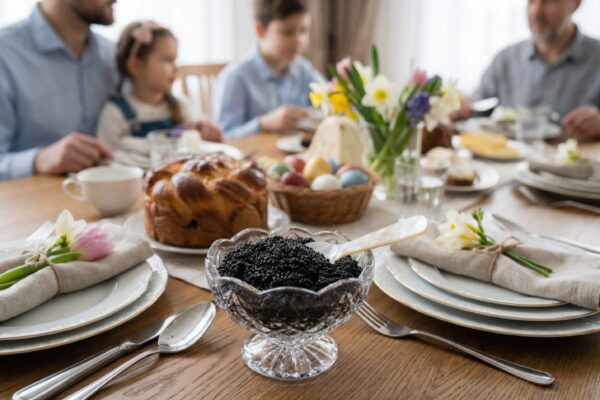

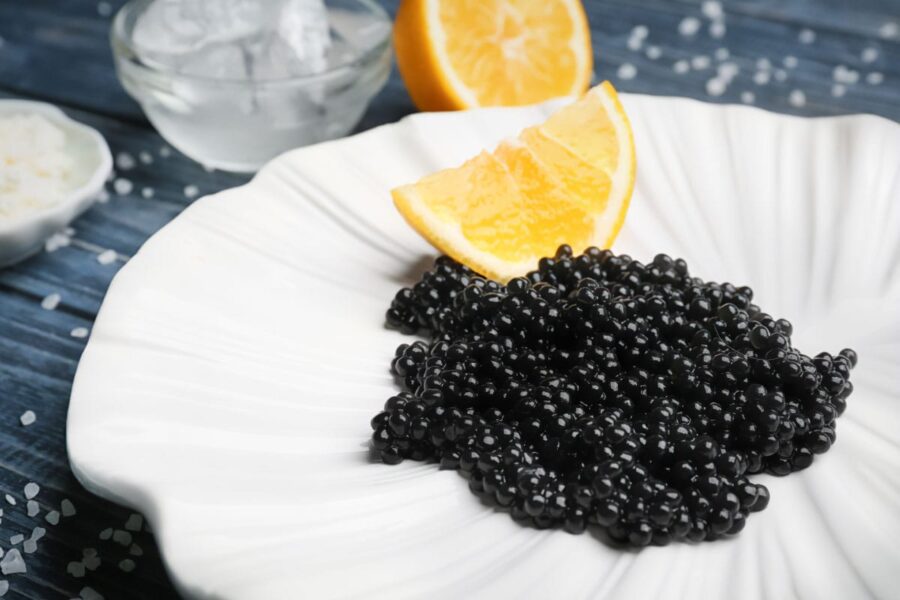
Premium osetra caviar stands as one of the most sought delicacies in the culinary world. First-time buyers face a complex market filled with varying grades, sources, and quality levels. Understanding the basics helps make informed choices and avoid costly mistakes.
The osetra sturgeon produces eggs that range from golden to dark brown. Each tin tells a story of careful farming and expert curing. Buying this delicacy requires knowledge about grading systems, storage methods, and serving traditions. The experience becomes more rewarding when buyers understand what separates exceptional products from average ones.
This guide walks through the key factors that shape a successful first purchase. From reading labels to recognizing quality markers, new buyers gain the tools needed to select wisely. The goal centers on helping buyers appreciate this delicacy while making smart choices.
Understanding osetra caviar grades and quality classifications
Caviar grading systems help buyers select products that match their preferences and budgets. Producers classify osetra based on bead size, color, and texture. These factors directly influence both flavor and value.
Differences between imperial, royal, and classic osetra grades
Classic grade represents the most common osetra available on the market today. This category features medium to dark brown eggs with standard sizing. The flavor profile brings nutty notes with hints of sea salt. Classic grade meets the average standards for the species.
Royal grade moves up the quality scale with lighter colors and larger beads. These eggs come from older sturgeon that lived longer in controlled environments. The texture stays firmer than classic grade. Pricing increases due to rarity and desirable characteristics.
Imperial grade sits at the top tier of osetra classifications. The lightest colored eggs fall into this category, with golden hues being most prized. Only about 5% of adult sturgeon produce these brilliant golden eggs. The larger bead size and rare coloring command the highest value.
How bead size and color affect pricing and taste
Larger eggs indicate the sturgeon reached greater maturity before harvesting. These beads contain more developed flavors and richer textures. Size directly correlates with the fish’s age and feeding conditions.
Color variations occur naturally within the same species based on genetics. Lighter shades appear less common than darker tones in the same population. Golden colors bring delicate, buttery notes with subtle sweetness. Dark brown eggs deliver bolder, more briny flavors with earthier undertones.
The rarity of light-colored beads drives market demand and pricing structures. Buyers seeking milder tastes prefer golden varieties for their refined character. Those who enjoy stronger sea flavors choose darker beads for deeper intensity.
Reading labels to identify farm raised versus wild caught products
Modern osetra caviar comes from aquaculture farms rather than wild sources. Sustainable farming protects endangered sturgeon populations while maintaining quality standards. Labels should clearly state the production method and origin.
Look for the scientific name “Acipenser gueldenstaedtii” on packaging. This confirms authentic Russian osetra rather than related species marketed under similar names. Some retailers label other sturgeon types as California or Siberian osetra, creating confusion.
Farm location affects water quality and feeding programs that shape flavor profiles. Reputable farms maintain certifications from organizations monitoring responsible aquaculture practices. These facilities control temperature, diet, and harvest timing for consistent results.
Recognizing quality certifications and authenticity markers
CITES certification ensures farms follow international regulations protecting endangered species. This marking proves legal sourcing and ethical production methods. Authentic sellers display these credentials openly.
Key authenticity markers:
- Scientific species name listed on packaging
- Farm location and harvest date information
- CITES approval stamps or numbers
- Traceability details from farm to tin
- Minimal preservative use beyond salt
Quality suppliers provide complete transparency about their products. They answer questions about farming methods, feeding programs, and curing processes. Comprehensive product descriptions demonstrate genuine expertise and honest business practices.
Price expectations and budget planning for your purchase
Caviar pricing reflects multiple factors beyond simple supply and demand dynamics. Understanding these elements helps buyers plan appropriate budgets and recognize fair value.
Typical cost ranges per ounce for premium osetra varieties
Grade classifications significantly impact what buyers pay per ounce. Classic osetra offers entry-level pricing for those new to this delicacy. Royal grade commands higher amounts due to larger beads and lighter coloring. Imperial osetra reaches top-tier levels because of extreme rarity.
Tin sizes range from small samplers to larger containers for special events. Smaller quantities allow first-time buyers to test quality without major commitment. Larger tins reduce the unit cost when hosting gatherings.
Seasonal availability influences market rates throughout the year. Harvest cycles affect supply levels during different months. Understanding these patterns helps buyers time purchases strategically.
Factors that influence seasonal price fluctuations
Sturgeon maturation follows natural cycles that affect egg production timing. Peak harvesting periods bring more product to market. Lower harvest months see reduced availability and adjusted pricing.
Water temperature changes in farming environments impact sturgeon feeding and growth rates. Optimal conditions produce higher yields during specific seasons. Climate variations from year to year create supply inconsistencies.
Holiday demand spikes raise costs during traditional celebration periods. December sees increased purchasing for New Year festivities. Planning ahead helps avoid peak pricing pressure.
Calculating appropriate quantities for special occasions
Standard serving sizes measure about one ounce per person for appetizer courses. Dinner parties require careful calculation based on guest counts. Buying extra provides a cushion for enthusiastic guests or unexpected arrivals.
Portion planning guide:
- Cocktail reception: 0.5 to 1 ounce per guest
- Seated dinner appetizer: 1 to 1.5 ounces per person
- Main course feature: 2 to 3 ounces per diner
- Tasting event: 0.5 ounces of multiple varieties per attendee
Storage limitations affect how much to buy at once. Opened containers last only a few days even with proper care. Purchasing amounts that match consumption timelines prevents waste.
Pro tip: Buy slightly less than calculated needs to avoid leftovers that lose quality. Guests appreciate smaller portions of exceptional products over larger servings of average ones.
Selecting reputable vendors and avoiding common scams
The caviar market includes both legitimate sellers and questionable operators. Distinguishing between them protects buyers from disappointment and financial losses.
Identifying trustworthy online retailers versus questionable sellers
Established sellers maintain detailed websites with comprehensive product information. They list species names, farm locations, and quality certifications clearly. Contact details include physical addresses and responsive customer service channels.
Customer reviews from verified buyers reveal real experiences with products and services. Multiple positive testimonials across different platforms indicate reliability. Check independent review sites rather than relying only on seller websites.
Professional photography shows actual product appearance rather than stock images. Honest sellers display natural color variations and realistic presentations. Overly edited photos that look too perfect may signal misrepresentation.
| Trustworthy Seller Signs | Red Flag Warnings |
|---|---|
| Complete product specifications | Vague or missing details |
| CITES certification displayed | No certification information |
| Physical business address | Only email contact |
| Responsive customer service | Poor communication |
| Verified customer reviews | Only on-site testimonials |
| Transparent return policy | No refund options |
| Detailed storage instructions | Limited guidance |
Secure payment options and proper shipping methods separate legitimate retailers from fraudulent operations. Trustworthy sellers accept major credit cards and provide encrypted checkout systems for buyer protection. They ship using insulated containers with cold packs or dry ice to maintain proper temperatures. Tracking numbers arrive immediately after purchase, allowing buyers to monitor delivery progress. Sellers who request wire transfers or cryptocurrency payments raise serious concerns about legitimacy. Check business registration records and industry memberships to verify authenticity before placing orders.
Benefits of purchasing from specialty importers over general retailers
Dedicated caviar importers focus exclusively on this product category. Their expertise exceeds that of general gourmet retailers who carry multiple items. Specialized knowledge translates to better quality control and product selection.
Storage and handling practices at specialty sellers protect delicate products throughout distribution. They maintain proper temperature controls from farm to delivery. General retailers may lack necessary cold chain infrastructure.
Direct relationships with farms allow specialty importers to verify sourcing and quality. They visit production facilities and understand farming practices firsthand. This connection ensures authentic products reach customers.
Questions to ask before making your first caviar investment
Contact sellers directly to gauge their knowledge and willingness to help. Ask about the specific sturgeon species and its origin. Request information about farming methods and feeding programs.
Inquire about shipping methods and temperature control during transit. Learn how products stay cold from warehouse to doorstep. Ask what happens if shipments arrive warm or damaged.
Essential pre-purchase questions:
- What species of sturgeon produced these eggs?
- Where was the caviar farmed and when harvested?
- What grade classification applies to this product?
- How will you ship to maintain proper temperature?
- What is your return policy for quality issues?
- Can you provide CITES certification documentation?
Legitimate sellers welcome these questions and provide thorough answers. Hesitation or vague responses indicate potential problems. Trust develops through open communication and detailed information.
Pro tip: Request small sample sizes before committing to larger purchases. Testing quality firsthand reveals whether a seller meets expectations and whether the specific grade matches personal preferences.
Proper storage techniques to maintain freshness after purchase
Caviar storage requires precise conditions to preserve quality and flavor. Small mistakes in handling lead to rapid degradation and wasted investment.
Optimal refrigeration temperatures for unopened tins
Store unopened caviar between -2.2°C and 0°C for best results. This range keeps eggs fresh without freezing them solid. Most home refrigerators run warmer than ideal settings.
Place tins in the coldest section of the refrigerator, away from the door. Door storage exposes products to temperature swings with each opening. The back of the lowest shelf maintains the most stable cold.
Use a refrigerator thermometer to verify actual internal temperatures. Standard settings often fail to reach the recommended range. Adjust controls as needed to achieve proper cooling levels.
Shelf life expectations once the container has been opened
Unopened tins last several weeks to months when stored correctly. Exposure to air begins degradation immediately after opening. Plan to consume opened caviar within three days maximum.
Transfer contents to the smallest possible container to minimize air contact. Press plastic wrap directly onto the surface before sealing. This technique reduces oxidation that ruins delicate flavors.
Keep opened containers in the coldest refrigerator zone at all times. Remove only the amount needed for immediate serving. Return unused portions to cold storage within minutes rather than hours.
Signs that indicate your caviar has spoiled or degraded
Fresh osetra caviar displays firm, intact beads with glossy appearance. Eggs should separate easily without sticking together in clumps. Each bead maintains its individual shape and structure.
Spoiled products develop off odors that smell sour or fishy rather than fresh. The scent becomes noticeably unpleasant instead of subtly briny. Trust your nose when evaluating questionable products.
Spoilage indicators:
- Mushy texture that lacks firmness
- Broken beads that leak liquid
- Cloudy appearance instead of glossy shine
- Strong fishy odor rather than mild sea scent
- Sticky consistency between eggs
- Discolored patches or darkening
Taste changes accompany visual and aromatic deterioration. Bitter or metallic flavors replace the nutty, buttery notes of fresh caviar. Discard products showing any combination of these warning signs.
Freezing myths and why this method damages quality
Freezing extends shelf life but destroys the delicate texture that defines quality caviar. Ice crystals puncture bead walls during the freezing process. Thawed eggs turn mushy and lose their characteristic pop.
Flavor compounds degrade during freezing and thawing cycles. The subtle taste nuances that make premium grades special disappear. What remains tastes flat compared to properly refrigerated products.
Vacuum-sealed packaging reduces freezer damage slightly but cannot prevent it. Even minimal ice crystal formation affects texture negatively. Reserve freezing only for products of lesser quality or as absolute last resort.
Pro tip: Plan purchases around actual consumption needs rather than relying on freezing for storage. Buy smaller quantities more often to ensure peak freshness with every serving.
Premium fresh malossol black caviar without preservatives at PremiumCaviar Shop
PremiumCaviar specializes in delivering authentic malossol black caviar without artificial preservatives to discerning customers. The shop focuses on two distinct varieties: Siberian sturgeon and Osetra selections. Each product undergoes traditional hand processing that preserves natural flavors and nutritional properties. The company maintains strict quality standards while supporting sustainable aquaculture practices.
First-time buyers gain access to expertly curated selections that meet international freshness standards. The shop partners with established European producers who combine modern sustainability with traditional craftsmanship. Every tin contains only sturgeon roe and minimal salt, following authentic malossol preservation methods.
Siberian Sturgeon Caviar Selection
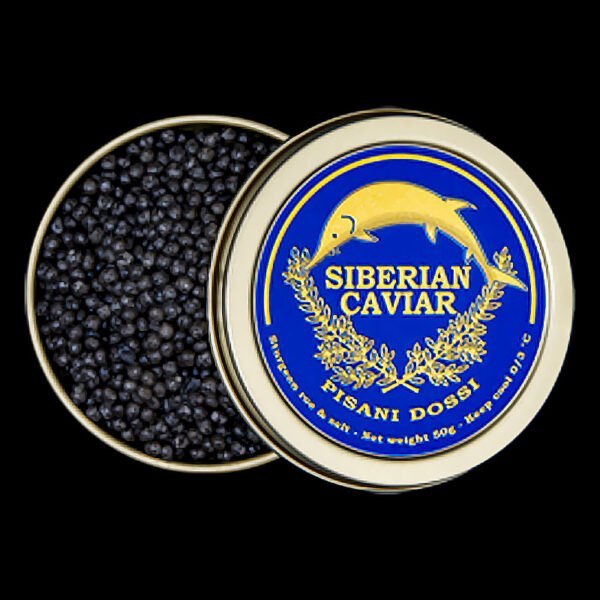
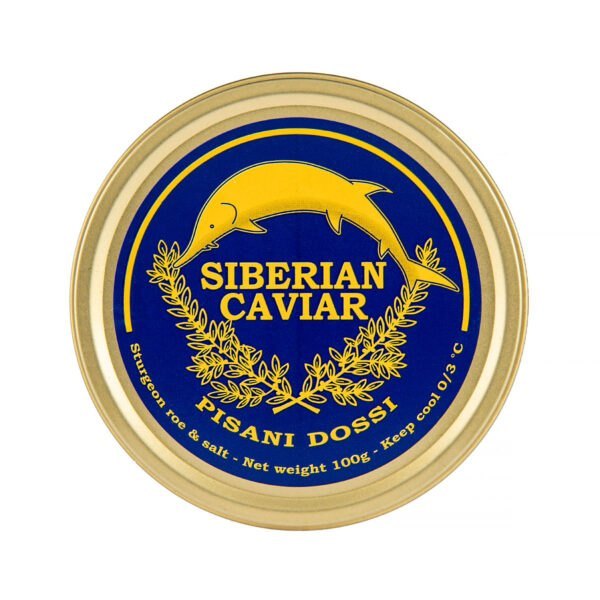
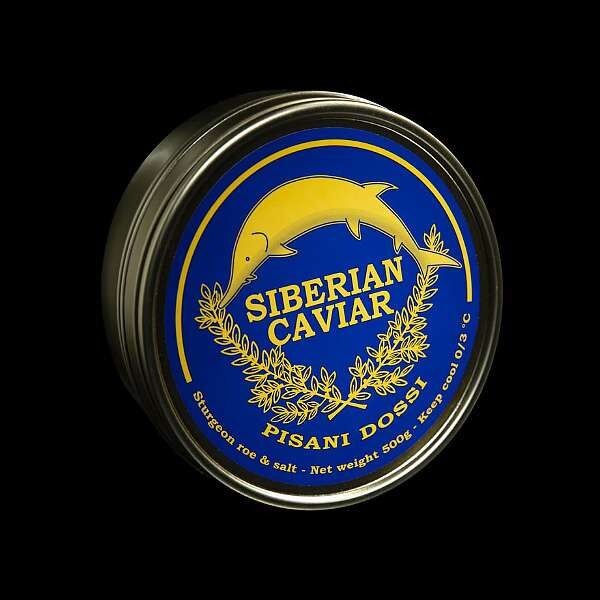
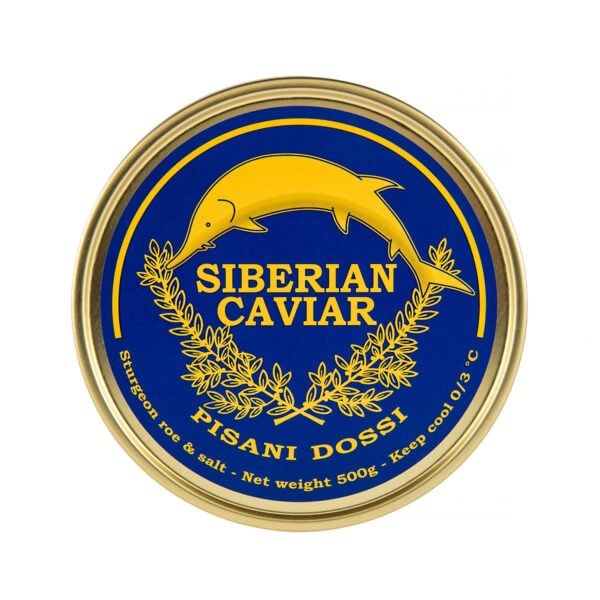
The Siberian sturgeon caviar line features medium to large eggs with firm texture and rich coloring. Beads measure between 2.6 and 3.0 millimeters, creating satisfying texture on the palate. The flavor profile brings nutty notes with subtle earthy undertones. Colors range from deep black to grey and brown tones depending on the specific sturgeon.
This variety suits buyers seeking robust flavor at accessible entry points. The eggs maintain their structure during serving and deliver clean, pure taste. Traditional processing methods ensure the natural character shines through without heavy salting.


Premium Osetra Caviar Collection
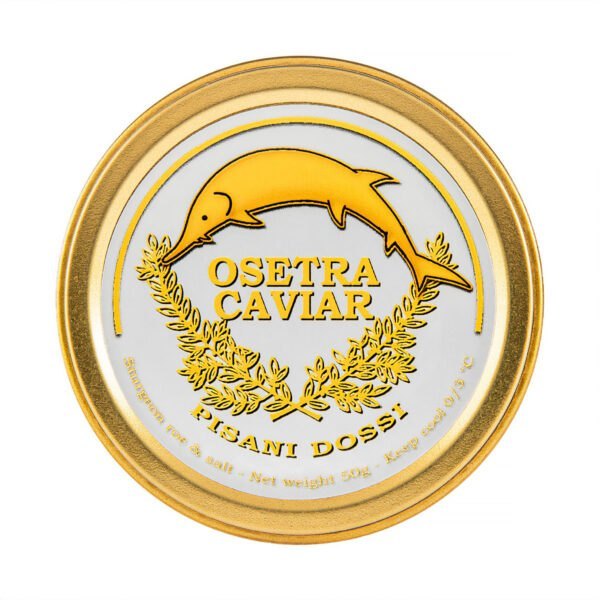
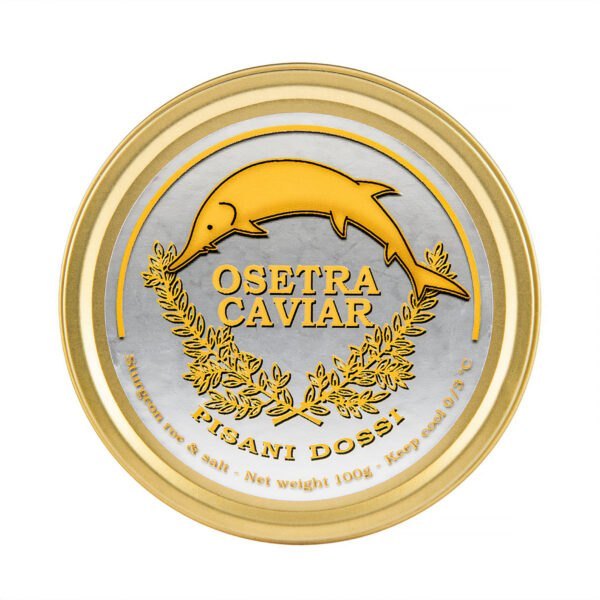
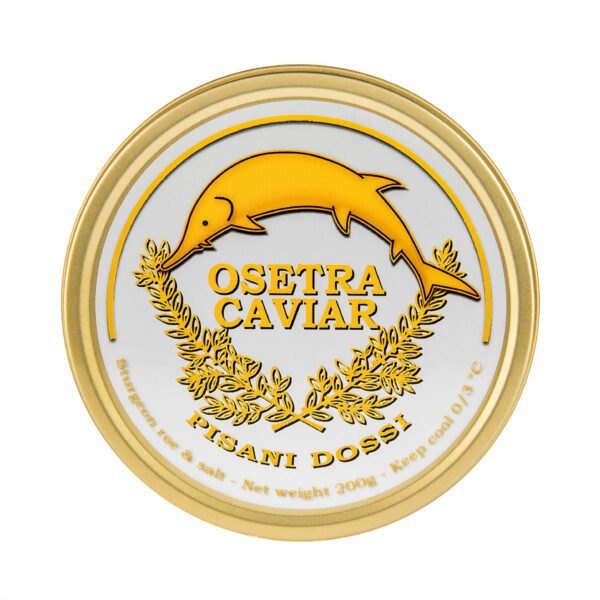
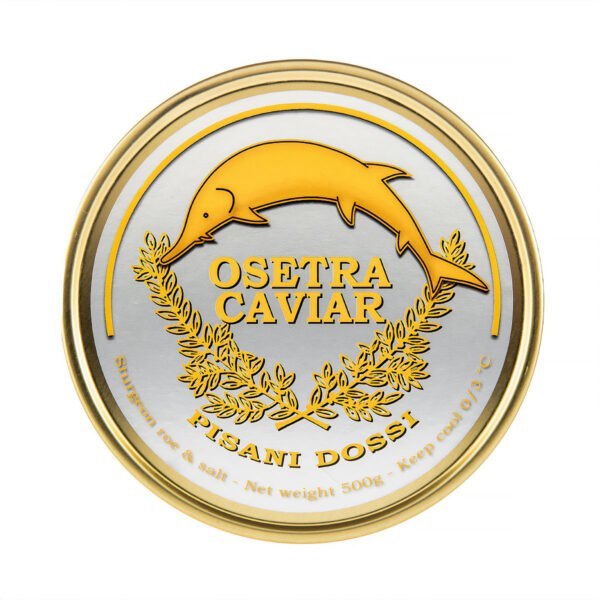
Osetra caviar selections represent the pinnacle of the shop’s product range. These eggs come from carefully raised sturgeon that produce larger, more delicate beads. The malossol curing technique preserves subtle butter and cream notes. Golden to brown hues indicate proper maturation and expert handling.
Osetra products serve special occasions and refined gatherings where quality matters most. The extended finish and complex flavor layers reward patient tasting. Each tin arrives fresh with full traceability from farm to table.

Swiss Quality and Reliable Service
PremiumCaviar maintains efficient delivery throughout Switzerland while ensuring products arrive in perfect condition. The company works with European aquaculture facilities that prioritize both sustainability and traditional production methods. Customer support assists with product selection and proper handling guidance.
Visit the online shop to explore available selections and place orders. Contact the team for personalized consultation on choosing the right variety for specific needs and occasions.
Essential serving basics for enjoying your first osetra experience
Serving caviar properly enhances the tasting experience and shows respect for the delicacy. Simple traditions and thoughtful preparation make all the difference.
Necessary accessories and tools for proper presentation
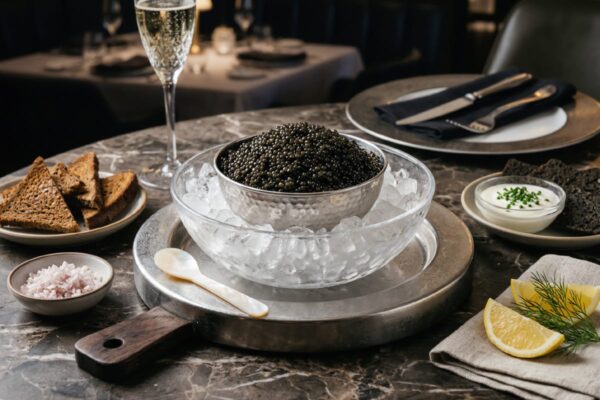
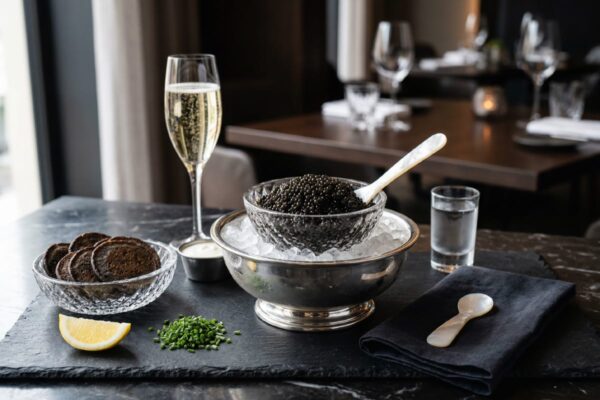
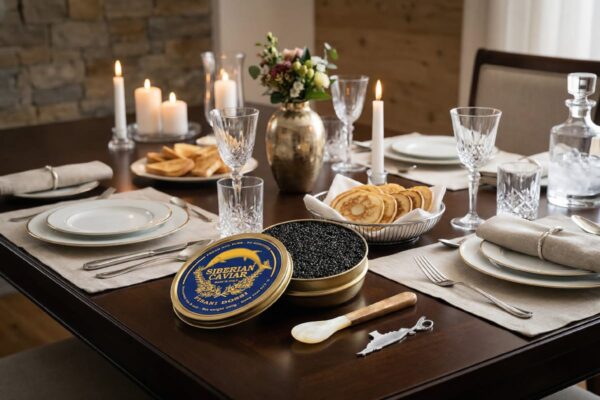
Mother of pearl spoons protect flavor integrity during serving and eating. Metal utensils react with caviar, creating unwanted metallic tastes. The smooth surface of these spoons feels gentle on delicate beads.
Glass or crystal serving bowls showcase the beautiful colors and textures. Nestle the caviar container in crushed ice to maintain cold temperatures. Presentation elevates the experience from simple eating to refined dining.
Small individual plates allow guests to compose their own portions. Provide separate spoons for each accompaniment to prevent flavor mixing. Cloth napkins add elegance to the setting.
Essential serving tools:
- Mother of pearl or bone spoons for handling
- Glass or crystal serving vessel
- Ice bowl or bed for temperature control
- Small plates for individual servings
- Clean cloth napkins
- Toast points or blini serving plate
Arrange all serving elements on the table before guests arrive to avoid last-minute rushing. Position the ice bed in a central location where everyone can reach it comfortably. Place accompaniment bowls in a logical sequence moving outward from the caviar center. Keep backup supplies nearby but out of sight for quick replenishment if needed. Remove the caviar from refrigeration just five minutes before service begins. This timing prevents premature warming while allowing proper presentation setup. A simple white tablecloth creates clean contrast that highlights the caviar’s natural beauty without competing visually.
Traditional accompaniments that complement without overpowering
Classic pairings enhance osetra caviar without masking its delicate flavors. Simple preparations let the eggs shine as the focal point. Each element should support rather than compete.
Blini provides a soft, slightly sweet base that cushions each bite. These small Russian pancakes absorb minimal attention while adding substance. Toast points work similarly with a firmer, neutral foundation.
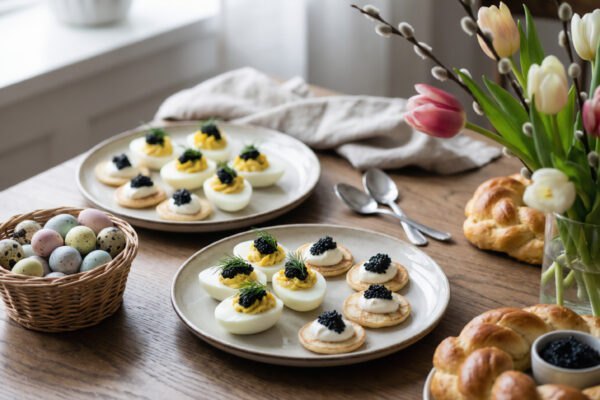
Crème fraîche adds creamy richness that balances the briny notes. Use small dollops rather than heavy layers that overwhelm. Finely chopped egg whites and yolks serve as traditional garnishes.
Lemon wedges should appear on the table but get used sparingly. A tiny squeeze brightens flavors without introducing sharp acidity. Many purists skip citrus entirely with high-quality grades.
Simple serving suggestions for intimate gatherings
Room temperature affects how quickly caviar warms outside refrigeration. Remove only the portion needed for immediate serving. Keep remaining product cold until guests need refills.
Arrange accompaniments in an organized layout that guides guest choices. Place caviar in the center with supporting elements surrounding it. This setup encourages proper pairing combinations.
Explain basic serving etiquette to first-time guests without seeming pretentious. Demonstrate the gentle handling technique needed for delicate beads. Share brief notes about the specific grade being served.
Intimate gathering setup:
- Chill serving plates before use
- Place caviar on ice bed in center
- Arrange accompaniments in small bowls nearby
- Position mother of pearl spoons with each element
- Set out individual plates and napkins
- Keep backup tin refrigerated until needed
Create a relaxed atmosphere that lets guests savor the experience at their pace. Dim lighting sets a refined mood without making the table too dark to see. Soft background music keeps conversation flowing naturally between tastings. Allow at least 20 minutes for the complete service so no one feels rushed. Encourage guests to try small amounts first before adding accompaniments. This approach helps everyone discover personal preferences through gradual exploration. Wait until guests finish their initial tastes before introducing pairing suggestions or serving additional varieties.
Common beginner mistakes to avoid during your first tasting
Taking excessively large spoonfuls overwhelms the palate with salt. Start with tiny amounts to appreciate subtle flavor layers. The goal centers on savoring rather than filling up.
Mixing caviar with too many accompaniments masks its character. Try the first taste alone to understand the pure flavor. Add single accompaniments afterward to compare effects.
Serving caviar at room temperature dulls its fresh taste. Cold temperatures maintain texture and flavor integrity. Warm eggs turn soft and lose their appealing characteristics.
Rushing through the tasting misses nuanced flavor development. Let beads rest on the tongue briefly before pressing them against the palate. This technique releases oils and compounds that create complexity.
Using metal spoons introduces off-flavors that taint the experience. Even stainless steel reacts chemically with caviar. Stick with traditional non-reactive materials for authentic taste.
Pro tip: Take small sips of chilled vodka or champagne between bites to cleanse the palate. This practice allows each taste to register fully without interference from previous flavors.
FAQ: Frequently Asked Questions
How much osetra caviar should be purchased for a first time tasting?
First-time tasters need smaller quantities to explore flavor profiles without overwhelming the palate. A serving size of 0.5 to 1 ounce per person works well for initial tastings. This amount allows proper appreciation without excess that might spoil before consumption. Starting with 30 grams provides enough for two people to share during an appetizer course.
Buying multiple small tins beats purchasing one large container for beginners. Opened caviar degrades quickly even with proper refrigeration. Smaller portions ensure freshness throughout the tasting experience. This approach also prevents waste if the specific grade doesn’t match personal preferences.
Tasting events require different calculations than full servings at dinner parties. A teaspoon per variety, roughly 5 to 10 grams, suits comparative tastings. This size lets buyers sample different grades side by side. The small format helps identify favorites before committing to larger purchases.
Can osetra caviar be eaten directly from the tin without any preparation?
Osetra caviar requires no cooking or special preparation before consumption. The curing process makes eggs ready to eat straight from the container. Simply remove the tin from cold storage and serve within minutes. Temperature matters more than any preparation technique.
Chilling maintains optimal texture and flavor during service. Remove caviar from the refrigerator 10 to 15 minutes before serving. This brief warming period brings out subtle flavor notes. The eggs should feel cold but not icy when served. Place the tin on crushed ice to maintain proper temperature at the table. Guests can spoon portions directly onto serving plates or blini.
What does malossol mean on osetra caviar labels?
Malossol translates from Russian as “little salt” or “lightly salted” in English. This term describes a curing method using less than 5% salt by weight. The technique preserves natural flavors without heavy brining that masks delicate taste notes. Traditional producers favor this approach for premium grades.
Lower salt content allows the true character of osetra eggs to shine through. Malossol curing creates balanced seasoning that enhances rather than overwhelms. The method requires extremely fresh roe and careful handling throughout processing. Only the highest quality eggs receive this minimal salt treatment. Heavily salted products typically indicate lower grade roe that needs extra preservation. Malossol marking signals careful craftsmanship and superior starting ingredients.
How can buyers identify fresh osetra caviar when making a purchase?
Fresh osetra displays glossy, distinct beads without cloudy film or surface residue. Each egg maintains individual definition rather than clumping together. The color should appear vibrant, whether golden or dark brown. A dull or faded appearance indicates age or improper storage conditions.
Aroma provides clear freshness indicators before tasting begins. Quality osetra smells clean and mildly briny like fresh seawater. Strong fishy odors signal spoilage or poor handling. The scent should invite rather than repel. Trust sensory instincts when evaluating questionable products.
Texture testing reveals freshness when visual and aroma checks pass inspection. Firm beads that pop cleanly indicate proper curing and storage. Mushy or sticky eggs suggest degradation from age or temperature abuse. Check the harvest date on packaging to confirm recent production. Fresh caviar arrives within weeks of processing, not months. Swollen or bloated tins signal bacterial growth and dangerous spoilage.
Does farm raised osetra caviar match the quality of wild caught varieties?
Farm raised osetra now equals or exceeds wild caught quality in most cases. Controlled aquaculture environments produce consistent results impossible in wild fisheries. Farmers regulate diet, water quality, and harvest timing for optimal egg development. These factors create superior texture and flavor profiles.
Wild sturgeon populations face severe decline from overfishing and habitat loss. Legal wild caviar has become nearly impossible to source through legitimate channels. Sustainable farms protect endangered species while meeting market demand. Modern farming techniques replicate natural conditions that sturgeon need for healthy growth.
Quality depends more on farming practices than on wild versus farmed origin. Reputable producers raise fish in pristine water with species-appropriate diets. These operations harvest at peak maturity when eggs reach ideal size and flavor. Farm raised products arrive fresher than wild alternatives that traveled longer distribution chains. Shorter transit times from farm to consumer preserve delicate qualities that define premium grades.
Conclusion
Premium osetra caviar demands knowledge and attention from first-time buyers who want satisfying experiences. Understanding grade classifications helps match products to personal preferences and budgets. Reading labels carefully ensures authentic sourcing from responsible farms. Proper storage techniques preserve quality from purchase through final consumption.
Selecting reputable vendors protects against common marketplace pitfalls and disappointments. Asking the right questions before buying reveals seller expertise and product authenticity. Appropriate serving methods honor the delicacy while creating memorable occasions. Simple preparations showcase natural flavors better than complicated presentations.
The journey into caviar appreciation starts with informed choices and continues through thoughtful handling. First-time buyers who follow these guidelines avoid costly mistakes while discovering what makes this delicacy so special. Each element contributes to an experience that justifies the investment and creates lasting appreciation.