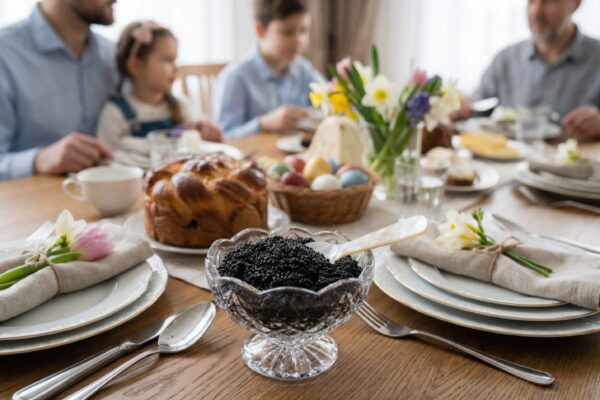

Easter is one of the few occasions that calls for a table set with real care. Roasted meats, fresh herbs, eggs in every form, smoked fish, and soft breads all come together on that one festive day. Premium black caviar sits naturally among these dishes, adding a briny, oceanic depth that makes each bite feel like a true celebration.
The pairing is not accidental. Many traditional Easter foods share the same flavor principles that make caviar work so well at the table: mild fat, clean acidity, and a soft, neutral base that lets bold flavors come forward. Once the right combinations are understood, black caviar stops feeling like an afterthought and becomes the quiet centerpiece of the whole spread.
Why premium black caviar deserves a place on the Easter table
Spring is the natural season for fresh roe. Historically, sturgeon populations were most active in early spring, which made caviar a seasonal food tied directly to the time of year when Easter falls. This overlap between nature and tradition made caviar a recurring feature on festive spring tables across Russia, Eastern Europe, and the Middle East for centuries.
Today, farm-raised caviar has made this seasonal quality consistent year-round. Yet the association between spring celebrations and quality black caviar remains strong. Serving it at Easter connects the meal to a long, cross-cultural tradition of marking renewal with the finest foods available.
The cultural tradition of caviar at spring celebrations
Across Orthodox Christian countries, Easter is the most important feast of the year. In Russia, Georgia, and Greece, the Easter table has historically featured caviar alongside bread, cheese, and cured fish. These foods were served after the long Lenten fast, making the contrast between austere weeks and a rich feast table especially vivid.
In Persian cuisine, the Nowruz spring celebration has included roe from Caspian sturgeon for more than a thousand years. This tradition confirms that the pairing of sturgeon black caviar with spring feasting is not a modern trend. It is a food habit rooted in geography, season, and cultural memory.
How malossol black caviar enhances festive dining
Malossol black caviar takes its name from the Russian phrase for “little salt.” The preparation uses less than 5% salt by weight, which preserves the roe while keeping its natural flavor intact. This low-salt method produces a clean, oceanic taste without the heavy brine found in more processed varieties.
At a festive table, this matters. Easter dishes tend to carry their own seasoning, from the herb crust on roasted lamb to the smoked richness of salmon. A caviar that is too salty would clash with these flavors. Malossol black caviar sits lightly, adding depth without dominating.
Black caviar without preservatives takes this principle further. When caviar contains only roe and salt, the flavor remains honest and direct. Additives can mask or alter the taste profile, which reduces the quality of every pairing. PremiumCaviar produces its caviar without preservatives, relying solely on the malossol method to maintain freshness.
What makes sturgeon black caviar a seasonal luxury
Sturgeon black caviar comes from fish that require years to mature before producing roe. Siberian sturgeon, for example, reach egg-bearing age between six and ten years. This long production cycle makes each tin a product of sustained effort and careful aquaculture.
The eggs from sturgeon are firm, slightly glossy, and burst cleanly on the palate. The flavor combines a briny first note with a lingering, almost nutty finish. This natural quality is what makes fresh caviar a genuine seasonal treat rather than a novelty.
Classic Easter starters that shine alongside black caviar
The first course sets the tone for the whole Easter meal. Light, well-composed starters build appetite without overwhelming the table. Black caviar fits naturally into this role. Its small portion size means it can appear on several different starter plates without feeling repetitive, and each base food it sits on draws out a different aspect of its flavor.
Blinis with crème fraîche and fresh caviar toppings
Blinis are small buckwheat pancakes with a slightly sour, earthy taste. That sourness comes from the fermentation in the batter, and it works as a natural counterpoint to the salt in the roe. A thin spread of crème fraîche between the blini and the caviar adds fat, which softens the briny edge and rounds the taste.
Fresh caviar on blinis is one of the most time-tested pairings in festive cooking. The soft, absorbent texture of the pancake holds the roe in place and warms it slightly from below, which opens up the aroma without letting the eggs become too warm. Serve the blinis straight from the pan and top them at the last moment for the best result.
This starter works for a seated Easter brunch or as a passed appetizer. The portion is small, the preparation is straightforward, and the result reads as both festive and refined.
Devilled eggs elevated with quality black caviar
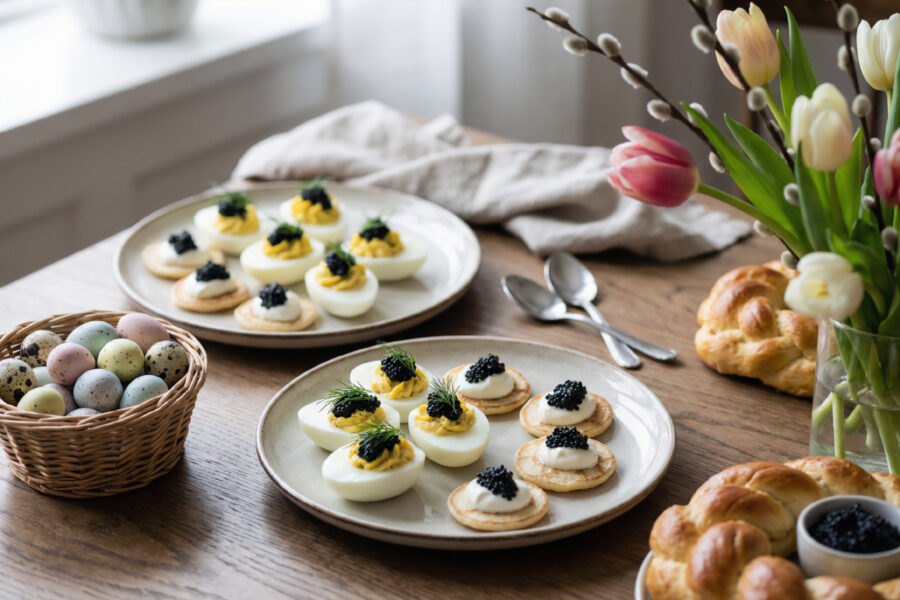
Devilled eggs are a natural Easter food. The base is a cooked egg yolk mixed with mustard, cream, and seasoning, then piped back into the white. A small amount of quality black caviar placed on top of each filled egg half adds a burst of briny flavor that contrasts with the creamy, mild yolk mixture.
The pairing works because eggs and roe share a common origin. The fat in the yolk filling softens the salt of the caviar, while the caviar adds a textural contrast that plain devilled eggs lack. The visual result, dark roe against pale yellow filling, also looks striking on an Easter table.
Egg pairings for Easter starters:
- Devilled eggs with crème fraîche and a teaspoon of black caviar per half
- Soft-boiled quail eggs served alongside a small caviar portion
- Baked egg tartlets with a caviar finish added just before serving
Quail eggs make a particularly elegant alternative. Their small size matches the caviar pearls in scale, and they carry a richer, creamier yolk than standard hen eggs.
Smoked salmon boards paired with osetra black caviar
Smoked salmon and caviar are classic companions on a cold fish board. The smoke adds a warm, woody note that plays against the clean oceanic flavor of the roe. Osetra black caviar is a natural match here because its nutty, slightly creamy flavor profile complements the richness of cured salmon without repeating the same taste.
A well-arranged Easter board might include thin slices of cold-smoked salmon, a small pot of osetra black caviar, capers, thinly sliced red onion, and good rye bread. Each element on the board is meant to be eaten in different combinations, so the caviar acts as a seasoning as much as a standalone feature.
Osetra black caviar eggs range in color from dark brown to amber gold, and their firm texture holds up well on a board where other foods carry strong flavors. The nutty finish of osetra cuts through the fat of the salmon and leaves a clean aftertaste.
Cucumber rounds and light canapés as caviar bases
For guests who prefer a lighter, grain-free base, thin cucumber rounds work well as caviar platforms. The water content of cucumber cools and refreshes the palate between bites, and the mild, green flavor does not compete with the roe. A small dollop of cream cheese or sour cream on each round holds the caviar in place and adds the necessary fat to carry the flavor.
Other light canapé bases include small potato rounds (boiled and cooled), water crackers, and thin toast points. Each base changes the tasting experience slightly. Potato adds an earthy starch note, crackers add a dry crunch, and toast points add a slight caramelized flavor from the heat.
| Base | Flavor contribution | Texture |
|---|---|---|
| Cucumber round | Fresh, neutral, cooling | Crisp, firm |
| Boiled potato round | Earthy, starchy, mild | Soft, dense |
| Water cracker | Neutral, dry | Crunchy, thin |
| Toast point | Lightly toasted, buttery | Crisp, airy |
| Blini | Sour, earthy (buckwheat) | Soft, absorbent |
The variety matters on an Easter table where guests have different preferences. Offering two or three base options lets each person find the pairing that suits their palate.
Main Easter dishes that complement the flavor of black caviar
Moving from starters to main dishes, the question becomes one of balance. Black caviar carries a strong, saline flavor, so the main dish needs enough body to stand alongside it without being masked. Easter mains, roasted meats, baked fish, and egg-based dishes, all meet this standard when prepared well.
Roasted lamb and the contrast of briny caviar notes
Roasted lamb is the most iconic Easter main course across Mediterranean and Middle Eastern traditions. The meat carries a distinct, gamey richness that pairs with strong, contrasting flavors. Premium black caviar served as a small side condiment alongside roasted lamb works on exactly this principle.
The briny, oceanic salt of the caviar cuts through the fat of the lamb and acts as a palate cleanser between bites. This is the same role that mint jelly or anchovy butter plays in traditional lamb service, but with a more direct, mineral quality. The caviar is not placed on the lamb itself; it sits on a separate small spoon or blini and is eaten between bites of meat.
This pairing may seem unconventional, but the flavor logic is sound. Salt and fat are natural partners, and the roe’s clean finish prevents the richness of the lamb from becoming heavy.
Seafood mains that harmonize with fresh caviar
Seafood Easter mains, poached whole fish, baked sea bass, or cold halibut with herb sauce, share the same flavor family as fresh caviar. Both come from water, both carry a clean, mineral quality, and both are best when not overcooked or overseasoned.
Caviar pairings for seafood mains:
- Poached halibut with a small caviar garnish and lemon butter sauce
- Baked sea bass with herb oil and a teaspoon of caviar placed on each portion just before serving
- Cold-poached salmon served with a caviar and sour cream sauce on the side
- Scallops with a butter pan sauce finished with a single scoop of quality black caviar
The key is to add the caviar after cooking, never during. Heat destroys the texture of the roe and turns the flavor metallic. The caviar should be cold when it meets the warm fish, and the contrast between the two temperatures is part of what makes the pairing work.
Fresh caviar from PremiumCaviar is processed without preservatives and packed to maintain full freshness, which makes it suitable for this kind of direct, uncooked application on warm dishes.
Egg-based dishes as a natural match for black caviar without preservatives
Eggs are central to Easter in both symbolic and culinary terms. Baked egg dishes, frittatas, egg gratins, and savory egg tarts all carry a mild, creamy flavor that acts as a neutral backdrop for caviar.
Black caviar without preservatives is the right choice for egg dishes because the clean salt of natural caviar does not clash with the delicate sulfur notes in cooked eggs. Preserved caviars with additives can carry a slightly metallic or chemical aftertaste that shows up against the neutral flavor of eggs.
A simple Easter frittata with spring herbs, leeks, and crème fraîche becomes a more festive dish when a small amount of caviar is added to each plated slice. The heat of the egg slowly warms the roe at the table, releasing its aroma without cooking it. The result is a dish that reads as both rustic and refined.
Pro tip: Place caviar on warm egg dishes at the table, not in the kitchen. The warmth of the egg is enough to open the caviar’s aroma. Adding it too early causes the eggs to lose their glossy texture and firm pop.
Where to buy premium black caviar for the Easter table
Finding quality black caviar that holds up to the demands of festive cooking requires more than a good product. It requires a source with clear standards at every stage, from how the fish are raised to how the roe is packed and delivered. PremiumCaviar is a boutique caviar shop that sources fresh black caviar from sustainably farmed sturgeon raised in the clean spring waters of northern Italy.
Every tin is produced without preservatives or artificial treatments, relying entirely on the traditional malossol method to maintain freshness. This commitment to a fully natural product means the flavor stays honest and direct from the moment the tin is opened.
Premium Siberian sturgeon and osetra caviar selection
PremiumCaviar carries two core varieties, each with a distinct flavor profile suited to different Easter dishes.
Caviar varieties at PremiumCaviar:
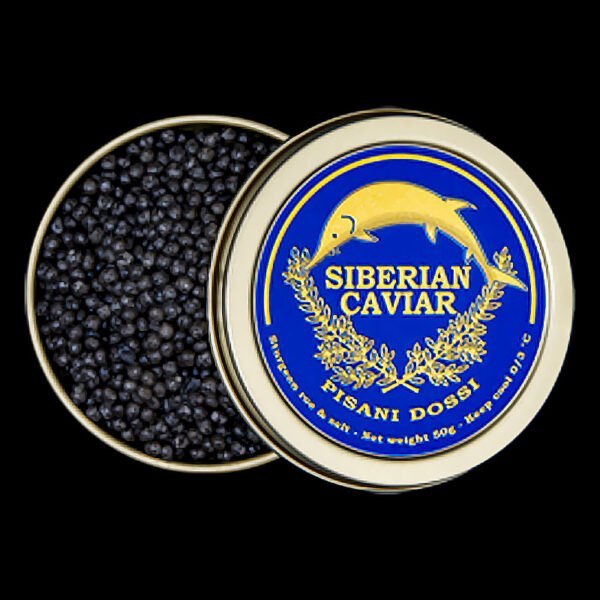
- Premium Siberian Sturgeon Black Caviar — sourced from Acipenser baerii raised for at least nine years before harvest; eggs measure 2.6 to 3.0 mm with a mild, clean taste and a light finish of hazelnut and wild berries
- Premium Osetra Black Caviar — produced from a hybrid of Russian Acipenser gueldenstaedtii and Siberian sturgeon; larger grains of 2.9 to 3.2 mm with a mild, creamy taste and a distinct walnut aftertaste; color ranges from pearl grey to amber

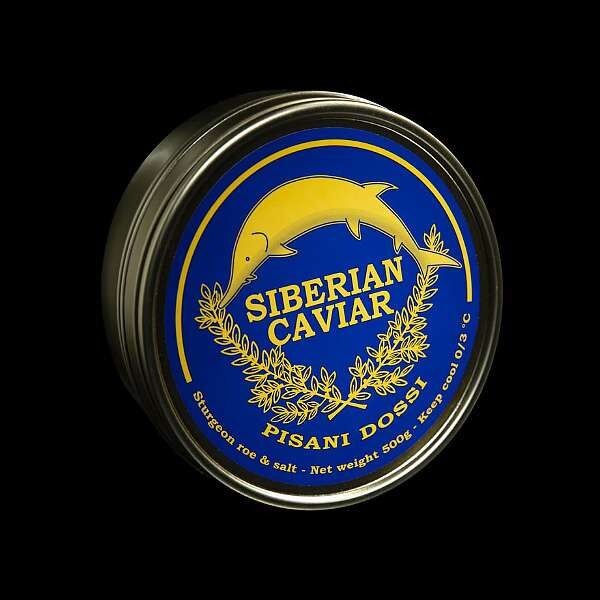

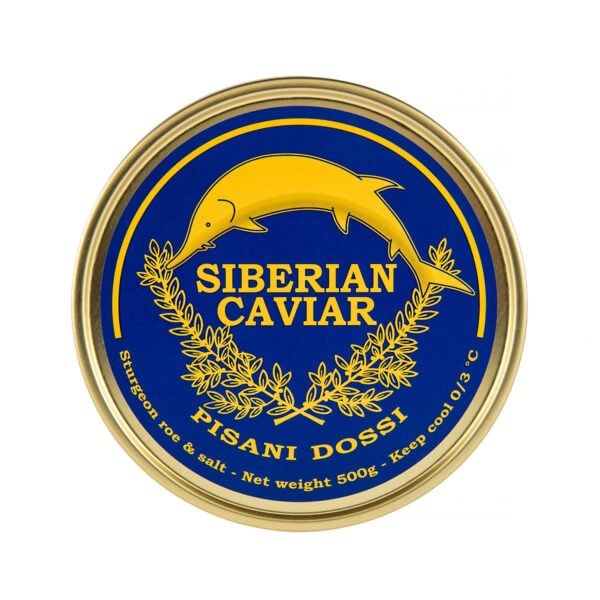
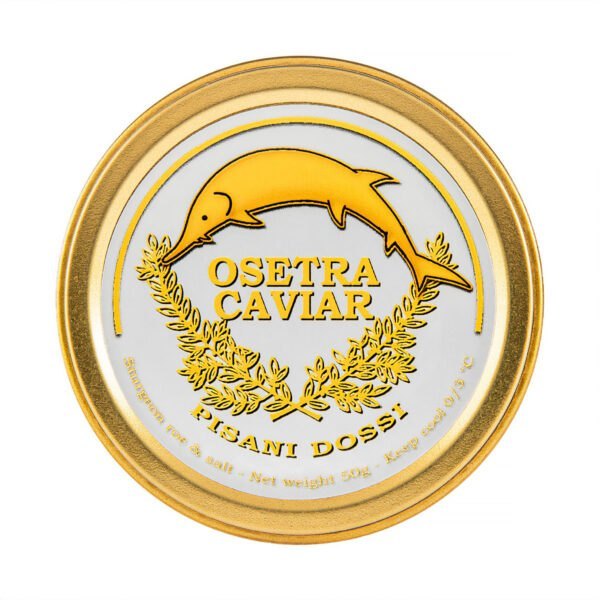

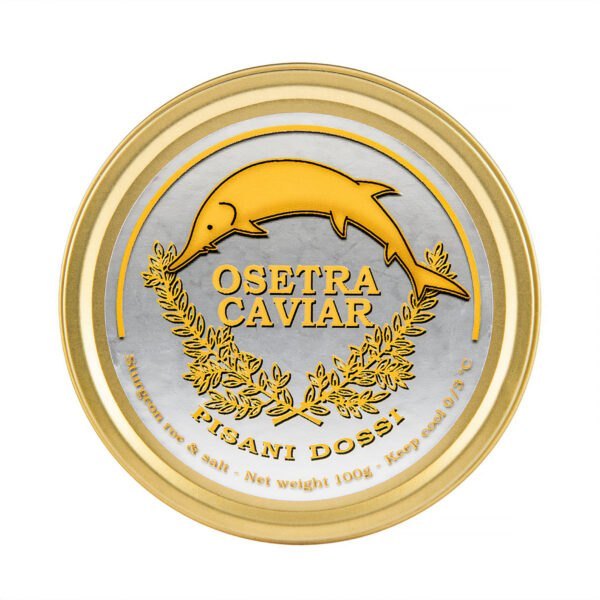
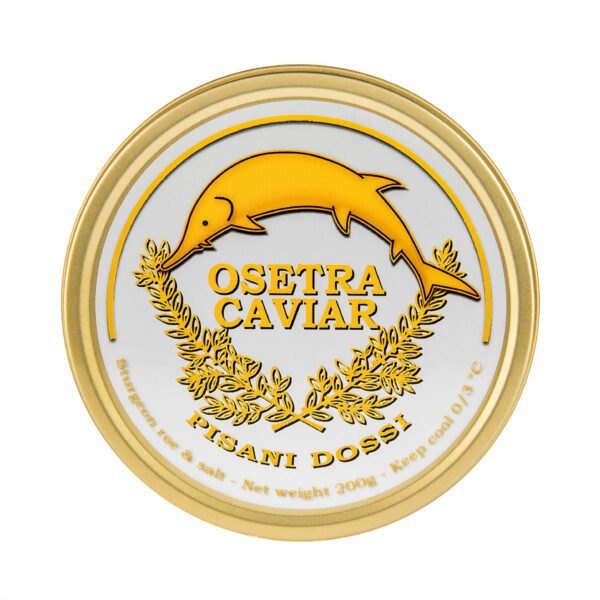
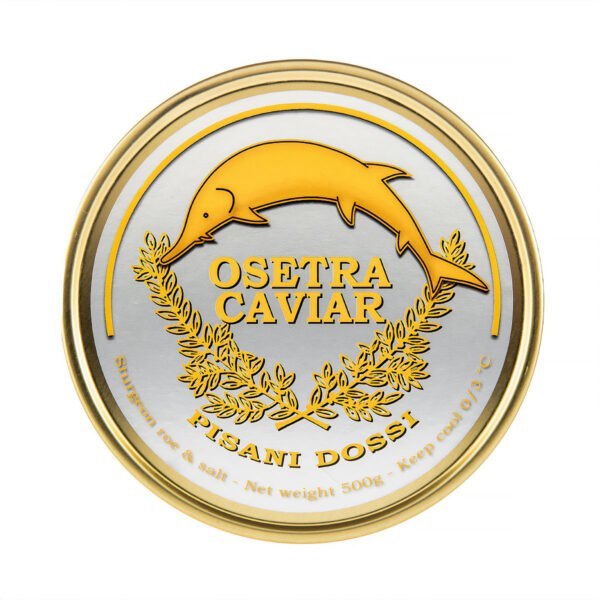
Both varieties are hand-processed at every stage, from sieving and washing through to tin-filling. No mechanical processing touches the eggs at any point. Each batch undergoes strict selection based on grain size, color, and firmness, which produces a consistent product across every order.
Delivery, packaging and customer satisfaction
PremiumCaviar packs all orders in vacuum-sealed tins with full batch traceability from farm to table. Fast delivery within Switzerland and the European Union means the caviar arrives fresh and in proper condition, ready for the Easter table.
Clients who have ordered from PremiumCaviar consistently highlight three qualities in their feedback: the natural taste of the roe, the care taken with packaging, and the speed of fulfillment. Many note that the caviar arrives in the same condition as a direct boutique purchase.
For Easter orders or questions about which variety best suits a specific dish, the PremiumCaviar team is available for direct consultation. A personal recommendation based on the planned menu and portion requirements takes the guesswork out of choosing between Siberian and osetra. Visit the PremiumCaviar shop to browse the full selection of fresh black caviar and place an order ahead of the Easter celebration.
Serving and presentation tips for black caviar at Easter
Good serving technique protects the quality of premium black caviar from the moment the tin is opened to the moment it reaches the table. A few specific practices make the difference between caviar that tastes as intended and caviar that has been compromised by incorrect handling.
Choosing the right temperature and vessels for caviar service
The ideal serving temperature for sturgeon black caviar sits between 28°F and 34°F, which is just above freezing. At this range, the eggs stay firm, their aroma stays clean, and the fat in the roe does not begin to separate. A tin placed directly on crushed ice inside a glass or ceramic bowl achieves this without effort.
Metal spoons should never touch caviar. Metal reacts with the oils in the roe and introduces a metallic taste that distorts the flavor. Mother-of-pearl spoons are the standard choice for serving. Bone, wood, and plastic spoons also work.
Vessel and utensil guidance:
- Use a glass or ceramic serving bowl filled with crushed ice
- Place the unopened tin on the ice for 10 to 15 minutes before service
- Scoop with a mother-of-pearl spoon using a shallow, gentle motion
- Keep the tin covered between servings to slow temperature rise
The tin itself should not be placed in water or left on wet ice for more than 30 minutes without checking that moisture has not entered around the lid.
Portion guidance and when to introduce caviar during the meal
A standard serving of caviar at a festive table runs between 20 and 30 grams per person when used as a starter topping or canapé garnish. When caviar is the primary starter, a portion of 50 grams per person is more appropriate.
Timing matters at an Easter meal. Caviar works best at the beginning of the meal when the palate is fresh. The salt and mineral notes of the roe register most clearly before richer dishes have coated the tongue. Placing caviar after a heavy soup or immediately after a meat course reduces the ability to taste its subtler notes.
A practical sequence for an Easter caviar service:
- Open the tin and nest it in ice 15 minutes before guests sit down
- Serve caviar as the first item at the table, before bread and butter are distributed
- Pair with a cold, dry beverage to keep the palate clean between bites
- Allow any remaining caviar to stay on ice and serve a second round after the starter course if the portion allows
Pro tip: Prepare all accompaniments, blinis, crème fraîche, cucumber rounds, and spoons, before opening the tin. Once opened, quality black caviar begins to oxidize, and every minute spent at room temperature reduces the freshness of the roe.
FAQ: Frequently Asked Questions
What Easter dishes pair best with black caviar?
The most natural Easter pairings for black caviar are dishes built around mild fat, soft textures, and clean flavors. Blinis with crème fraîche, devilled eggs, smoked salmon boards, and baked egg tarts all work well. These foods share a common trait: they carry enough body to hold the caviar’s briny salt without masking its natural taste.
Roasted lamb also pairs well when black caviar is served as a small side condiment between bites. The mineral quality of the roe cuts through the richness of the meat and acts as a palate cleanser.
Why does black caviar work so well with egg-based Easter dishes?
Eggs and roe share a close flavor relationship. Both carry a natural fat content that softens strong salt notes, and the mild, creamy taste of cooked eggs creates a neutral backdrop that lets the caviar speak. Devilled eggs, baked frittatas, and egg tarts all serve this purpose well at an Easter table.
The key is to add caviar after the egg dish is cooked and plated, never during the cooking process. Heat destroys the texture of the roe and changes its flavor profile entirely. Cold caviar placed on warm eggs releases its aroma slowly, which makes each bite more expressive.
What is the correct way to serve black caviar at an Easter meal?
Black caviar should be served cold, nested in a bowl of crushed ice. The ideal temperature sits between 28°F and 34°F, which keeps the eggs firm and the aroma clean. Metal spoons must be avoided entirely, as metal reacts with the oils in the roe and introduces an off-flavor. Mother-of-pearl, bone, or plastic spoons are the right choice.
Timing also matters. Caviar works best as the first item at the table, before richer dishes have coated the palate. Opening the tin just before service and keeping it on ice preserves freshness throughout the meal.
Can black caviar be paired with roasted lamb at Easter?
Roasted lamb and black caviar may seem like an unusual combination, but the pairing follows clear flavor logic. Lamb carries a rich, gamey fat that calls for a sharp, contrasting flavor. The salt and mineral notes of black caviar fulfill that role, working in the same way that anchovy butter or mint sauce does in classic lamb recipes.
The caviar is not placed directly on the lamb. Instead, a small portion is served separately on a blini or spoon and eaten between bites of meat. This keeps the two flavors distinct while allowing them to interact on the palate.
What drinks pair well with black caviar at an Easter table?
Dry sparkling wine is the most widely recommended drink alongside black caviar. The fine bubbles and crisp acidity cut through the fat of the roe and refresh the palate between bites. Still dry white wines with high acidity, such as those from the Chablis region in France, also work well for the same reason.
Ice-cold vodka is a traditional Eastern European pairing that remains popular. The neutral spirit does not compete with the caviar’s flavor and cleanses the palate cleanly. Avoid sweet wines, fruit-forward drinks, and heavily oaked whites, as these clash with the briny, oceanic quality of the roe.
How much black caviar should be served per person at Easter?
For canapés and starter toppings, a portion of 20 to 30 grams per person is standard. When black caviar is the primary starter rather than a garnish, a serving of around 50 grams per person is more appropriate. These amounts apply to adult guests at a sit-down Easter meal.
For a shared tasting board with multiple accompaniments, smaller amounts distributed across several bases allow guests to try different pairings without running through the tin quickly. Preparing all bases, blinis, cucumber rounds, and toast points, before opening the tin means the caviar spends the least time exposed to air and room temperature.
Conclusion
Easter and premium black caviar share more than a date on the calendar. Both are associated with renewal, care in preparation, and the pleasure of sharing something well-made at the table. The dishes that work best alongside caviar, blinis, smoked fish, roasted lamb, egg tarts, and fresh seafood, are all foods that carry enough flavor to complement the roe without overwhelming it.
The pairing principles are consistent: fat carries the salt, mild bases let the flavor speak, and temperature control protects the texture. Whether malossol black caviar appears as a small accent on a devilled egg or as the centerpiece of a cold fish board, the result depends on choosing fresh caviar processed without shortcuts and serving it with the care it deserves.
A table set with real attention to these details produces an Easter meal that guests remember. The dishes do not need to be complex. Good sturgeon black caviar on a warm blini with crème fraîche, served cold and eaten fresh, is already a complete and satisfying course on its own.
Sources:
- https://en.wikipedia.org/wiki/Caviar
- https://en.wikipedia.org/wiki/Sturgeon
- https://en.wikipedia.org/wiki/Easter_traditions
- https://pmc.ncbi.nlm.nih.gov/articles/PMC8070692/
- https://edis.ifas.ufl.edu/publication/FA194
- https://folklife.si.edu/magazine/foodways-holidays-caviar-escargots