
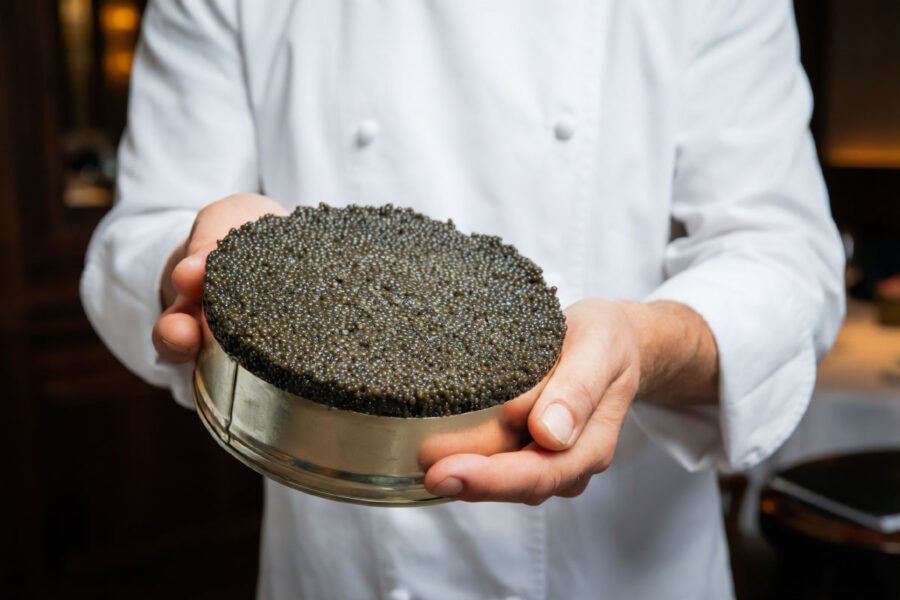
Professional kitchens around the world continue to select malossol osetra caviar as their preferred choice for plating and presentation. The term malossol translates to “little salt” and describes a delicate curing technique that preserves the roe’s natural qualities. This method stands apart from heavily salted preparations that can mask the authentic taste and texture of sturgeon eggs. The distinction between processing methods affects every aspect of the final product, from shelf life to flavor complexity.
Top-tier restaurants value this caviar for its distinct nutty profile and firm bead structure. The minimal salt content allows the natural ocean flavors to remain at the forefront of each bite. Chefs working with luxury ingredients recognize how this processing technique protects the caviar’s delicate character while maintaining freshness over reasonable service periods. The eggs deliver a clean pop on the palate that signals quality to knowledgeable diners.
The choice reflects both culinary expertise and business strategy in equal measure. Osetra caviar provides a balance between quality, flavor complexity, and practical kitchen applications that few other luxury ingredients can match. Restaurants build their reputations on ingredient selection, and this particular variety delivers the prestige diners expect from high-end establishments. The ability to source sustainably while maintaining premium standards makes the decision even more compelling for modern culinary professionals.
Understanding the malossol processing method and its impact on quality
The malossol preservation technique represents a careful balance between protection and flavor that requires expert execution. Fresh caviar receives between three and five percent salt by weight immediately after harvest. This light application preserves the roe without creating excessive brininess that would overwhelm the natural taste. The method requires precision because too much salt alters the fundamental character, while too little salt compromises shelf life and safety. Master caviar producers choose this approach for their finest roe because it maintains the authentic expression of the sturgeon’s unique characteristics.
Traditional salting techniques can use ten percent salt or more by weight. These heavier applications extend storage time considerably but fundamentally change the product’s character at every level. The eggs become harder and less pleasant in texture. The flavor turns sharply salty and loses the subtle nuances that define premium caviar. Modern producers reserve heavy salting for lower grade roe that lacks the quality to justify gentle treatment.
What makes malossol preservation different from traditional salting techniques
Traditional preservation methods prioritize longevity over taste at every decision point. Heavy salt draws moisture from the eggs and creates a firmer, dryer texture that some find unpleasant. This approach extends storage periods to months or even years without refrigeration. The trade-off comes at the cost of the caviar’s original flavor profile and delicate mouthfeel. Historical necessity drove these methods before modern refrigeration became widely available.
Processing technique distinctions separate malossol from conventional approaches in measurable ways:
- Salt percentage ranges from three to five percent compared to ten percent or higher in traditional methods
- Moisture retention keeps eggs plump and tender rather than dried and firm
- Taste impact preserves nutty and creamy notes instead of overpowering them with salt
- Shelf life requires colder storage and faster consumption within weeks rather than months
- Quality markers signal premium grade caviar to knowledgeable buyers and chefs
The reduced salt means careful handling becomes necessary throughout the distribution chain. Producers must maintain strict temperature controls during processing, storage, and shipping. Each batch receives individual attention during the curing phase rather than bulk treatment. This personalized approach costs more in labor and facilities but delivers superior results that command premium pricing.
How minimal salt content enhances the natural flavor profile
Lower salt levels allow the authentic taste of sturgeon roe to shine through without interference. Diners experience the oceanic notes, subtle sweetness, and characteristic nuttiness that define quality caviar. The eggs release their flavor gradually across the palate rather than hitting with immediate saltiness. This layered tasting experience creates the memorable quality that restaurants seek when investing in premium ingredients.
Chefs appreciate this quality when pairing caviar with other ingredients on composed plates. The gentler cure works harmoniously with accompaniments like crème fraîche, blini, and champagne without creating conflicts. Strong salt content would clash with these traditional partners and create an unbalanced bite that disappoints sophisticated diners. The malossol method enables creative applications that would fail with heavily salted alternatives.
The delicate preservation also protects nutritional elements within the roe that contribute to health benefits. Omega-3 fatty acids, vitamins, and minerals remain intact through gentle processing. Excessive salt can break down some of these beneficial components during extended curing periods. Guests seeking both luxury and nutrition find properly processed caviar meets both objectives without compromise.
The role of temperature control in maintaining caviar freshness
Temperature regulation starts at harvest and continues through every stage of distribution and service. Processing facilities maintain environments between 28 and 32 degrees Fahrenheit throughout handling and curing. This narrow range prevents bacterial growth while keeping the eggs from freezing and rupturing. Any temperature fluctuation can damage the roe’s structure and compromise quality in ways that become immediately apparent to trained palates.
Modern farms use recirculating aquaculture systems that provide precise environmental control for the living sturgeon. Water temperature remains constant throughout the fish’s life cycle from juvenile to maturity. This consistency produces roe with uniform characteristics batch after batch. Stress from temperature swings can affect egg development and final quality even before harvest occurs.
Storage after processing demands equal attention to detail in professional settings. Restaurants keep malossol caviar in the coldest part of refrigeration units, ideally between 26 and 34 degrees Fahrenheit. The product never sits at room temperature for extended periods during service. Staff transfer tins to ice-filled presentations immediately before guest consumption. Remove the caviar from refrigeration roughly ten to fifteen minutes before serving to allow proper temperature for optimal flavor release.
The distinctive taste and texture that sets osetra apart
Osetra caviar develops a complexity that distinguishes it from other sturgeon varieties through multiple sensory dimensions. The eggs range from medium to large size with a firm outer membrane that provides satisfying resistance. When bitten, each bead pops cleanly and releases its contents in a controlled burst. This textural element becomes part of the eating experience that guests remember long after the meal. The structural integrity reflects both the sturgeon’s health and proper processing techniques.
The flavor profile unfolds in layers rather than arriving all at once in a single note. Initial brininess gives way to buttery richness that coats the palate. Nutty undertones emerge as the roe moves across the tongue and releases additional flavors. Some batches carry subtle fruity notes or earthy elements depending on the water source and feed composition. These variations add interest without overwhelming the core characteristics that define the variety.
Color variations span from pale golden amber to deep brown in natural presentations. Lighter shades often indicate younger fish while darker hues suggest maturity and specific genetic lines. The visual appeal adds to the presentation value on fine dining plates where appearance matters as much as taste. Chefs can select color ranges that complement specific dish compositions and create striking visual contrasts.
Comparing the buttery notes of osetra to beluga and sevruga varieties
Each sturgeon species produces roe with distinct characteristics that appeal to different preferences. Beluga caviar features large, pale gray eggs with a creamy consistency that almost melts on contact. The beads provide minimal resistance when bitten. The taste remains subtle and delicate throughout the experience without strong flavor evolution.
Sevruga sturgeon yield smaller eggs with a more intense ocean flavor that arrives immediately. The salt comes through stronger and the texture feels less substantial than other varieties. These eggs burst quickly without the firm pop of osetra that many diners prefer. The smaller size also creates different visual effects on plated presentations.
| Characteristic | Beluga | Osetra | Sevruga |
|---|---|---|---|
| Bead size | Large | Medium | Small |
| Texture | Soft, melts quickly | Firm with clean pop | Delicate, bursts easily |
| Primary flavor | Buttery, subtle | Nutty, layered | Briny, intense |
| Color range | Light gray to black | Golden to dark brown | Dark gray to black |
| Flavor evolution | Quick, uniform | Gradual, complex | Immediate, straightforward |
Osetra caviar occupies the middle ground between these extremes in ways that appeal to professional chefs. The eggs provide enough substance to feel satisfying without overwhelming delicacy. The flavor offers more interest than beluga but remains smoother and more refined than sevruga. This balance makes it versatile across different menu applications and guest preferences.
Why the firm yet delicate bead structure matters to professional chefs
Kitchen applications require caviar that holds up during plating without losing its essential character. Soft eggs can rupture under gentle handling and leak their contents onto plates. This creates messy presentations that fail to meet professional standards expected in upscale establishments. The structural integrity of osetra beads allows precise placement on dishes during busy service periods. Chefs can work confidently without excessive waste from damaged eggs.
The clean pop delivers a sensory element beyond taste that diners notice immediately. Guests perceive texture as part of the complete flavor experience. The satisfying burst signals freshness and quality to knowledgeable consumers. Eggs that feel mushy or deflated suggest inferior product or poor handling somewhere in the supply chain. This textural element becomes part of the value proposition that justifies premium pricing.
Structural advantages in professional settings enable various applications:
- Plating precision allows eggs to maintain shape during transfer from tin to plate
- Service window stability means structure holds for several minutes after plating
- Guest experience delivery provides clear pop that creates memorable mouthfeel
- Garnish stability keeps beads intact on canapés and hors d’oeuvres during passed service
- Visual appeal helps firm eggs catch light and photograph well for social media
This durability also matters during preparation phases in busy kitchens. Chefs can portion caviar in advance without risk of deterioration before service. The eggs withstand brief periods at cool room temperatures during service rushes without structural collapse. This practical consideration affects workflow efficiency during peak dining periods.
Exploring the nutty and creamy undertones that define premium osetra
The signature nuttiness comes from the sturgeon’s diet and environment during its development years. Fish raised in clean water with quality feed develop these desirable characteristics consistently. The taste resembles hazelnuts or walnuts with a subtle sweetness underneath. This earthy element balances the oceanic brininess and creates complexity on the palate. The flavor profile becomes distinctive enough that experienced tasters can identify osetra without visual confirmation.
Creamy notes emerge from the natural fats within the roe that coat the mouth. Osetra eggs contain rich oils that extend the flavor experience beyond the initial burst. This luxurious mouthfeel keeps guests engaged with each bite rather than experiencing a quick flavor spike. The lingering finish allows proper appreciation of the caviar’s nuances. This extended sensory engagement justifies the premium positioning on restaurant menus.
Some batches reveal additional layers of complexity beyond the core profile. Floral hints, mushroom-like earthiness, or light citrus notes can appear depending on specific conditions. These subtle variations add interest without overwhelming the fundamental characteristics. Experienced chefs learn to recognize these nuances when selecting suppliers and specific batches for menu applications.
Color variations and their relationship to flavor intensity
Golden osetra caviar ranks among the most prized for both appearance and taste characteristics. The lighter hue indicates specific sturgeon genetics and age at harvest. These eggs command attention on white plates and create striking visual contrast in presentations. The flavor tends toward the buttery end of the spectrum with less pronounced ocean notes.
Medium brown eggs represent the classic osetra appearance that most diners recognize. This color range delivers the characteristic nutty profile most strongly associated with the variety. Chefs working with this shade can rely on consistent flavor performance across batches from established suppliers. The appearance meets guest expectations for traditional osetra presentations.
Dark brown to black osetra approaches the intensity of sevruga in both color and taste. The deeper color correlates with slightly more pronounced ocean notes and firmer texture. These eggs work well when chefs want the dish to feature a bolder caviar presence. The visual weight matches richer accompanying ingredients on composed plates.
Pro tip: Request color-specific batches when menu items demand particular visual presentations. Lighter eggs shine on delicate seafood preparations while darker shades complement beef or game dishes without getting lost visually.
Versatility in fine dining applications and menu design
Malossol osetra adapts to numerous culinary contexts without losing its identity or distinctive character. Traditional European presentations allow the caviar to dominate as the star ingredient with minimal accompaniments. Modern fusion approaches integrate it into more complex flavor combinations that span global cuisines. The gentle cure supports both philosophies without creating conflicts or overpowering other elements.
Chefs value ingredients that perform successfully across multiple courses and applications. Osetra can appear in amuse-bouche, seafood courses, and even meat preparations throughout tasting menus. This flexibility maximizes the return on ingredient investment while showcasing versatility. Kitchen teams become more familiar with proper handling when working with the product regularly across different stations.
The flavor profile pairs successfully with both classic and contemporary accompaniments without limitation. Blini, crème fraîche, and champagne remain popular choices for good reason. These traditional partners work because they support rather than compete with the caviar’s delicate flavors. Modern chefs also explore pairings with Asian flavors, tropical fruits, and vegetable preparations that create unexpected but harmonious combinations.
Classic preparations that showcase malossol osetra’s delicate character
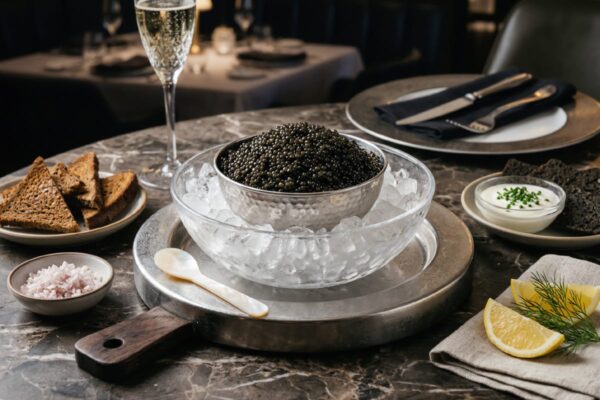
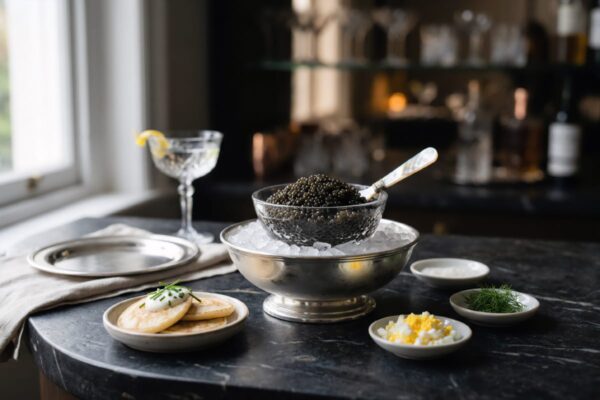
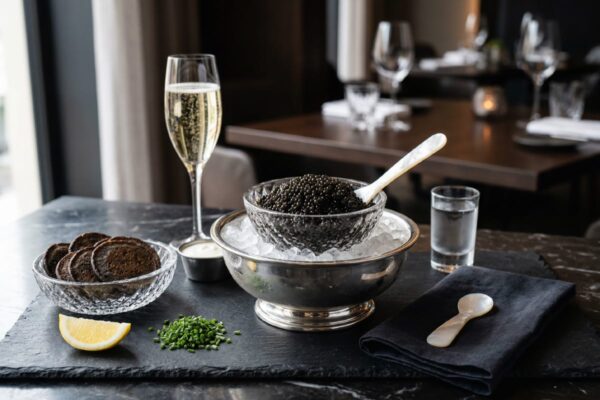
The Russian presentation style emphasizes simplicity and purity above all other considerations. Caviar sits on mother-of-pearl spoons to avoid metallic interference with taste perception. Temperature control remains critical throughout service to maintain optimal texture and flavor release.
Traditional accompaniment elements create balanced presentations:
- Blini provide small buckwheat pancakes with subtle base flavor
- Crème fraîche adds dairy richness that complements without overwhelming
- Chopped egg offers whites and yolks separated for textural contrast
- Minced shallot contributes sharp bite that cuts through the richness
- Toast points give neutral vehicles for caviar delivery
French preparations often feature the caviar atop oysters or poached fish where seafood creates cohesion. The ocean-to-table narrative resonates with diners seeking authentic luxury experiences. Light sauces made with champagne or white wine enhance the presentation without masking the roe’s natural qualities. These classic approaches endure because they showcase rather than disguise the premium ingredient.
Modern fusion techniques embracing this luxury ingredient
Contemporary chefs incorporate osetra caviar into globally inspired dishes that challenge traditional boundaries. Japanese preparations place it on sushi or sashimi where the firm texture works well with rice and raw fish. The caviar adds luxury to familiar formats without alienating guests who might hesitate to try purely Russian presentations. This accessibility expands the potential customer base for caviar service.
Latin American chefs use caviar to elevate ceviches and tiraditos in creative applications. The citrus marinades in these dishes require caviar that won’t break down immediately on contact. Osetra’s structural integrity survives brief exposure to acidic elements without losing textural appeal. The combination creates interesting contrasts between bright acid and rich caviar flavors.
Creative pairing approaches demonstrate versatility:
- Tropical fruits like mango and passion fruit provide sweet-tart contrast
- Asian aromatics including ginger and lemongrass add brightness
- Vegetable platforms such as cucumber rounds or jicama slices offer neutral bases
- Protein crossover applications garnish beef tartare or lamb preparations
- Dessert innovations feature caviar with brown butter ice cream or caramel
These applications succeed because the malossol processing preserves enough caviar character to stand up to bold flavors. Heavily salted alternatives would clash with diverse taste profiles and create unpleasant combinations. The gentle cure enables innovation while maintaining recognizable caviar identity throughout creative preparations.
Creating balanced flavor combinations without overwhelming the caviar
The key lies in treating osetra as a premium seasoning rather than merely a garnish element. Each component on the plate should support the overall composition without competition. Strong flavors like raw garlic or hot peppers will dominate the delicate roe and waste the investment. Testing becomes necessary before committing dishes to regular menu rotation.
Acid balance requires careful consideration during recipe development phases. Too much lemon or vinegar burns away the nutty undertones that define quality osetra. Small touches of citrus brighten the caviar without erasing its personality completely. Chefs test each pairing multiple times before committing to menu placement and staff training.
Temperature also affects how diners perceive the caviar in composed dishes. Cold preparations maintain the eggs’ structural integrity and deliver clear flavor without muddiness. Warm applications must add the caviar just before service to prevent cooking the roe. Heat destroys the delicate texture and creates an unpleasant experience that negates the ingredient’s value.
Pro tip: Train service staff to describe the caviar’s origin and processing method when presenting dishes to tables. Educated guests appreciate the product more fully and perceive greater value in their dining experience, which supports premium pricing strategies.
Sourcing practices and sustainability considerations in the caviar industry
The shift toward aquaculture has transformed caviar production over the past three decades. Wild sturgeon populations faced near extinction from overfishing during the 20th century as demand outpaced reproduction rates. International agreements now restrict or prohibit wild harvest in most regions. Farm-raised operations provide the only legal source for most markets worldwide, fundamentally changing the industry structure.
Modern farms focus on environmental responsibility and fish welfare as core operational principles. Recirculating aquaculture systems minimize water usage and waste discharge compared to traditional pond farming. These facilities filter and reuse water continuously rather than drawing from natural sources or discharging into waterways. The technology costs more to implement but protects surrounding ecosystems from pollution and resource depletion.
Quality has improved dramatically as farming techniques advance through research and experience. Early farm-raised caviar suffered from inconsistent flavor and texture that disappointed consumers. Modern operations now produce roe that rivals or exceeds wild-caught standards from historical sources. Controlled conditions eliminate many variables that affected wild populations, resulting in more predictable outcomes.
The shift from wild caught to farm raised osetra sturgeon
Wild sturgeon required decades to reach maturity and produce viable roe for harvest. Female fish could take twenty years or more before first production of eggs. This slow reproduction made populations extremely vulnerable to commercial fishing pressure that exceeded sustainable levels. Many species reached critical endangerment by the 1990s, prompting international trade restrictions.
Farm-raised sturgeon reach maturity faster under controlled conditions that optimize growth. Optimal water quality, consistent feeding schedules, and stress reduction accelerate development timelines. Females produce viable roe between seven and ten years of age in aquaculture settings. This timeline makes commercial operations economically feasible while meeting conservation goals for wild populations.
Aquaculture sustainability benefits transform the industry:
- Population protection eliminates pressure on endangered wild stocks
- Complete traceability tracks each fish from hatch to harvest
- Water conservation uses 95% less water than traditional pond methods
- Waste management contains all discharge and prevents environmental contamination
- Genetic preservation maintains diverse breeding populations for future generations
The environmental advantages extend beyond the immediate farm boundaries. Reduced demand for wild caviar allows sturgeon populations to recover in natural habitats. Some farms participate in release programs that stock rivers with juvenile fish to rebuild wild populations. This conservation work builds positive brand associations that appeal to environmentally conscious consumers.
Quality certifications and traceability that chefs value
Professional kitchens demand documentation for luxury ingredients that justify premium pricing. Certifications verify sustainable practices and legal compliance throughout the supply chain. The Monterey Bay Aquarium Seafood Watch program rates caviar sources for environmental responsibility with public ratings. “Best Choice” designations guide purchasing decisions toward responsible producers who meet strict standards.
Traceability systems track individual fish through their entire lifecycle from egg to harvest. Each batch of caviar connects to specific sturgeon with documented feeding, health, and processing records. This transparency builds confidence in product quality and food safety. Restaurants can provide detailed information to guests who ask about sourcing and production methods.
Chefs working with certified suppliers protect their restaurant’s reputation in competitive markets. Media attention on sustainability means guests increasingly ask questions about ingredient sourcing. Clear answers demonstrate commitment to responsible practices without sacrificing luxury standards. This positions the establishment as environmentally conscious and forward-thinking while maintaining premium positioning.
Environmental responsibility in luxury ingredient selection
High-end dining has embraced sustainability as a core value rather than optional consideration. Guests paying premium amounts expect ethical sourcing alongside exceptional taste and presentation. Malossol osetra from certified farms satisfies both requirements without compromise. The product delivers the luxury experience while supporting conservation efforts that protect endangered species.
Recirculating aquaculture systems represent the gold standard in sustainable fish farming technology. These facilities recycle over 95% of their water through biological and mechanical filtration systems. Compare this to pond or net-pen operations that discharge waste directly into waterways and deplete local water resources. The closed loop approach minimizes environmental footprint dramatically.
The technology resembles municipal water treatment plants more than traditional fish farms in complexity. Staff monitor water chemistry constantly and adjust systems as needed to maintain optimal conditions. This level of control ensures fish health while minimizing impact on surrounding ecosystems. The investment in technology demonstrates long-term commitment to sustainable practices.
Pro tip: Feature sustainability stories on menus or table cards when serving certified caviar to increase guest engagement. Diners appreciate knowing their choice supports conservation efforts, which enhances perceived value and satisfaction with the meal while justifying premium pricing.
Premium fresh malossol black caviar at PremiumCaviar Shop
Sourcing malossol caviar without preservatives requires partnerships with producers who prioritize purity over extended shelf life. PremiumCaviar maintains strict standards that align with professional kitchen requirements for authentic taste. The product line features traditionally processed roe using only salt and sturgeon eggs. This approach preserves the natural flavor characteristics that chefs value when designing luxury menu items.
The Swiss-based operation specializes in fresh, sustainable caviar delivered across multiple regions. Each tin contains roe processed through malossol techniques without artificial additives or chemical preservatives. This commitment to purity resonates with culinary professionals seeking ingredients that meet both quality and ethical standards.
Authentic Osetra Selection for Professional Applications
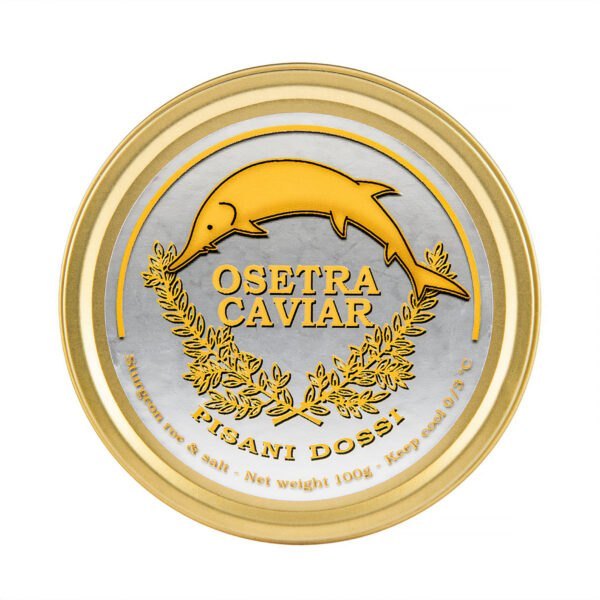
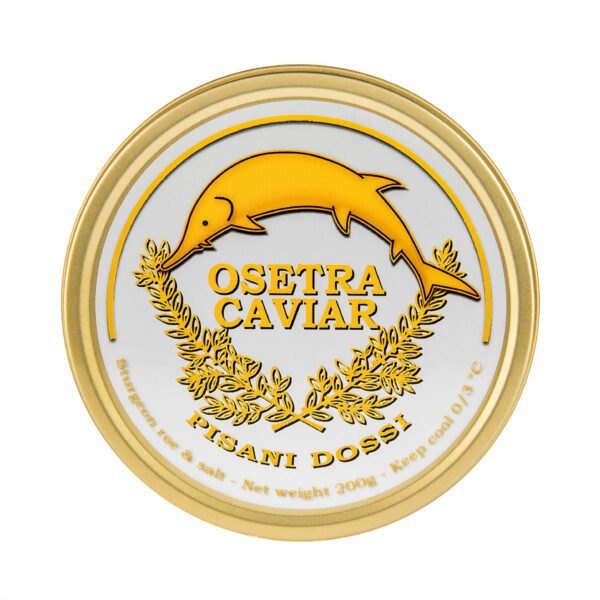
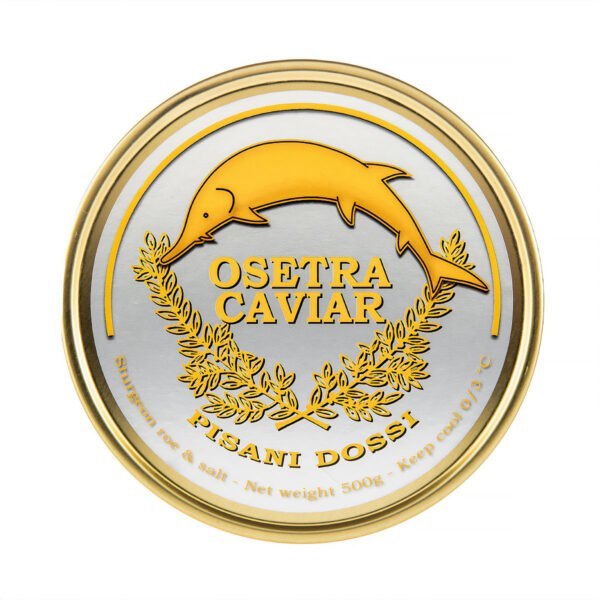
The osetra black caviar collection showcases the variety’s signature characteristics through careful selection. Medium-sized beads deliver the firm texture and nutty profile discussed throughout professional circles. Color ranges span golden amber to deep brown, depending on sturgeon maturity. Each batch undergoes traditional processing that maintains the natural flavor complexity chefs require for sophisticated presentations.
The eggs measure between appropriate sizes for plating versatility. Texture remains consistent across batches due to controlled farming conditions. Flavor profiles include the buttery and nutty notes that pair successfully with both classic and modern preparations.
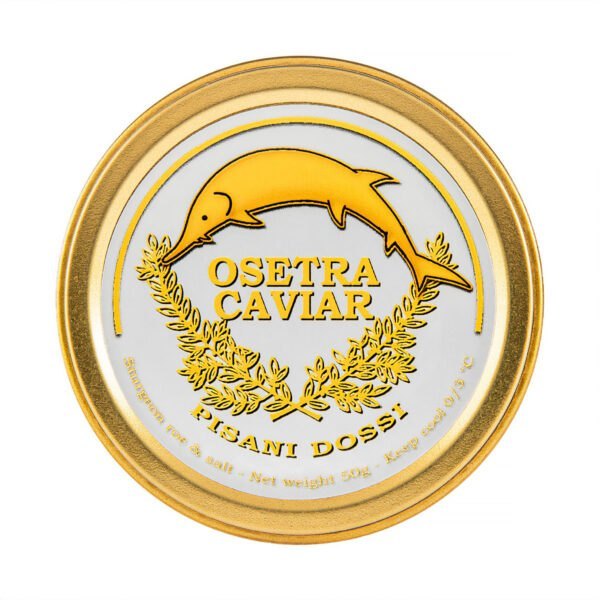

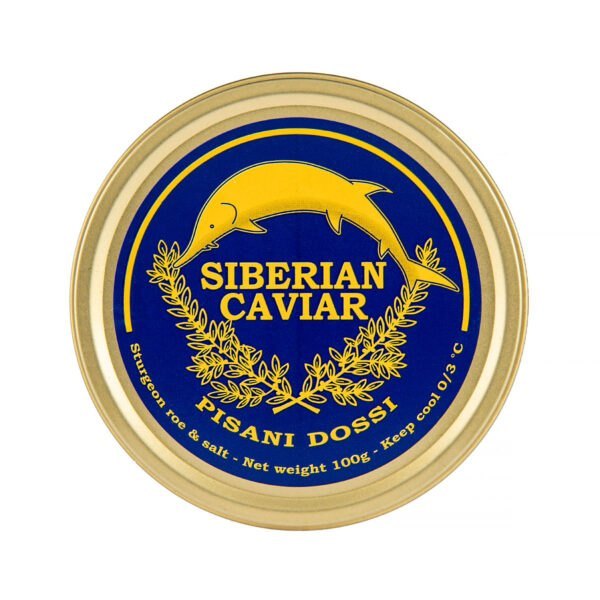
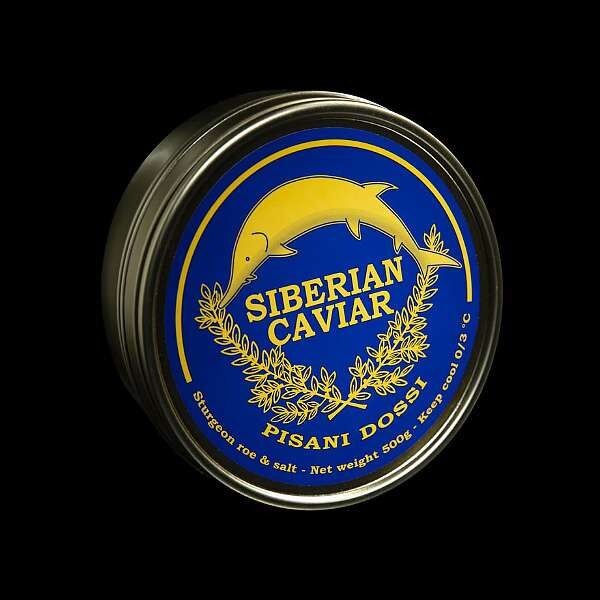
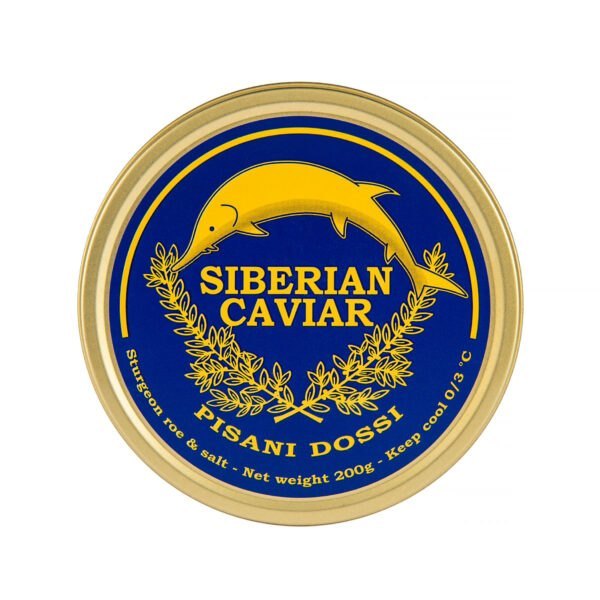
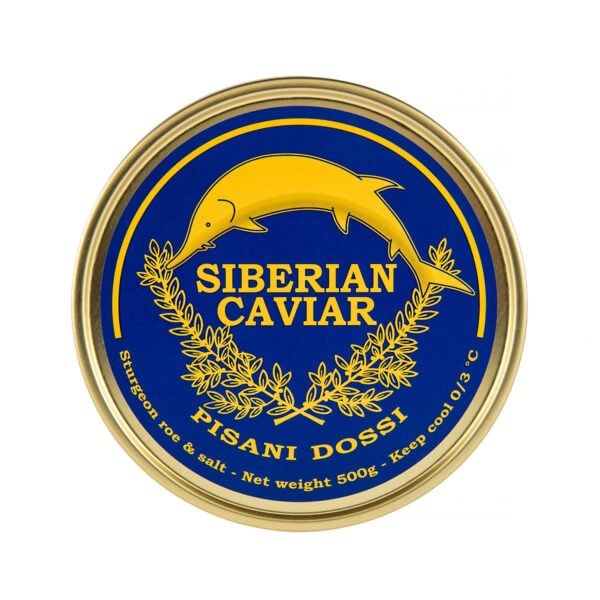
Siberian Sturgeon Caviar with Fine Grain Character
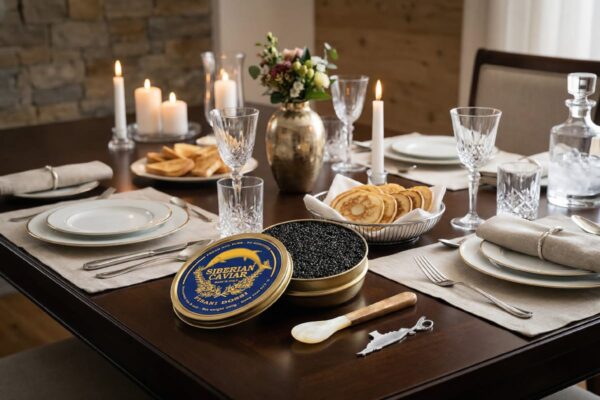
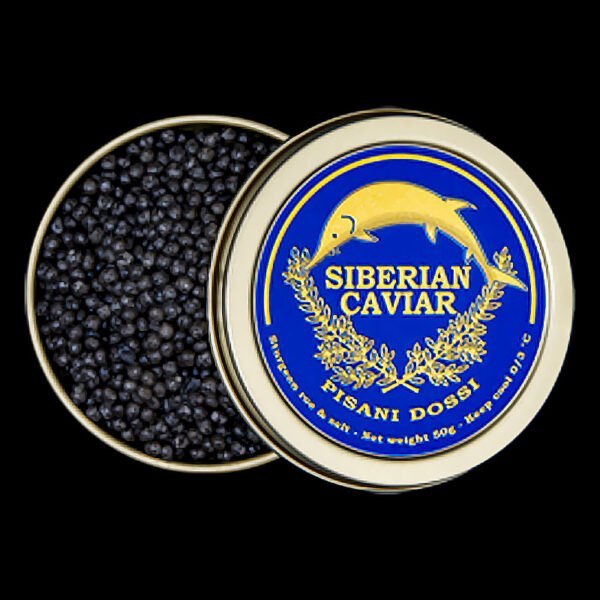
Siberian sturgeon caviar varieties provide an alternative with distinct taste and texture properties. The fine grains measure between 2.6 and 3.0 millimeters for delicate presentations. Color variations range from black grey to black brown tones. The flavor profile emphasizes pure, refined notes with extended finish that works across multiple applications.
This variety suits preparations where smaller bead size creates visual advantage. The elegant character complements seafood dishes without overwhelming delicate ingredients. Chefs appreciate the consistency maintained through sustainable farming practices.

Direct Access to Fresh Malossol Products
The shop structure supports direct ordering with delivery throughout Swiss regions. Temperature-controlled shipping maintains product integrity from facility to destination. Orders arrive ready for immediate service or proper cold storage. Professional buyers access the same quality standards as individual consumers through the platform.
Contact channels provide consultation on product selection, storage requirements, and serving recommendations. Support teams understand kitchen needs and timing considerations. Orders can be placed for immediate requirements or scheduled deliveries.
Explore the complete selection at PremiumCaviar to source fresh malossol caviar that meets professional standards. Contact the team for product guidance and delivery arrangements tailored to specific needs.
Evaluating cost effectiveness and perceived value in professional kitchens
Osetra caviar occupies a strategic position in the luxury ingredient market between accessible and elite. The balance between quality and practical considerations makes it workable for upscale establishments without extreme financial strain. Restaurants can feature the product regularly without the prohibitive investment required for beluga varieties that command significantly higher costs.
Menu pricing must reflect both ingredient cost and guest expectations for premium experiences. Diners ordering caviar understand they will pay substantial amounts above standard menu items. The presentation and service approach should match this premium positioning throughout the experience. Small portions become acceptable when properly framed and supported with complementary elements.
Kitchen teams can implement portion control strategies that protect profitability while delivering satisfying experiences. Standardized measurements ensure consistency across services and prevent costly over-portioning. Each plate receives the planned amount rather than varying by individual cook judgment or generosity. This discipline maintains profit margins on expensive ingredients.
Price comparison between malossol osetra and other premium caviars
Beluga caviar commands the highest market rates due to extreme rarity and historical prestige. The species takes longest to mature and produces less roe per harvest compared to other sturgeons. This scarcity drives costs substantially higher than other varieties. Many restaurants find beluga financially impractical for regular menu offerings except special events.
Sevruga costs less than osetra but lacks the same perceived luxury and prestige. Guests familiar with caviar varieties recognize sevruga as the more accessible option in the hierarchy. This affects how they value dishes featuring it on menus. The lower prestige limits pricing potential and guest willingness to pay premium amounts.
Osetra provides the optimal balance between these extremes in multiple dimensions. The variety carries sufficient prestige to justify premium menu pricing to knowledgeable guests. Kitchen costs remain manageable enough to maintain healthy profit margins on caviar courses. This sweet spot explains why so many top restaurants choose osetra as their standard offering for regular service.
Customer expectations and the dining experience premium
Guests ordering caviar seek more than just food on their plates. The complete experience includes presentation, service knowledge, and proper accompaniments working together. Staff must understand the product’s origin, processing methods, and flavor characteristics to explain effectively. Informed descriptions add significant value to the transaction and justify pricing premiums.
Table presentation should emphasize luxury without becoming theatrical or overdone. Mother-of-pearl spoons, chilled serving vessels, and quality garnishes signal attention to detail. These elements cost relatively little but significantly impact guest perception of value. The investment in proper service tools pays dividends through enhanced satisfaction and repeat business.
The restaurant environment also influences value assessment in guest decision making. Caviar served in elegant surroundings with professional service justifies higher pricing structures. The same product in casual settings faces guest resistance to premium charges that seem disconnected from the atmosphere. Context shapes how diners evaluate the overall investment and perceived fairness.
Building restaurant reputation through ingredient selection
High-quality malossol osetra serves as a reputation builder beyond immediate sales. Guests notice when establishments source from respected suppliers with proven track records. Positive experiences lead to recommendations and return visits from satisfied customers. Word-of-mouth marketing from impressed caviar consumers carries substantial weight in luxury dining markets.
Food media and critics pay close attention to luxury ingredient handling and presentation. Proper sourcing, storage, and service demonstrate culinary sophistication to reviewers. Positive reviews that mention excellent caviar service boost the restaurant’s standing among discerning diners. This earned media proves more valuable than paid advertising for reputation building.
Social media amplifies this effect through food photography that reaches wide audiences. Caviar dishes photograph beautifully and generate engagement across platforms. Guests who post pictures provide free marketing while reinforcing the restaurant’s luxury positioning. The visual appeal creates desire among viewers who may become future customers.
Portion control strategies for maximizing profitability
Standardized measurements protect margins on expensive ingredients throughout service periods. Chefs calculate exact amounts needed per serving and train kitchen staff accordingly on procedures. Pre-portioned containers or calibrated spoons ensure consistency across different cooks and shifts. This eliminates over-serving that erodes profits without guest benefit.
Implementation methods maintain portion accuracy:
- Recipe standardization documents exact caviar amounts for each menu item
- Measuring tools provide calibrated spoons or digital scales for accuracy
- Staff training teaches proper portioning techniques and explains financial impact
- Visual guides create plated examples showing correct presentations for reference
- Regular audits monitor actual usage against theoretical calculations to identify issues
The high cost of caviar means small measurement variations add up quickly over time. An extra quarter ounce per serving might seem insignificant on individual plates. Multiply that across hundreds of services monthly and the lost profit becomes substantial. Consistent portioning protects margins while maintaining quality standards.
Menu engineering also affects overall profitability of caviar programs. Offering multiple applications at different portion sizes gives guests choices while managing kitchen costs. Small amuse-bouche portions introduce the ingredient affordably to hesitant diners. Full caviar courses command premium pricing with larger amounts for committed enthusiasts.
Pro tip: Calculate cost per gram and track usage weekly to identify trends or discrepancies early. This data reveals training needs or procedural issues before they significantly impact margins and profits. Regular monitoring keeps the entire team accountable and conscious of ingredient value throughout service.
Conclusion
Malossol osetra caviar earns chef preference through a combination of quality factors that align perfectly with professional kitchen needs. The minimal salt processing preserves natural flavors while maintaining necessary freshness over practical service windows. This delicate approach allows the roe’s characteristic nutty and buttery notes to remain prominent throughout the tasting experience. The firm bead structure provides plating versatility and delivers the satisfying pop that signals quality to knowledgeable diners who appreciate fine ingredients.
Sustainability considerations have become inseparable from luxury ingredient selection in modern culinary culture. Contemporary aquaculture techniques produce high-grade caviar while protecting endangered wild sturgeon populations from further decline. Recirculating systems demonstrate environmental responsibility without compromising product excellence or quality standards. Chefs who choose certified sources position their establishments as both sophisticated and ethically conscious in ways that resonate with modern diners.
The practical aspects of cost management and guest expectations complete the picture of why this variety dominates professional kitchens. Osetra caviar occupies the strategic middle ground between accessible and elite varieties in the market hierarchy. Proper portion control and menu engineering make the ingredient financially viable for upscale restaurants beyond special occasions. When presented with knowledge and care, it builds reputation and creates memorable dining experiences that justify premium pricing structures. Professional kitchens recognize these combined advantages make malossol osetra the practical choice for sustained luxury service that meets both culinary and business objectives successfully.