
Easter dinner has long been a time for family, rich food, and a sense of occasion. Yet in recent years, one ingredient has been making a quiet but steady appearance at festive tables across Europe and beyond: black caviar. What was once reserved for royal courts and five-star restaurants is now finding a natural place alongside roasted lamb, blinis, and spring salads at Easter gatherings.
The timing makes perfect sense. Easter marks a break from Lenten restraint, and hosts look for ways to mark the occasion with something memorable. Premium black caviar brings that sense of arrival to the table. A small tin, served cold and simply, signals that a meal is something worth celebrating.
The trend is not just about indulgence. Guests today are more food-curious than ever before. They want to know where their food comes from, how it was made, and whether the quality justifies the ritual. Quality black caviar fits that mindset well. It has a story, a craft, and a taste profile that rewards attention.
The rich history of black caviar at celebration tables
Black caviar has been tied to feasting and ceremony for many centuries. Long before it appeared on restaurant menus, it sat at the center of royal banquets, religious gatherings, and seasonal rituals. That history gives sturgeon black caviar a cultural weight that few other foods can match.
How black caviar moved from royal feasts to festive traditions
The story of black caviar begins in ancient Persia, where salted sturgeon roe was seen as a source of strength and vitality. Persian rulers and warriors consumed it before major events, treating it as something close to a sacred food.
Russia gave caviar its later reputation. From the 16th century onward, sturgeon were pulled from the Volga River and the Caspian Sea in vast numbers. At the court of Tsar Alexei Mikhailovich and later Peter the Great, caviar became a fixture at every major feast. What had begun as a practical food for monks and fishermen was transformed into a marker of status and celebration.
By the 19th century, the tradition of serving caviar at key celebrations had spread across European aristocracy. Easter, as the most important feast in the Orthodox Christian calendar, became one of its most natural homes. After weeks of Lenten fasting, a table loaded with rich, preserved, and salted foods carried deep symbolic meaning. Caviar sat perfectly within that tradition.
The Easter connection in Russian and Eastern European food culture
In Russian and Eastern Orthodox tradition, Easter Sunday is the most significant meal of the year. The fast breaks with a spread of symbolic foods, eggs, rich cakes, smoked fish, and cured delicacies. Black caviar fits this context directly, as a preserved, protein-rich food that marks the end of restriction.
The connection between caviar and Easter in these cultures is well-documented. Historical records from early 17th-century monasteries show that tens of thousands of sturgeon were brought in each year to supply both Lenten fasting tables and Easter feasts. That scale speaks to how central fish and its byproducts were to the seasonal rhythm of eating.
This tradition carried over into diaspora communities across Central and Western Europe. As Eastern European food culture spread, the habit of placing caviar at Easter tables traveled with it. Today, that influence has reached mainstream European and North American dining, where the Easter feast is being reframed as a moment for elevated, intentional food choices.
Why sturgeon black caviar became a symbol of celebration
The symbolic power of sturgeon black caviar comes partly from scarcity. Sturgeon are among the oldest fish on earth, with some species taking a decade or more to mature before producing roe. That long wait gives caviar an inherent sense of value, something earned rather than instant.
The taste itself reinforces the association with celebration. A well-made caviar has a clean, briny depth with a finish that lingers. It demands full attention, making it unsuitable for rushed, everyday eating. That quality makes it a natural fit for meals where slowness and presence are part of the point, which is exactly what Easter dinner represents for many families.
What makes black caviar a perfect Easter centerpiece
The growing presence of black caviar at Easter tables is not simply a revival of old habits. It reflects broader changes in how people celebrate and what they expect from a special meal. The Easter table is being rethought, and caviar fits several of the new expectations at once.
The rise of luxury small plates as celebratory Easter rituals
One of the clearest food shifts of the past few years is the move away from a single large roast toward a table of smaller, more interesting dishes. Hosts are building Easter spreads that invite guests to graze, taste, and explore, rather than carving from a single centerpiece. Black caviar slots into this format with ease.
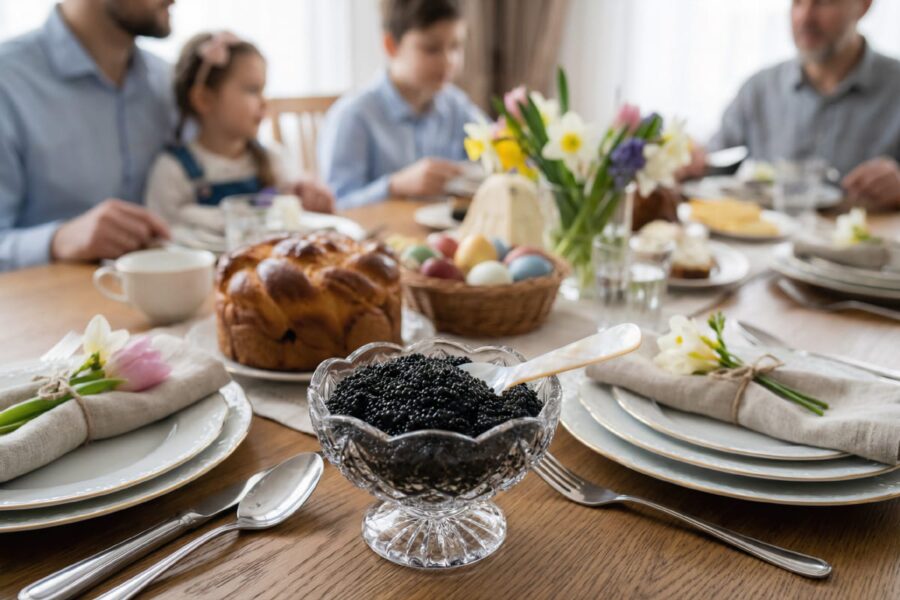
Easter caviar small plates work well as a dedicated course or as part of an opening spread. A chilled tin served with blinis, crème fraîche, and simple garnishes takes very little preparation but creates a distinct moment at the table. That contrast between minimal effort and strong impression is exactly what modern hosts are looking for.
The ritualistic aspect matters too. Opening a tin of caviar at the table, passing it around, waiting for everyone to serve themselves, these small gestures slow a meal down in a way that guests remember. Food experiences tied to a specific ritual tend to be recalled more vividly than those tied only to flavor.
How fresh caviar fits the spirit of springtime indulgence
Spring eating has its own character. After months of heavier, warming food, the table shifts toward brightness and freshness. Fresh caviar fits that seasonal mood well. Its clean, oceanic taste contrasts with the richness of Easter classics like buttered brioche, eggs, and cream-based sauces.
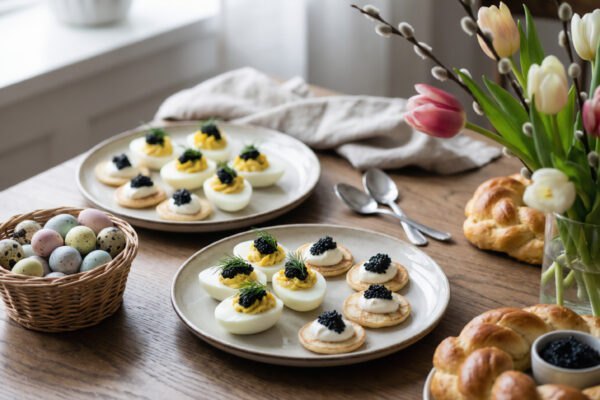
The pairing logic is practical. A small amount of caviar alongside a deviled egg or a thin crêpe brings balance to a rich plate. The salt cuts through fat, and the texture of the roe adds contrast to soft, creamy accompaniments. That dynamic is one reason why caviar has reappeared as a natural partner to spring-specific foods in catering and home cooking alike.
Growing consumer interest in premium black caviar for special occasions
Demand for premium black caviar at key occasions has grown steadily across European markets. Food lovers are increasingly moving away from low-quality imports and toward traceable, farmed caviar from known sources. The emphasis on knowing what is in the food, how the fish were raised, and whether preservatives were used has shifted buying habits.
Special occasions are the main driver of this shift. Consumers who might not buy caviar regularly are now treating Easter, along with Christmas and New Year’s, as the right moment to try or invest in a quality product. That occasion-based buying behavior is shaping how producers and retailers position their ranges.
PremiumCaviar from Switzerland offers a range of black caviar products made without artificial preservatives. The collection includes Siberian sturgeon and osetra varieties, sourced from controlled aquaculture and processed with minimal salt. That positioning speaks directly to the Easter-occasion buyer who wants both quality and transparency.
Malossol black caviar and its appeal for quality-conscious hosts
The word “malossol” comes from Russian and means “lightly salted.” Malossol black caviar is processed with under five percent salt by weight, with no heat treatment applied. That method preserves the natural structure of each egg and keeps the aromatic qualities of the roe intact.
For Easter hosts who care about food quality, malossol is the relevant standard. Salt-heavy or pasteurized products change the taste profile in ways that flatten the caviar’s natural character. Malossol products stay closer to the original flavor, which is what makes them worth serving at a table where the ingredient is meant to be noticed.
The shelf life of malossol caviar is shorter than that of pasteurized versions, typically four to eight weeks under proper cold storage. That brief window reinforces the sense that the product is fresh, seasonal, and tied to a specific moment, which suits the Easter occasion particularly well.
Choosing quality black caviar for an Easter dinner table
The caviar market has grown more varied over the past decade. Farmed production has made black caviar more widely available, but not all products are made to the same standard. Knowing what to look for helps avoid disappointment, especially when buying for a meaningful meal.
Understanding the difference between osetra black caviar and other varieties
The two most common farmed varieties found at European tables are Siberian sturgeon caviar and osetra black caviar. Each comes from a different sturgeon species and produces roe with a distinct character.
| Feature | Osetra Black Caviar | Siberian Sturgeon Caviar |
|---|---|---|
| Sturgeon species | Acipenser gueldenstaedtii | Acipenser baerii |
| Flavor profile | Nutty, buttery, complex | Earthy, briny, slightly nutty |
| Egg size | Medium to large | Small to medium |
| Egg color | Dark amber to golden brown | Charcoal gray to deep brown |
| Texture | Firm, smooth, silky | Delicate, slightly softer |
Osetra black caviar takes longer to mature than Siberian sturgeon caviar, which contributes to its richer, more layered taste. The larger egg size also gives it a stronger visual presence on the plate, which matters when serving at a table where the food is also meant to look the part.
Siberian sturgeon caviar is a well-regarded choice that carries its own culinary value. Its brine-forward taste pairs well with richer accompaniments, and its slightly softer texture makes it accessible for guests who are new to caviar. Both varieties are strong Easter table choices when sourced from a reputable producer.
PremiumCaviar carries both Siberian sturgeon and osetra black caviar in its range. The products come from aquaculture operations focused on controlled conditions and natural feeding, which affects the final taste of the roe.
Why black caviar without preservatives matters for taste and freshness
Preservatives in caviar, particularly borax-based compounds that were common in older commercial products, change the texture and mask natural flavor. Black caviar without preservatives relies entirely on salt and cold storage to stay fresh, which means nothing interferes with what the sturgeon roe actually tastes like.
Key reasons to choose preservative-free caviar:
- Egg membranes stay intact, giving a clean pop on the palate
- Natural oils and aromatic compounds are not broken down by chemical agents
- The briny, oceanic flavor profile stays true to the species and its source water
- Cold-chain integrity becomes the main quality indicator, which is easier to verify
The trade-off is that preservative-free caviar demands proper handling. It must stay refrigerated between 0°C and 4°C at all times. Once opened, the product should be consumed within 24 to 48 hours for the best experience. For Easter, where the tin is likely to be finished at a single sitting, that short window is rarely a problem.
Key signs of quality black caviar when buying for a celebration
Not all caviar labeled as premium meets the same standard. Several clear markers help identify a well-made product before tasting begins.
Quality indicators to check:
- The label states “malossol” or specifies salt content below five percent
- The product has a clear cold-chain requirement and a short shelf life
- The sturgeon species is named, not listed generically as “sturgeon roe”
- No artificial preservatives appear in the ingredients
- The producer is traceable, with information about farming practices available
Once opened, quality black caviar should have a clean, sea-fresh scent with no ammonia or fermented notes. The eggs should be firm and separate easily, with a consistent color across the tin. Any mushiness or off-smell signals that the cold chain was broken at some point during transit.
Pro tip: Store caviar tins on a bed of ice in the refrigerator, not directly against a metal shelf. Direct contact with cold metal can cause uneven chilling. A small bowl of crushed ice under the tin keeps the temperature stable right up to serving.
Where to buy fresh black caviar for Easter dinner
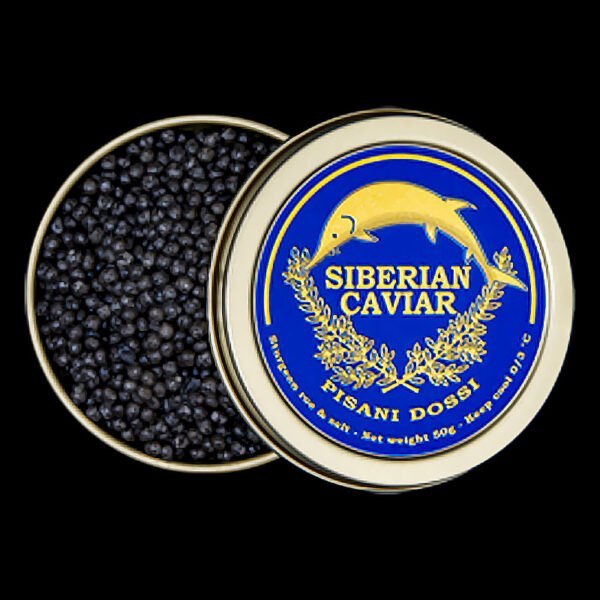
Easter calls for ingredients that match the occasion. PremiumCaviar is a Swiss caviar boutique carrying a carefully selected range of fresh sturgeon caviar sourced from a certified organic farm in northern Italy. All products follow traditional malossol preparation and contain no artificial preservatives, making the range well-suited for hosts who want genuine quality at the Easter table.
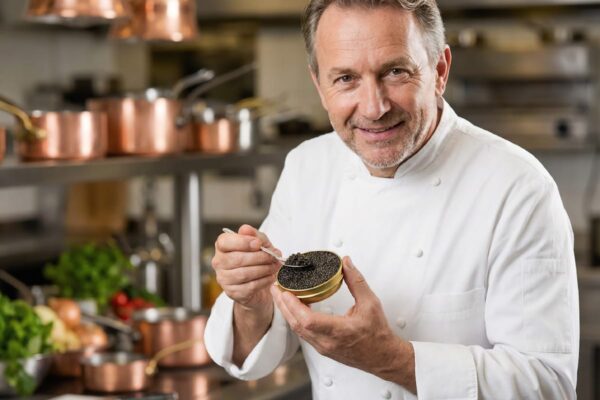
The farm behind the collection, Pisani Dossi, holds official certification for sturgeon egg production and has been raising sturgeon for over two decades. Each tin is hand-processed from start to finish, with eggs sorted by size, color, and firmness before minimal salt is applied. That level of care shows clearly in the final product.
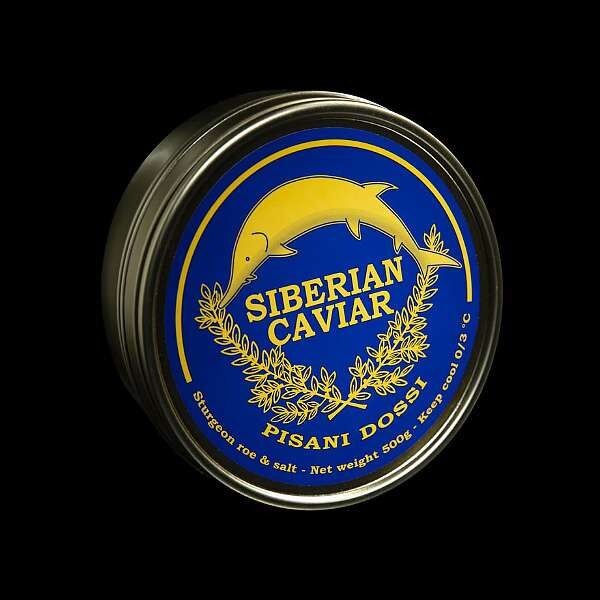
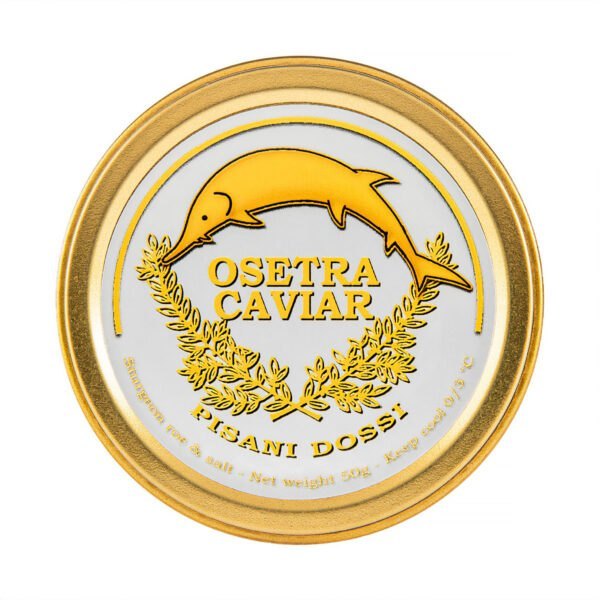
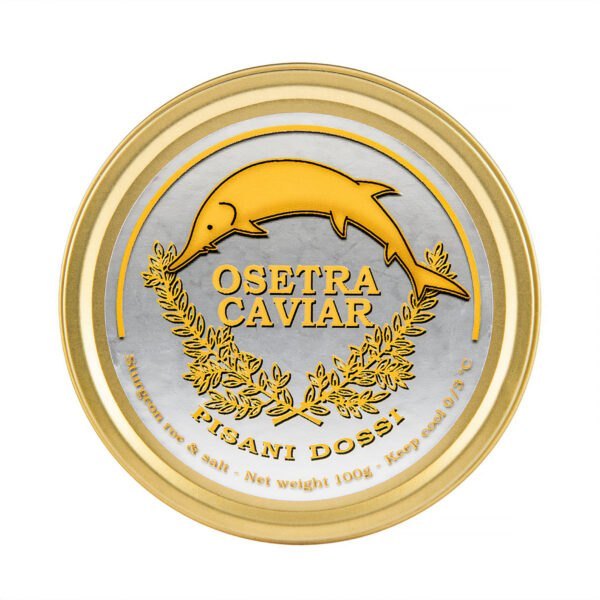
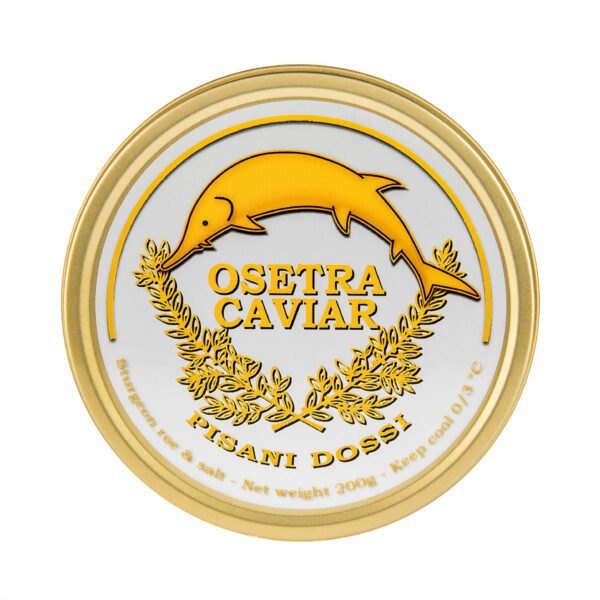
Siberian sturgeon and osetra black caviar range
PremiumCaviar carries two distinct varieties, each with its own character for Easter serving.
Available caviar varieties:
- Premium Siberian Sturgeon Black Caviar — fine grains of 2.6 to 3.0 mm, with a clean, elegant flavor and subtle hazelnut and wild berry notes
- Premium Osetra Black Caviar — larger grains of 2.9 to 3.2 mm from hybrid sturgeon, with a mild taste and a distinct walnut finish; color ranges from pearl grey to bronze and amber
Both varieties use a salt content of 3.5 to 4 percent, well within the malossol standard. Vacuum-sealed packaging protects each tin during transit and keeps the eggs intact until the moment of opening. Products are available in multiple tin sizes, from single tastings to larger servings for a full Easter table.






Delivery, client reviews and support
Clients consistently highlight the freshness of the products, attentive support, and fast order fulfillment. Reviews mention deep product knowledge from the team and a smooth buying experience from selection through to delivery.
Fast delivery within Switzerland and the European Union means fresh caviar arrives in time for Easter dinner without compromising the cold chain. The team is available for consultation on variety selection, serving sizes, and pairing ideas.
Contact PremiumCaviar directly to place an order or ask about the right caviar for an Easter dinner table. The full range of fresh Siberian sturgeon and osetra black caviar is available through the online shop.
Serving black caviar at Easter dinner the right way
Getting the service right matters as much as choosing the right product. Caviar is a simple ingredient, but a few key decisions around temperature, tools, and accompaniments will shape how guests experience it.
Classic accompaniments that highlight the flavor of fresh caviar
Fresh caviar has a natural salinity that pairs best with neutral, soft, or lightly tangy accompaniments. Strong flavors compete with the roe and mask what makes it worth eating in the first place.
Traditional Easter caviar pairings:
- Blinis (small buckwheat pancakes) for a warm, slightly earthy base
- Unsalted butter on thin toast points, to let the caviar’s salt do the work
- Crème fraîche or lightly whipped sour cream for a cool, tangy contrast
- Hard-boiled egg white halves, which echo Easter’s egg tradition naturally
- Chilled sparkling wine or a clean, dry white wine to cleanse the palate between bites
Each of these pairings works because it stays out of the way. The goal is a base that carries the caviar to the palate without adding its own assertive taste. Bread, egg white, and cream all do that job well.
Lemon is divisive. A tiny squeeze can sharpen the brine, but too much acid changes the flavor completely. Onion and capers, common in smoked salmon service, are best kept off a caviar plate. Their sharpness overpowers the more delicate qualities of the roe.
Practical serving tips to preserve the quality of premium black caviar
Premium black caviar should never be served with metal spoons. Metal reacts with the oils in the roe and adds a faint metallic note that alters the taste. Mother-of-pearl spoons are the traditional choice, and bone or horn alternatives work equally well. Small ceramic spoons are a practical and widely available option.
Temperature at serving is equally important. The tin should come straight from refrigeration and be served within a few minutes. Placing the tin on a bed of crushed ice during service keeps the eggs at the right temperature throughout the meal, especially during longer Easter dinners where the table stays set for an extended period.
Serving steps for Easter dinner:
- Remove the tin from the refrigerator no more than five minutes before service
- Set the tin on a small plate of crushed ice to maintain cold temperature
- Open the tin at the table to preserve the experience for guests
- Serve with a non-metal spoon and pass accompaniments separately
- Consume the full tin within the sitting for the best taste and food safety
A small tin goes further than expected when served as a starter or as part of a spread. Portioning at around 30 grams per person makes the ingredient feel generous without excess. That modest amount per guest also makes it easier to plan when buying for a larger Easter table.
Pro tip: Take the caviar tin out of the refrigerator and place it on ice five minutes before opening. That brief rest at a slightly less extreme cold brings out the aroma and flavor more clearly than serving directly from a very cold fridge.
FAQ: Frequently Asked Questions
Why is black caviar traditionally served at Easter dinner?
Black caviar has deep roots in Eastern Orthodox and Russian Easter customs. After weeks of Lenten fasting, the Easter table was deliberately filled with rich, preserved, and festive foods, and salted sturgeon roe held a prominent place among them. Historical monastery records from early 17th-century Russia confirm that large quantities of sturgeon were brought in each year to supply both Lenten and Easter feasts.
The practice spread across Eastern European communities over centuries and eventually reached broader European dining culture. Today, serving black caviar at Easter carries both cultural weight and a sense of seasonal occasion, marking the meal as something worth celebrating.
What is the right amount of black caviar to serve per person at Easter dinner?
A serving of around 30 grams per person works well for an Easter table where caviar is part of a wider spread. For a caviar-focused starter or when serving it as the main appetizer, portions between 20 and 30 grams per guest keep the experience generous without waste.
Caviar is best consumed at a single sitting once opened. Planning servings in advance prevents leftovers and keeps the quality at its best throughout the meal.
What spoon should be used to serve black caviar?
Metal spoons should never be used with black caviar. Metal reacts with the natural oils in the roe and adds an unwanted metallic note that changes the taste. Mother-of-pearl spoons are the traditional choice, and bone, horn, or ceramic alternatives work equally well.
This detail matters more than many hosts expect. The right spoon keeps the flavor clean and ensures guests experience the roe exactly as it was intended.
What foods pair best with black caviar at an Easter table?
The best accompaniments are neutral and soft, allowing the caviar’s natural saltiness to stand out.
Classic pairings include:
- Blinis, small buckwheat pancakes
- Unsalted butter on thin toast points
- Crème fraîche or lightly whipped sour cream
- Hard-boiled egg white halves
- Chilled sparkling wine or dry white wine
Strong flavors such as sharp onion, heavy spice, or acidic capers compete with the roe and mask what makes it worth tasting. The goal of every accompaniment is to carry the caviar to the palate without overpowering it.
Lemon can work in very small amounts to sharpen the brine, but too much acid flattens the natural flavor profile of the roe. Keeping accompaniments simple and restrained gives black caviar the space to be the clear focus of the course.
What is malossol black caviar and why does it matter for Easter serving?
Malossol is a Russian term meaning “lightly salted.” Malossol black caviar is processed with under five percent salt by weight and no heat treatment. That method keeps the structure of each egg intact and preserves the natural aromatic qualities of the roe.
Heavily salted or pasteurized caviar products change the texture and flatten the flavor, which removes much of what makes the ingredient worth serving at a special meal. For Easter hosting, choosing a malossol product means the caviar stays true to its natural character, which guests can actually taste and appreciate.
How should black caviar be stored before Easter dinner service?
Black caviar should be kept refrigerated at a temperature between 0°C and 4°C at all times. The tin should remain sealed until the moment of serving. Placing the closed tin on a small bed of crushed ice inside the refrigerator helps maintain a stable, consistent cold temperature.
Once opened, the product should be consumed within 24 to 48 hours for the best taste and food safety. At the table, setting the open tin on crushed ice keeps the eggs at the right serving temperature throughout a longer Easter dinner. Direct contact with a metal shelf or extreme cold can cause uneven chilling, so a small plate or bowl of ice under the tin works better than refrigerator shelving alone.
Conclusion
Black caviar has earned its place at the Easter table through centuries of festive tradition, a taste profile that suits the season, and a renewed focus on food quality that now shapes how many hosts plan their celebrations. The shift toward occasion-based buying, smaller artisan servings, and transparency in production has brought quality black caviar into closer reach for a wider group of food-conscious families.
Choosing the right variety, whether osetra black caviar for its depth and presentation or Siberian sturgeon for its accessible brine and texture, and pairing it with the right accompaniments, turns a tin of caviar into a table moment worth remembering. The details of service, temperature, tools, and timing, are what separate a good caviar experience from a great one.
Malossol black caviar and black caviar without preservatives represent the clearest expression of what the ingredient can be. Minimal processing, proper cold storage, and the right pairing are all that stand between a simple tin and one of the most memorable dishes on an Easter dinner table.
Sources:
- https://en.wikipedia.org/wiki/Caviar
- https://en.wikipedia.org/wiki/Easter
- https://en.wikipedia.org/wiki/Beluga_caviar
- https://en.wikipedia.org/wiki/Beluga_(sturgeon)
- https://pubmed.ncbi.nlm.nih.gov/20492148/
- https://pmc.ncbi.nlm.nih.gov/articles/PMC8070692/
- https://www.themoscowtimes.com/2014/09/22/once-a-peasant-food-caviar-now-luxury-treat-a39642
- https://folklife.si.edu/magazine/foodways-holidays-caviar-escargots