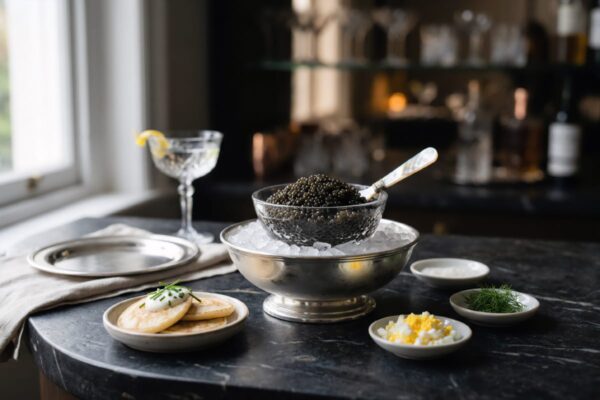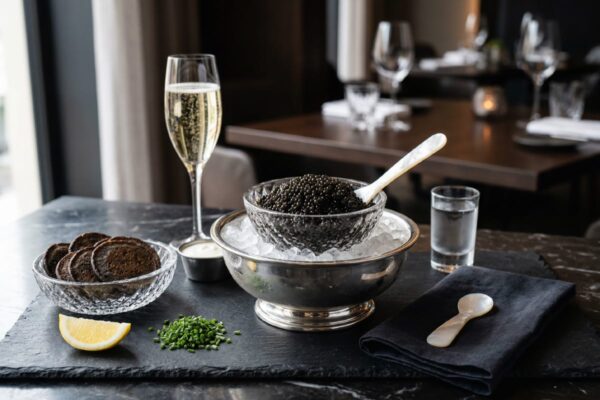

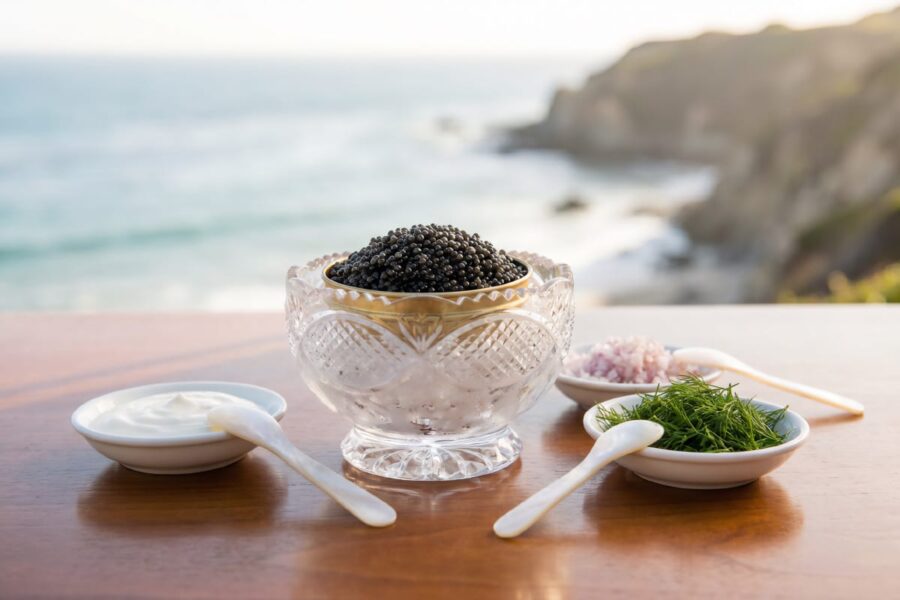
Few food preservation methods are as precise as malossol curing. The word “malossol” comes from Russian and literally means “little salt,” and that small detail changes everything about how fresh black caviar tastes. At just 3–5% salt by weight, this ancient technique holds the line between spoilage and freshness while keeping every subtle nuance of the roe intact.
The reason malossol curing works so well comes down to science. Salt at this low concentration triggers a controlled osmotic reaction inside each sturgeon egg. Excess moisture leaves the cell, harmful bacteria lose the environment they need to grow, and the natural fats and amino acids that create the roe’s signature buttery and oceanic flavor stay firmly in place.
No other curing method achieves this balance. Heavily salted caviar loses its delicate character almost entirely. Pasteurized roe suffers damage from heat. Only malossol black caviar, processed with patience and precision, retains the clean, fresh flavor that makes sturgeon roe one of the world’s most prized foods.
How malossol’s low salt concentration locks in the natural taste of black caviar
Salt is both a preservative and a flavor tool, but the amount used determines which role it plays. With malossol caviar, the goal is to apply just enough salt to stop spoilage without smothering the roe’s natural taste profile. Getting that concentration right is the foundation of the entire method.
The balance achieved at 3–5% salt content is not accidental. It reflects generations of refinement by Russian and Iranian caviar producers who understood that the finest roe speaks for itself — and needs only a whisper of salt to be heard.
Why 3–5% salt is the exact threshold that protects roe flavor
Salt concentration in malossol sturgeon roe sits between 2.7% and 5% by weight. This range is low enough to leave the roe’s natural compounds undisturbed yet high enough to suppress microbial activity.
At this level, sodium ions bind water molecules near the surface of each egg. This lowers what food scientists call “water activity,” making the environment hostile to bacteria without altering the egg’s internal chemistry.
The result is a delicate brininess that enhances rather than dominates. True connoisseurs often favor caviar processed at 3.7% or below, where the flavor of the specific sturgeon species — whether Osetra, Beluga, or Kaluga — remains fully distinguishable.
How osmosis draws moisture out while keeping buttery and nutty notes intact
Osmosis is the invisible engine inside every malossol curing cycle. When salt contacts the outer membrane of the sturgeon egg, water moves outward across the membrane through osmotic pressure.
This outward movement of water slightly concentrates the flavor compounds already present inside the egg. Free amino acids, lipids, and volatile aromatic molecules responsible for buttery, nutty, and oceanic notes remain inside the cell. The loss is moisture, not flavor.
Research published on the role of salt mixing in caviar processing confirms that salt causes osmotic pressure to release more lipids, which increases membrane thickness and creates consistent internal pore size. This gives caviar its well-known elasticity and fullness.
What happens to flavor compounds when salt concentration exceeds 5%
Once salt content rises above 5%, the chemistry shifts. Excess sodium ions begin to penetrate more deeply into the egg cell. They interact aggressively with proteins and phospholipids in the membrane, altering their structure.
The most noticeable outcome is flavor loss. The subtle, species-specific notes that define premium sturgeon caviar are masked by an overpowering saltiness. The delicate briny quality that makes malossol desirable disappears entirely.
Heavy salting also draws out too much internal moisture, causing the pearls to shrivel. Their texture becomes rubbery rather than firm and smooth. This is why excess salt in caviar curing is seen as a marker of low quality, not merely a different approach.
How sturgeon egg cell structure responds to light salting at the molecular level
At the molecular level, light salting with the malossol method causes controlled changes to the egg cell membrane. Salt ions engage with both proteins and lipids through osmosis, and the reduction in internal water activity reshapes the membrane’s behavior without destroying it.
Studies on caviar processing found that salt mixing increases phosphatidylcholine concentration in membrane phospholipids. At the same time, hydrogen bonding networks form, causing structural changes in membrane proteins, including increases in alpha-helix and beta-sheet composition. These changes give the pearl its firm, satisfying pop.
The hydrophobic environment created by controlled salting also helps seal aromatic compounds inside the cell. This is why properly cured malossol black caviar retains such a complex, lingering finish on the palate.
What the malossol curing process actually does to fresh sturgeon roe
Understanding the steps involved in malossol curing helps explain why the results are so consistent when the process is followed correctly. From the moment the roe leaves the fish to the moment salt is applied, every decision affects the final taste and texture.
How roe is graded, rinsed, and prepared before salt is applied
After harvest, sturgeon roe goes through an immediate and careful preparation sequence. The first step is sieving, where eggs are passed through a mesh screen to separate them from the connective membrane tissue that holds them together inside the ovary. This step must be done gently to avoid breaking the delicate pearls.
The roe is then rinsed in cold, clean water. Rinsing removes blood, membrane fragments, and any surface impurities that could introduce off-flavors. Cold water is essential here — heat at any stage would begin to cook the proteins and permanently alter the texture.
Grading criteria for malossol-quality roe:
- Firmness — pearls must hold their shape under gentle pressure
- Size uniformity — consistent grain size ensures even salt distribution
- Color — deep, consistent tone signals healthy, mature roe
- Absence of broken or soft eggs — damaged pearls compromise the entire batch
Only eggs that meet all grading standards proceed to salting. The rest are redirected to pressed or semi-preserved products. This strict selection is one reason malossol caviar commands such high regard among connoisseurs and food professionals alike.
The role of curing time and temperature in setting final taste and texture
After grading and rinsing, salt is applied evenly across the roe. The salting itself takes only a few minutes, but the curing time that follows is what sets the final flavor and texture.
Temperature during curing must stay cold, typically near 0°C (32°F). A cold environment slows enzymatic activity inside the eggs, which prevents unwanted chemical reactions that degrade aroma and flavor.
The curing window is short by design. Over-curing at any salt concentration pushes too much moisture out and firms the pearl beyond the ideal texture. Skilled producers monitor both time and temperature tightly, knowing that the natural taste of fresh sturgeon roe exists within a narrow window of conditions.
Why pearl integrity and glossy appearance signal successful malossol treatment
A properly cured malossol caviar pearl has a distinctly glossy surface. This shine comes from the lipid layer that osmosis has drawn closer to the outer membrane during curing. It is a visual indicator that the process has worked correctly.
Intact pearls also signal that the salt concentration was calibrated correctly. Eggs that split or weep liquid were either over-salted, mechanically damaged, or harvested from roe that was not fresh enough for malossol treatment.
The combination of firm texture, glossy appearance, and clean aroma forms the quality triad that professional tasters and graders look for in premium black caviar. These traits confirm that the curing process has preserved the roe’s natural integrity from cell to surface.
How malossol curing compares to pressed and semi-preserved caviar methods
Malossol curing sits at the top of a three-tier system of caviar preservation. Each method exists for a reason, and each produces a distinctly different product. Knowing the differences helps clarify exactly why malossol is valued so highly for fresh caviar flavor preservation.
The other two main methods, pressed and pasteurized caviar, both involve either significantly more salt or the application of heat. Both changes alter the flavor profile in ways that are hard to reverse. Understanding those differences puts the malossol advantage in sharp focus.
Salt content levels and flavor outcomes across the three main curing methods
The table below shows how salt levels and processing conditions differ across the three main caviar curing methods, and what each produces in terms of flavor outcome.
| Curing Method | Salt Content | Processing Condition | Flavor Outcome |
|---|---|---|---|
| Malossol | 2.7–5% | Cold, unheated | Delicate, fresh, species-specific |
| Semi-preserved (salted) | 6–10% | Cold, unheated | Noticeably briny, less nuance |
| Pressed (payusnaya) | 10%+ with heat | Heated and pressed | Bold, concentrated, paste-like |
Each method serves a different purpose. Malossol is suited to roe of the highest quality, where preserving the natural taste of sturgeon roe is the priority. Pressed caviar, by contrast, uses roe that does not meet the visual or textural standards for malossol.
How heavy salting masks the delicate briny notes that malossol retains
When salt content rises to 6% or above, it no longer just preserves — it begins to dominate. The sodium overwhelms the subtle amino acid-based flavors that give each sturgeon species its distinct character.
The delicate oceanic and buttery flavor notes that malossol protects are particularly vulnerable. They are carried by volatile compounds and sensitive lipid structures that degrade or get masked quickly under heavy salt exposure.
Flavor characteristics lost in heavy salting:
- Subtle nuttiness from free fatty acids
- Clean oceanic freshness from volatile aroma compounds
- Species-specific mineral finish from amino acid profiles
- Smooth, buttery aftertaste from preserved phospholipids
Heavy salting also dehydrates the pearls more aggressively, compressing the internal structure and producing a tougher bite. The textural pleasure of malossol black caviar — that gentle, satisfying pop — simply does not survive high salt concentrations.
Pro tip: When buying caviar and no salt percentage is listed on the tin, ask the supplier directly. Any reputable source of premium malossol caviar will confirm a salt content at or below 5%.
Malossol-cured fresh black caviar at PremiumCaviar Shop
For those who want malossol-cured black caviar in its most authentic form, sourcing matters as much as the curing method itself. PremiumCaviar is a specialist caviar shop that sources its roe exclusively from a sustainable sturgeon farm in northern Italy. The farm follows an organic approach to production, which means no artificial additives and no preservatives at any stage. That clean-production philosophy aligns directly with what malossol curing demands: fresh, high-quality roe treated with nothing more than a precise, low concentration of salt.
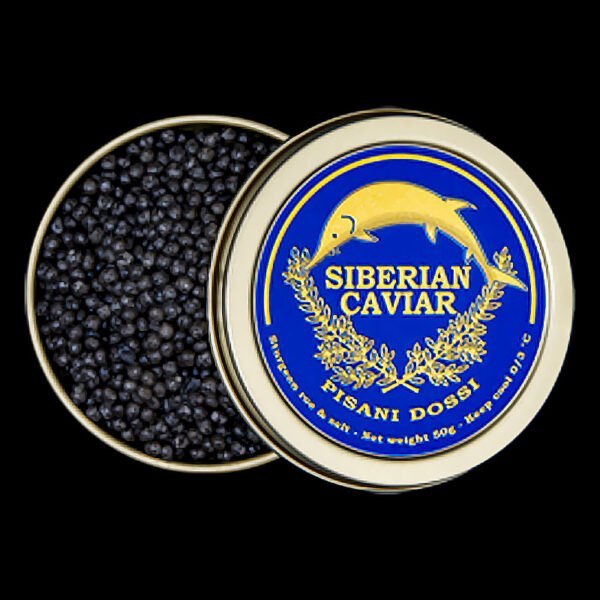
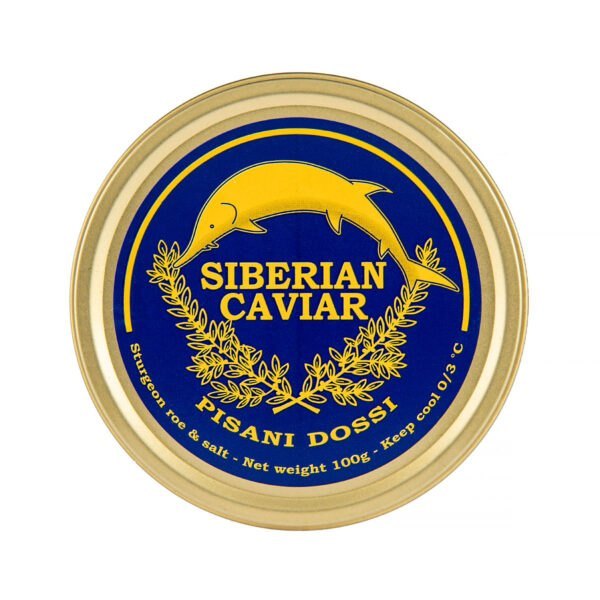
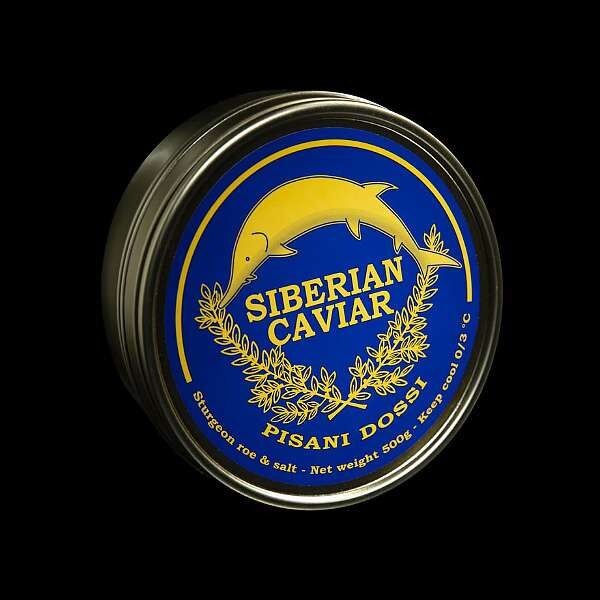
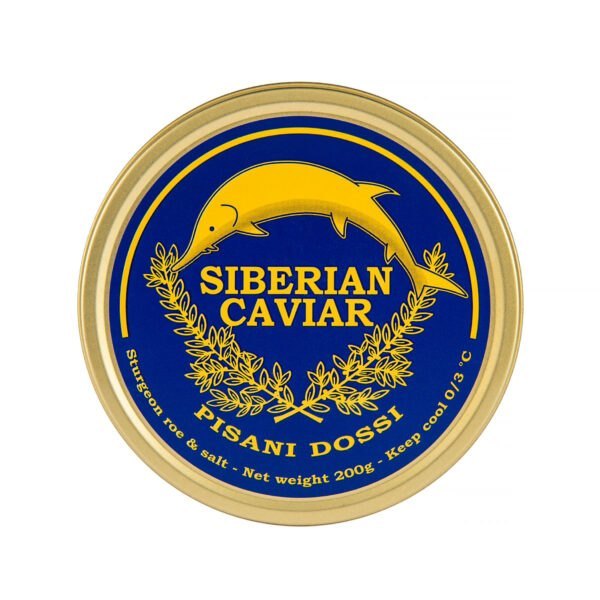
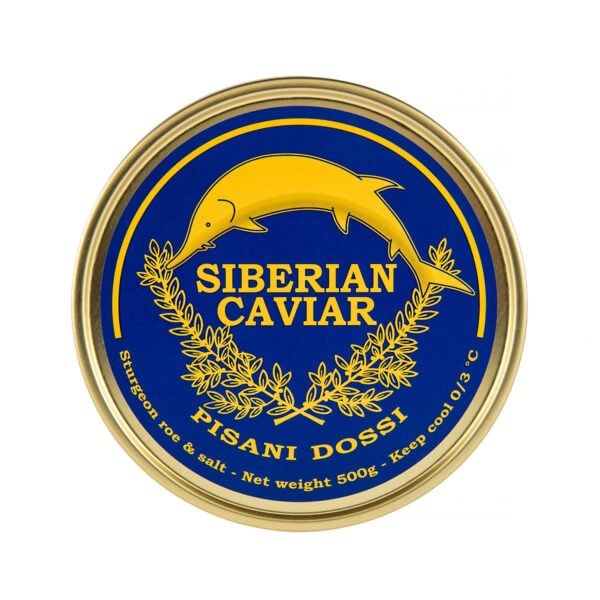
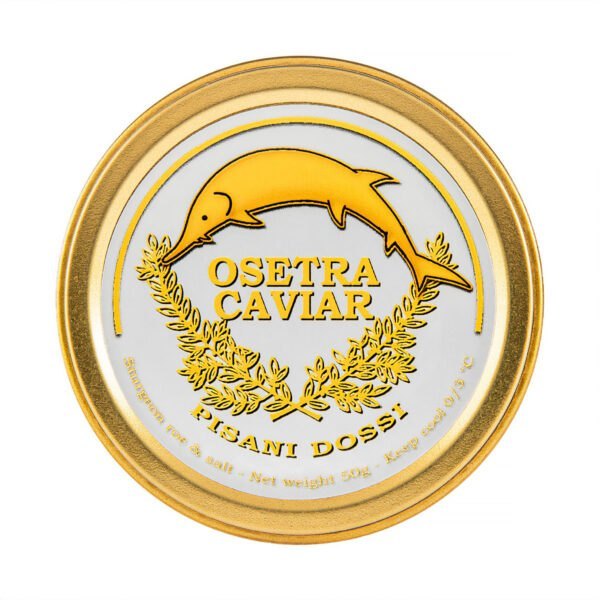
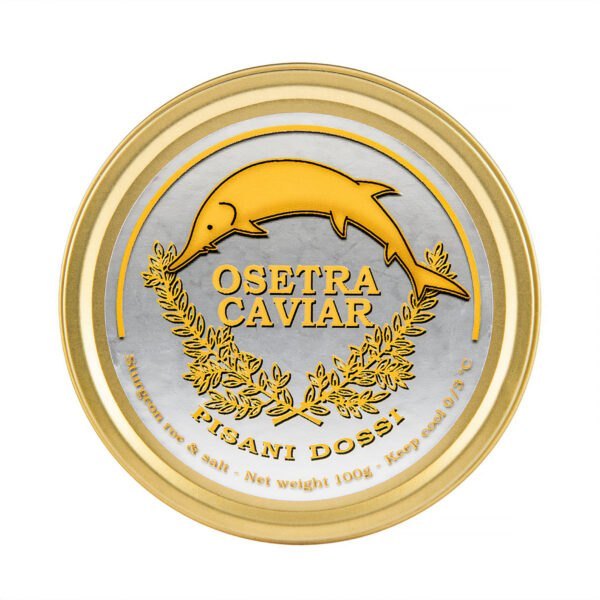
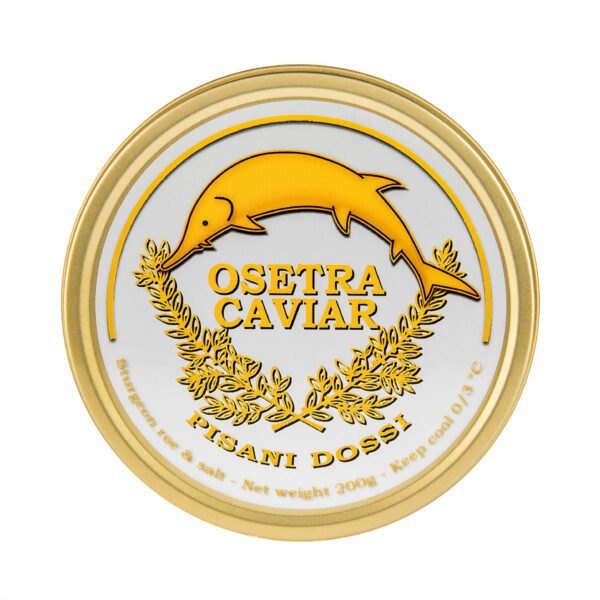
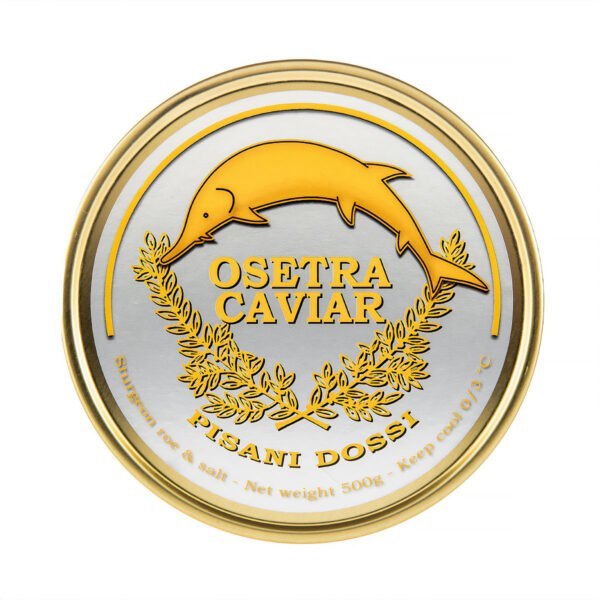
Every product in the premium black caviar collection meets strict malossol quality standards, with salt content calibrated to preserve the natural, species-specific flavor of each sturgeon variety. The Pisani Dossi brand, carried exclusively through PremiumCaviar, is the producer behind every tin in the range.
Siberian sturgeon and Osetra caviar selections
The shop carries two main fresh black caviar varieties, each with a distinct flavor profile shaped by the sturgeon species and its breeding environment.
Main caviar varieties available:
- Premium Siberian Sturgeon Black Caviar — sourced from Acipenser baerii, with fine-grained texture and a clean, elegant taste
- Premium Osetra Black Caviar — sourced from a hybrid of Russian Acipenser gueldenstaedtii and Siberian Acipenser baerii, with a richer, more complex flavor profile
Both varieties are processed using the malossol curing method, keeping salt content low enough to let the natural buttery and oceanic notes speak clearly. The Osetra selection in particular meets the highest malossol caviar standards, with each pearl reflecting the firm texture and glossy finish that signal correct curing.


Fresh delivery and verified quality
Receiving fresh sturgeon roe in peak condition requires fast, reliable cold-chain logistics. PremiumCaviar handles delivery across Switzerland, ensuring each order arrives cold and in proper condition. Tins are vacuum-sealed immediately after curing to protect the delicate flavor compounds established during the malossol process.
Customers who have experienced both the products and the service have left detailed feedback confirming consistent quality, attentive support, and dependable delivery. Reading verified client reviews gives a clear, firsthand perspective on what the ordering experience looks like in practice.
For anyone ready to experience genuine malossol black caviar or seeking guidance on choosing between Siberian and Osetra varieties, the PremiumCaviar team is available for direct consultation and support. Reach out, explore the full range, and place an order with confidence.
How storage conditions preserve the taste malossol curing establishes
Curing with the malossol method creates the flavor, but storage keeps it alive. Once the malossol curing process is complete, the roe is highly perishable. Without the right conditions, even a perfectly cured batch will lose its character within days.
The factors that matter most are temperature, oxygen exposure, and packaging integrity. Each of these elements plays a direct role in how long the flavor established during curing remains at its peak.
Why vacuum-sealed tins and sub-zero refrigeration are essential after curing
After curing, malossol black caviar is packed immediately into vacuum-sealed tins or jars. Vacuum sealing removes oxygen from the packaging, which prevents oxidation of the sensitive lipids and aromatic compounds inside each pearl.
Refrigeration temperature is equally critical. The ideal storage range is 28°F to 32°F (approximately minus 2°C to 0°C). This is slightly below the standard home refrigerator setting and matches the sub-zero conditions of professional cold storage.
At this temperature, enzymatic activity inside the eggs slows to near zero. Bacterial growth remains suppressed, and the subtle flavor compounds preserved during malossol curing stay chemically stable. Even minor temperature fluctuations can accelerate flavor degradation.
How freezing affects the texture and flavor profile of malossol black caviar
Freezing may extend the life of malossol caviar on paper, but it causes significant texture damage. Ice crystals that form inside the egg during freezing rupture the cell membrane. When the caviar thaws, the pearl collapses and weeps liquid.
Key effects of freezing on malossol caviar:
- Cell membrane rupture from ice crystal formation
- Loss of the glossy surface and pearl firmness
- Irreversible texture change from round, firm bead to soft, wet mass
- Partial flavor loss as aromatic compounds escape through broken membranes
The flavor impact is also real. Aromatic and volatile compounds that escape through broken membranes after thawing cannot be recovered. The clean, oceanic finish that defines fresh black caviar is substantially diminished.
For this reason, professional caviar producers and specialists consistently recommend never freezing malossol roe. The method was designed for fresh consumption, and the storage approach must match that intent.
The shelf life window when fresh malossol caviar retains its peak taste
An unopened, vacuum-sealed tin of fresh malossol caviar stored at 28–32°F typically holds peak quality for four to six weeks from the packing date. This is the window during which the flavor established during malossol curing remains at its best.
Once opened, the shelf life drops sharply. Air exposure triggers oxidation and begins to dry the surface of each pearl. Most specialists recommend consuming opened malossol black caviar within two to three days for the best taste experience. The absolute maximum before noticeable decline is around seven days.
Pasteurized versions last up to six months unopened, but the heat treatment used in pasteurization alters the flavor in ways that separate that product from true malossol curing results. Shelf life gained through pasteurization always comes at the cost of taste.
Pro tip: Store an unopened tin of fresh malossol caviar in the coldest part of the refrigerator, typically the back of the bottom shelf, and place it on a small bed of crushed ice for maximum temperature stability.
FAQ: Frequently Asked Questions
What does “malossol” actually mean, and why does that name matter for caviar quality?
The word malossol comes from Russian and translates directly as “little salt.” It describes a caviar curing technique that uses no more than 5% salt by weight, often as low as 3–3.7%. This strict salt limit is what separates true premium-grade sturgeon roe from heavier, lower-quality preparations.
The name carries real meaning because it signals a production standard. Any caviar labeled malossol must meet a defined salt threshold. At that level, natural flavor compounds in the egg remain intact, the delicate buttery and oceanic notes stay preserved, and the pearl texture stays firm rather than rubbery. The label is a quality marker, not just a description.
How does malossol curing preserve the natural taste of fresh black caviar without refrigeration during production?
Malossol curing works through osmosis. When fine salt contacts the surface of each sturgeon egg, water moves outward through the membrane. This reduces internal water activity, creating an environment where bacteria cannot thrive. The process takes only minutes and requires no heat at any stage.
What makes this method effective for fresh black caviar is that the low salt concentration removes moisture without stripping flavor. The volatile aromatic compounds, free amino acids, and lipids that create the nutty and briny taste profile stay locked inside each pearl. Excessive salt would pull these compounds out along with the moisture, erasing the taste that makes the roe special.
Cold temperature during production, typically near 0°C, slows any enzymatic activity that could degrade aroma. The combination of minimal salt and precise cold control means the natural taste of sturgeon roe survives the curing process almost entirely undisturbed.
What is the difference between malossol caviar and pressed caviar in terms of flavor and salt content?
Malossol caviar and pressed caviar are fundamentally different products. Malossol contains 2.7–5% salt, and each egg remains intact. Pressed caviar, known in Russian as payusnaya, uses over 10% salt. The roe is then compressed into a dense, paste-like mass.
The flavor difference is significant. Malossol black caviar retains the species-specific character of the sturgeon, including subtle nuttiness and clean oceanic finish. Pressed caviar has a bold, concentrated, heavily briny taste. The delicate nuances that come from light salting caviar simply cannot survive the high-salt, high-pressure process used to make the pressed variety.
How long does malossol caviar retain its peak flavor after curing, and what storage conditions are required?
An unopened, vacuum-sealed tin of malossol caviar holds peak flavor for four to six weeks from the packing date when stored at 28–32°F (minus 2°C to 0°C). This sub-zero range slows enzymatic activity and keeps the natural taste of fresh caviar chemically stable inside each pearl.
Once the tin is opened, the shelf life drops quickly. Air exposure triggers oxidation of the sensitive lipids and aromatic compounds inside the eggs. Consumption within two to three days is strongly recommended for the best taste experience.
Freezing is not a viable solution. Ice crystals that form during freezing rupture the sturgeon egg cell membrane, causing the pearl to collapse and weep liquid after thawing. The delicate flavor profile preserved during malossol curing is substantially reduced as aromatic compounds escape through the broken membrane. Proper refrigeration, not freezing, is the only storage method that keeps the full quality intact.
Conclusion
Malossol curing works because it respects the biology of the sturgeon egg rather than overriding it. At 3–5% salt, osmosis removes just enough moisture to prevent spoilage while leaving the lipids, amino acids, and volatile aromatics that define the natural taste of fresh black caviar untouched. The molecular changes triggered by light salting, including controlled changes to membrane proteins and phospholipid structure, create the firm texture and glossy appearance that mark a properly cured pearl. Every step, from grading and rinsing to precise curing time and cold temperature control, exists to protect a flavor that can be easily lost.
The comparison with pressed and pasteurized methods confirms the malossol advantage clearly. Heavy salting overwhelms delicate briny notes. Heat degrades aromatic compounds. Only malossol black caviar, stored in vacuum-sealed tins at sub-zero temperatures and consumed within its narrow freshness window, delivers the full, uncompromised flavor that makes sturgeon roe exceptional. The science behind malossol is precise, the process is demanding, and the result, when every condition is met, is a taste experience that no other curing method can replicate.
Sources:
- https://pubmed.ncbi.nlm.nih.gov/40774214/
- https://pubmed.ncbi.nlm.nih.gov/41548274/
- https://pmc.ncbi.nlm.nih.gov/articles/PMC8070692/
- https://pmc.ncbi.nlm.nih.gov/articles/PMC9702528/
- https://www.sciencedirect.com/science/article/abs/pii/S092422442600141X
- https://en.wikipedia.org/wiki/Caviar
- https://en.wikipedia.org/wiki/Osmosis
- https://en.wikipedia.org/wiki/Water_activity