
Siberian black caviar stands apart from every other premium sturgeon roe on the market. Sourced from Acipenser baerii, a species native to the cold river systems of Siberia, this caviar carries a flavor fingerprint shaped by geography, biology, and centuries of natural adaptation. Its buttery, nutty taste and firm bead structure set a clear sensory distance from Beluga, Osetra, and Sevruga roe.
The story behind Siberian black caviar goes beyond taste alone. Wild Acipenser baerii populations once thrived across the Ob, Yenisei, and Lena rivers, feeding in frigid, mineral-rich waters that left a permanent mark on roe composition. Today, farmed production has taken center stage, yet the genetic traits of the species still produce roe with a character all its own.
For caviar connoisseurs and curious food lovers alike, understanding what sets Siberian sturgeon caviar apart requires a closer look at flavor chemistry, farming science, sustainability records, and regulatory history. Each of these areas reveals why this particular roe has earned a respected position among the world’s finest gourmet foods.
Why Siberian black caviar has a flavor profile unlike any other sturgeon roe
The flavor of Siberian black caviar reflects the biological traits of Acipenser baerii more than any production method. The species produces roe with a naturally moderate fat content, a low brine level, and a subtle mineral note that lingers after each bite. Tasting it side by side with other premium varieties makes the differences clear and measurable.
The natural fat content that shapes Siberian caviar’s buttery, nutty taste
The fat composition of Acipenser baerii roe sits at roughly 16 grams per 100 grams of caviar, with a nearly equal ratio of omega-3 to omega-6 fatty acids. This balance of monounsaturated and polyunsaturated acids translates directly into the characteristic buttery, nutty taste that defines Siberian sturgeon roe. The fat molecules coat the palate slowly, producing a clean, smooth finish without the aggressive brininess found in smaller-egg varieties.
Warm-water species tend to produce roe with a higher proportion of saturated fats and a denser, more overpowering taste. Cold-water adaptation in Acipenser baerii shifts the fatty acid profile toward longer-chain unsaturated compounds, which carry more delicate flavors. This biochemical difference explains why Siberian caviar flavor reads as refined rather than bold on the palate.
How Acipenser baerii grain size and firmness differ from Beluga and Osetra
Siberian sturgeon roe measures between 2.5 and 3 millimeters in diameter, placing it in a mid-range category. Beluga roe can reach 4 millimeters or more, making it noticeably softer and more delicate. Osetra grains sit close to Siberian in size but tend toward a softer shell. Acipenser baerii grain size produces a firm, slightly chewy bead that pops cleanly under light pressure.
Firmness in caviar roe depends on both egg wall thickness and fat distribution inside the membrane. The Acipenser baerii species produces a relatively thick membrane, which gives the bead its characteristic resilience. Cold-processing techniques used in quality harvesting preserve this firmness and lock in a glossy surface that signals freshness and proper handling.
Why Siberian caviar’s brine intensity sits lower than most premium roe varieties
Saltiness in caviar scales inversely with egg size. Smaller roe, such as Sevruga, packs more surface area per spoonful, which means more salt contact per bite, producing its notoriously strong, briny character. Siberian caviar brine intensity sits well below Sevruga levels because the medium-sized beads have less relative surface area exposed to the salt cure.
Malossol processing, the light-salting method used for top-grade Siberian roe, adds only 3 to 5 percent salt by weight. This restrained curing preserves the natural flavor compounds without masking the subtle sweetness and umami notes present in Acipenser baerii roe. The result is a clean, mildly salty taste that lets the natural roe character carry through from start to finish.
The role of cold Siberian river water in developing its distinctive mineral finish
The mineral finish in Siberian black caviar traces back to the original habitat of the species. The Ob, Yenisei, and Lena river systems flow through silicate-rich geological formations, and the water carries dissolved minerals that accumulate in the fish tissue over years. This mineral load leaves a faint, clean finish reminiscent of cold fresh water or river stone.
Farmed Acipenser baerii raised in controlled water systems can replicate elements of this finish when farms use naturally sourced cold water and mineral-balanced feed. The cold temperature also slows metabolism, which concentrates flavor compounds in the roe over longer maturation periods. The result is a distinctive mineral finish that other farmed caviar varieties, raised in warmer or chemically treated water, rarely match.
Flavor notes common in Siberian black caviar:
- Buttery, nutty base with a mild umami depth
- Clean ocean aroma without strong fishiness
- Faint mineral finish from cold-water mineral exposure
- Low to moderate saltiness with a smooth mouthfeel
- Subtle sweetness that persists after swallowing
Experienced tasters often describe Acipenser baerii roe as an accessible entry point into premium caviar, yet one that rewards careful attention. The flavor builds across multiple bites rather than hitting immediately, which distinguishes it from the instant briny punch of Sevruga or the overwhelming richness of large-bead Beluga. This layered character makes it a consistent choice for pairing with neutral accompaniments like blinis or lightly buttered toast.
How Siberian sturgeon farming produces consistently high-grade black caviar
Farmed Siberian sturgeon caviar now accounts for a large share of global black caviar production. Controlled aquaculture removes the unpredictability of wild harvests, allowing producers to manage every variable from water temperature to feed composition. This control translates into roe that meets consistent quality standards across each production batch.
Why controlled aquaculture yields more uniform roe than wild-harvest methods
Wild-harvested sturgeon roe varies significantly based on season, water conditions, age of the fish, and stress during capture. Each of these factors affects egg size, color, and chemical composition in ways that cannot be controlled outside a farm setting. Controlled aquaculture eliminates most of this variability by keeping fish in stable environments with regulated feeding schedules and consistent water quality.
Recirculating Aquaculture Systems (RAS) represent the most controlled form of Acipenser baerii farming. These closed-loop systems maintain water temperature, oxygen levels, and waste management within narrow parameters year-round. Farms using RAS report more consistent roe quality grades across harvests compared to traditional open-pond or flow-through systems. The precision of these systems makes high-grade farmed Siberian caviar a reliable product rather than a seasonal luxury.
The maturation timeline that sets Siberian sturgeon apart from faster-maturing species
In the wild, Acipenser baerii females reach sexual maturity between 12 and 20 years of age, depending on the river system and water temperature. Under farm conditions with temperate water and controlled feeding, this timeline compresses to roughly 7 to 8 years for females. This is still longer than species like the Russian sturgeon, where RAS conditions can produce mature females in 5 to 7 years.
The extended maturation period in Siberian sturgeon farming directly affects roe quality. Longer development allows fat compounds and amino acids to accumulate gradually inside each egg. This slow biochemical buildup produces the nutty, rounded flavor profile that makes Acipenser baerii roe stand out from faster-maturing species whose roe can taste flat or underdeveloped.
Farms harvesting at the 9 to 10 year mark rather than the minimum 7 years consistently report better color depth, firmer beads, and a more pronounced flavor. The additional time investment reflects in the final product, and experienced buyers can detect the difference between minimally matured and fully matured Siberian roe through color, aroma, and bead integrity.
Key factors in Siberian sturgeon aquaculture quality:
- Water temperature held between 18 and 22 degrees Celsius for optimal growth
- Protein-rich feed with controlled omega-3 supplementation
- Low-stress handling protocols before and during harvest
- Cold-processing immediately after harvest to preserve bead firmness
- Malossol salt application at 3 to 5 percent for top-grade tins
These steps follow the production logic of the best European farms, where high-grade black caviar production has expanded rapidly since wild Caspian stocks declined. Producers in France, Poland, and China have adapted these protocols from traditional Russian methods, adjusting them for the specific metabolic needs of Acipenser baerii in farmed conditions.
How water temperature and diet management directly shape caviar quality grades
Water temperature governs the metabolic rate of Acipenser baerii, which in turn affects how quickly fat and protein compounds develop in the roe. Cold water slows metabolism, concentrating flavor compounds and producing firmer egg membranes. Farms that allow seasonal temperature variation often note that fish held at lower temperatures during the final months before harvest produce darker, firmer roe.
Diet management plays an equally direct role. Feed with a balanced ratio of omega-3 and omega-6 fatty acids produces roe that mirrors the fatty acid profile found in wild-harvested Siberian specimens. Farms that rely on low-quality fish meal notice a flat, underdeveloped flavor in the roe, while those using high-protein diets with marine-sourced fats consistently produce caviar that scores at higher quality grades. The link between feed composition and caviar quality grades is measurable and repeatable across production cycles.
Siberian black caviar ranked against Beluga, Osetra, and Sevruga varieties
Placing Siberian black caviar in context with the other three major premium varieties reveals where it excels and where it sits at a middle point. Color, texture, sustainability, and nutrition all shift meaningfully across these four types of sturgeon roe. A structured comparison makes the distinctions easier to read.
Color spectrum comparison: jet black to dark grey across premium sturgeon roe types
The color of Siberian roe ranges from dark brown to jet black, with shade variation depending on fish age, diet, and water mineral content. Younger fish tend to produce lighter, dark-grey beads, while older specimens yield deeper black tones. Beluga roe presents in light grey to steel grey shades. Osetra spans a wide range from golden yellow to dark brown, and Sevruga tends toward dark grey to black.
Color in sturgeon roe varieties signals both species identity and maturation level. Darker beads in Siberian caviar are a sign of older fish and longer fat accumulation, which correlates with richer flavor. Buyers familiar with premium caviar use color as a quick indicator of age and quality grade, with the darkest Siberian tins commanding attention for their depth of flavor.
How texture, bead size, and oil content differ across the four major varieties
The table below compares the four major premium sturgeon roe varieties across key physical and nutritional attributes.
| Attribute | Siberian (A. baerii) | Beluga (Huso huso) | Osetra (A. gueldenstaedtii) | Sevruga (A. stellatus) |
|---|---|---|---|---|
| Bead size | 2.5–3 mm | 3.5–4+ mm | 2.5–3.5 mm | 1.5–2.5 mm |
| Texture | Firm, slightly chewy | Very soft, delicate | Medium firmness | Firm, dense |
| Color range | Dark brown to black | Light grey to steel grey | Golden yellow to dark brown | Dark grey to black |
| Brine intensity | Low to moderate | Low | Moderate | High |
| Oil content | Moderate, balanced | High | Moderate to high | Lower |
| Flavor character | Buttery, nutty, mineral | Creamy, mild | Nutty, slightly stronger | Briny, intense |
Sevruga’s small bead size and high surface-area-to-volume ratio make it the saltiest of the four. Beluga’s large, thin-shelled eggs burst immediately on the tongue, releasing a mild, creamy flavor. Acipenser baerii sits between these two poles, offering a firm pop and a sustained nutty finish that neither Beluga nor Sevruga can match in that specific way.
Why Siberian caviar scores highest in sustainability ratings among farmed sturgeon roe
Acipenser baerii adapts well to aquaculture conditions, reproduces reliably under controlled settings, and reaches harvestable maturity without requiring the extreme time investment of Beluga (Huso huso), which can take 15 to 25 years. This biological flexibility makes Siberian sturgeon farming the most scalable and least ecologically disruptive of all the major caviar species. Wild Beluga populations face critical endangerment, and wild Osetra stocks have declined sharply in the Caspian Sea.
Sustainability rating bodies such as the Aquaculture Stewardship Council (ASC) and environmental reviewers consistently place farmed Acipenser baerii at the top of sturgeon roe rankings for ecological responsibility. Farms using non-lethal harvesting techniques, closed water systems, and traceable feed chains achieve the highest certification scores. Sustainable caviar production from Siberian sturgeon now supplies markets that previously depended on wild Caspian stocks.
Pro tip: When selecting Siberian caviar, check the tin label for a CITES species code beginning with “BAE,” an ASC certification mark, and a harvest year. These three data points confirm authentic, traceable, sustainably sourced roe in a single label check.
Nutritional differences: omega-3 levels, protein density, and amino acid profiles compared
A 30-gram serving of Acipenser baerii caviar delivers approximately 7 grams of protein and 5 grams of total fat, with a notable concentration of DHA and EPA omega-3 fatty acids. The omega-3 to omega-6 ratio sits at roughly 1:1, which reflects a balanced fatty acid profile that supports cardiovascular and neurological health. Beluga caviar carries a higher absolute fat content due to its larger egg size, but the omega-3 ratio advantage shifts toward Siberian and Osetra varieties in head-to-head nutritional comparisons.
Amino acid analysis confirms that Siberian sturgeon roe is a complete protein source, covering all essential amino acids including lysine, methionine, and threonine. The protein density per gram of caviar is high relative to other animal-derived foods. Vitamins B12, D, and E appear in measurable concentrations, as do phosphorus, selenium, and zinc, making this roe a nutritionally dense food beyond its culinary appeal.
Authentic Siberian black caviar and premium roe selection at PremiumCaviar Shop
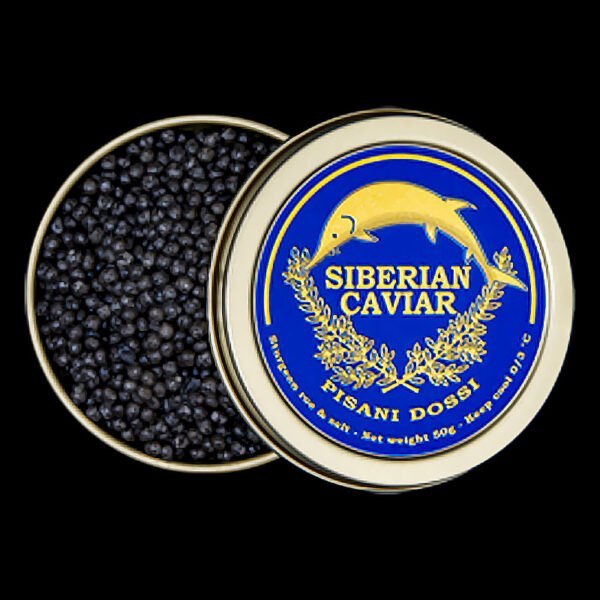
Finding genuine, traceable Siberian black caviar in a reliable format is not always straightforward. PremiumCaviar is a dedicated caviar boutique focused exclusively on premium black caviar sourced from verified, certified producers. The shop carries a curated range of Pisani Dossi products, a respected caviar label known for consistent quality, malossol processing, and traceability documentation on every tin.
Each product in the shop comes with full species identification and production records, making it straightforward to confirm what is inside the tin before purchase. The focus is narrow by design: only the finest farmed sturgeon roe reaches the selection, with no compromise on freshness or sourcing standards.
Siberian and Osetra black caviar product range
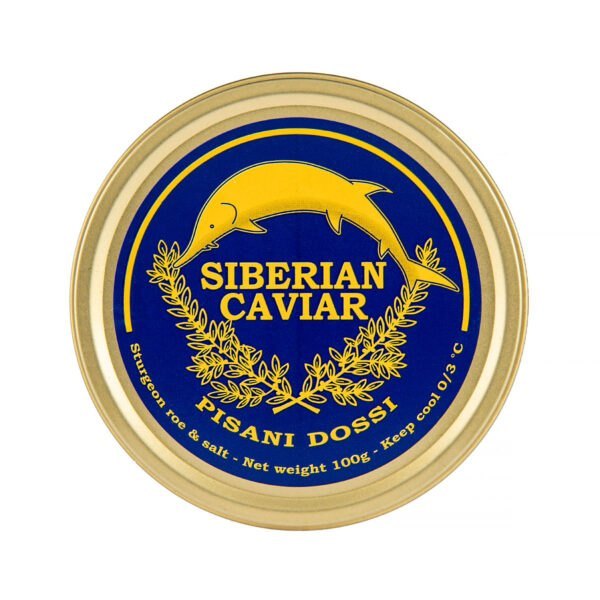
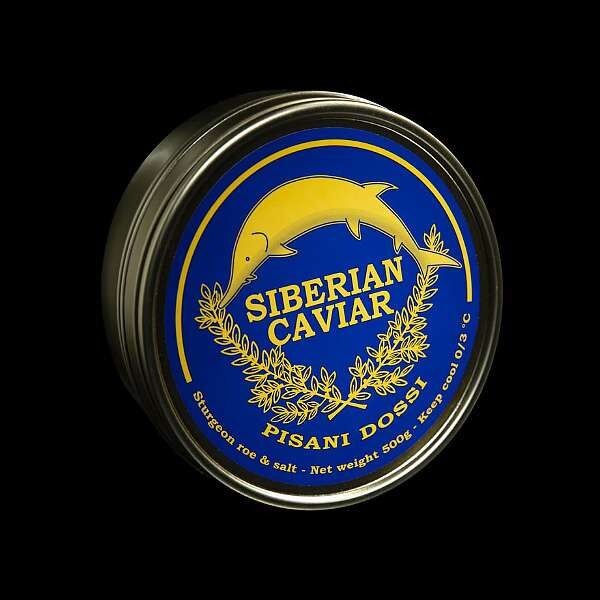
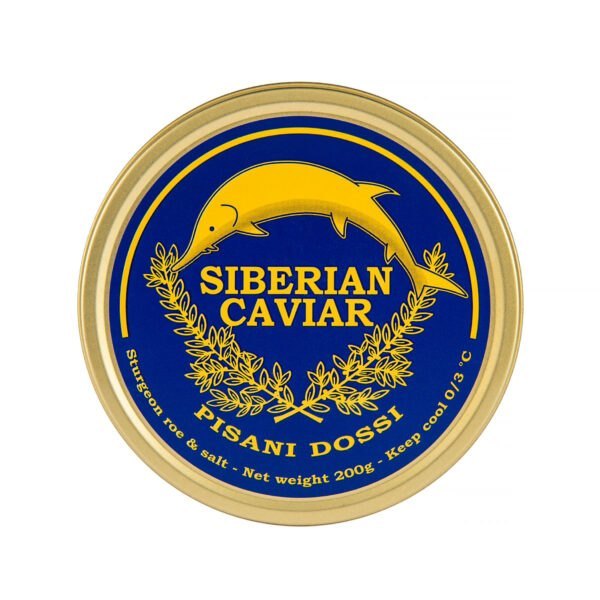
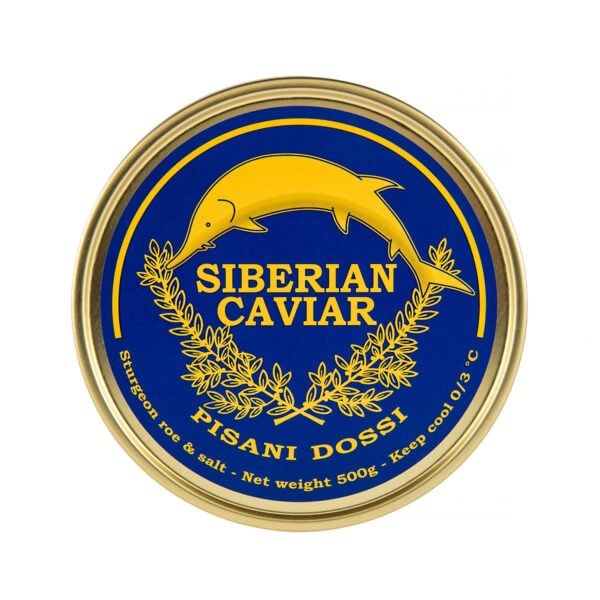
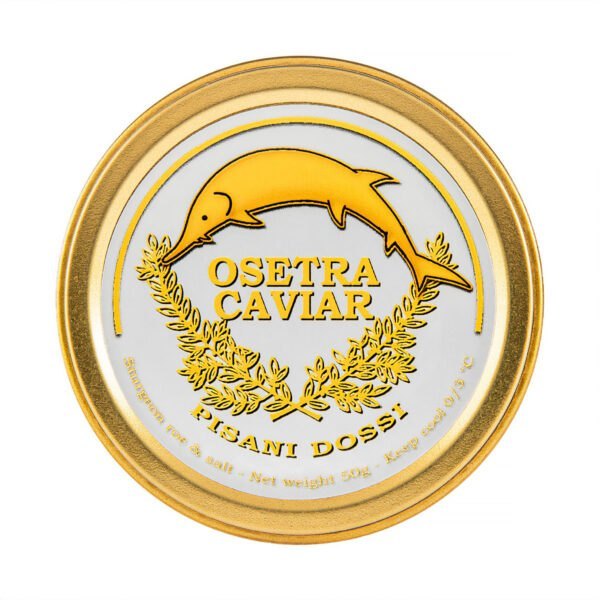
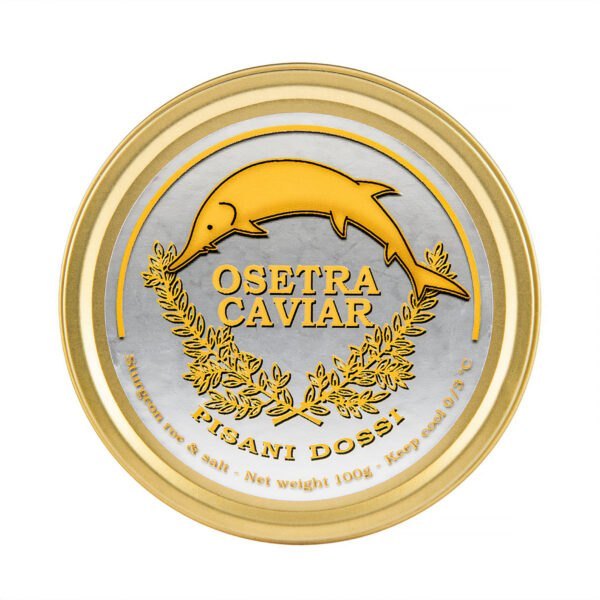
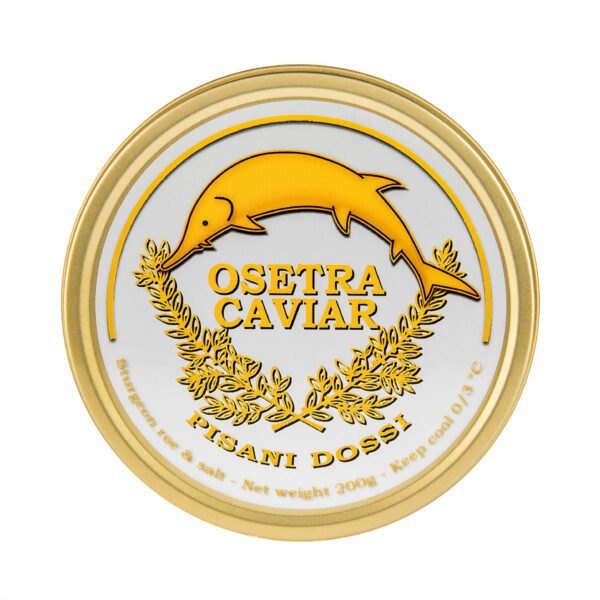
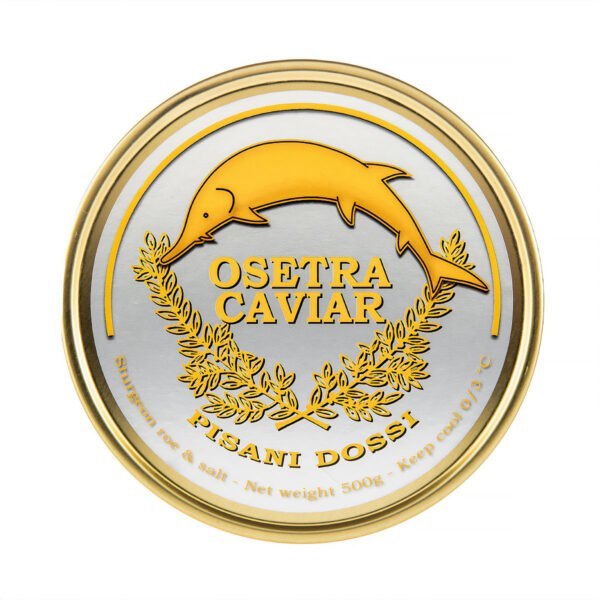
The shop stocks two flagship caviar categories. Premium Siberian Sturgeon Black Caviar from Pisani Dossi is sourced from Acipenser baerii and features firm, fine-grained black eggs with the characteristic buttery, nutty taste that defines the species. Tins are available in multiple formats, from 50-gram options for personal tasting to 500-gram formats for larger occasions.
Available caviar formats in the Siberian range:
- 50-gram tin, suited for individual tasting or gifting
- 100-gram tin, a strong choice for home entertaining
- 200-gram tin, well suited for intimate dinners
- 500-gram tin, a preferred format for events and serious enthusiasts
Alongside the Siberian range, Premium Osetra Black Caviar rounds out the selection with hybrid sturgeon roe that delivers a slightly stronger nutty character and medium-firm bead structure. Both categories are available through the full premium caviar collection, where all active products appear in one place.


Quality standards and customer experience
Every order from PremiumCaviar ships with proper cold-chain packaging to preserve caviar bead firmness and aroma during transit. Fast delivery keeps the product within its optimal freshness window from harvest to table. Verified buyers have shared their experience with product quality, support, and delivery speed across published customer reviews, giving a clear picture of what to expect before placing an order.
The shop’s product team is available Monday through Friday, 10:00 to 17:00, for direct consultation on selecting the right caviar format for a specific occasion, dietary consideration, or gifting purpose. Whether the goal is a first tasting of Siberian sturgeon roe or a larger order for a special event, expert guidance is a straightforward message away.
Explore the full range, read verified buyer feedback, and place an order directly through PremiumCaviar for fresh, certified black caviar delivered with care and precision.
What CITES regulations and sustainability standards mean for Siberian black caviar today
Regulatory frameworks have reshaped the global caviar trade over the past three decades. The decline of wild Caspian sturgeon populations forced international bodies to act, and the rules that emerged from that process directly shaped how Siberian black caviar is produced, certified, and traded today. Understanding these rules helps buyers make informed purchasing decisions.
How Acipenser baerii gained legal farmed status while wild Caspian stocks declined
All sturgeon species, including Acipenser baerii, came under CITES regulation in 1998 after population declines in the Caspian Sea reached levels that threatened commercial extinction. Wild Acipenser baerii populations in Siberian rivers were less impacted than Caspian species, but the regulatory framework applied species-wide. The key change that shaped today’s market was the explicit legal recognition of farmed Acipenser baerii as a sustainable, commercially viable alternative to wild-harvest Caspian sources.
CITES permits for farmed sturgeon caviar require full traceability, from farm registration through to export documentation. Each tin of authentic farmed Siberian caviar carries a coded label that identifies the species, country of origin, production year, and batch number. This paper trail separates legal, farm-raised product from any mislabeled or wild-caught roe attempting to enter regulated markets.
The certification labels that confirm authentic, sustainably sourced Siberian black caviar
The CITES label code for Acipenser baerii begins with the three-letter species designation “BAE,” followed by the production type, country code, year, and batch identifier. A complete code reads in a format such as BAE/C/DE/2024/batch number, where “C” indicates captive-bred origin. Tins without this code do not meet international trade standards and cannot be legally exported across CITES member borders.
Beyond CITES documentation, third-party certifications add another layer of verified sourcing. The Aquaculture Stewardship Council (ASC) certification signals that the farm meets environmental and social standards for water use, waste management, and fish welfare. Buyers looking for sustainably sourced Siberian caviar should look for both the CITES code and a recognized third-party certification on the tin before purchasing.
Certification types relevant to Siberian black caviar:
- CITES species code “BAE” on every tin for species traceability
- ASC certification for environmental farm standards
- ISO 22000 or equivalent food safety management certification
- Non-lethal harvest certification from farms using stripped techniques
- Country-of-origin labeling for full supply chain transparency
Verified labels protect buyers from counterfeit products and support farms that invest in responsible production. The global market for certified sturgeon caviar grew rapidly after stricter enforcement of CITES export controls tightened the supply of unlabeled product. Transparency in labeling has become a competitive signal in the premium caviar segment.
Why Siberian sturgeon farming expanded rapidly after Beluga export bans took effect
The United States banned all imports of wild Beluga caviar in 2005 after Huso huso was listed under the Endangered Species Act. This ban removed the most famous caviar variety from the world’s largest luxury food market and created immediate demand for legal, high-quality alternatives. Acipenser baerii was the species best positioned to meet this gap, combining manageable farming requirements with a flavor profile acceptable to experienced Beluga consumers.
European and Asian farms accelerated Acipenser baerii production through the late 2000s and 2010s in response to this market shift. France, Italy, Germany, Poland, and China all developed commercial-scale Siberian sturgeon operations during this period. The expansion was further reinforced by CITES restrictions that tightened quotas on wild-caught Osetra and Sevruga, pushing more buyers toward the one farmed variety with a consistent legal supply chain.
Pro tip: When shopping for Siberian black caviar, choose tins produced by farms that list both a CITES code and a harvest year. Freshness in caviar matters more than vintage, and a clear harvest date confirms the product has not sat in storage beyond its optimal consumption window.
FAQ: Frequently Asked Questions
What makes the taste of Siberian black caviar different from Beluga and Osetra?
Siberian black caviar (Acipenser baerii) carries a buttery, nutty flavor profile that sets it apart from both Beluga and Osetra. Beluga roe is notably mild and creamy, with large, delicate beads that burst gently on the palate. Osetra tends toward a stronger, more complex nuttiness with occasional hints of sea and iodine. Siberian caviar sits between these two, delivering a clean, well-balanced taste with a satisfying briny finish and a subtle mineral note derived from cold-water origins.
The brine intensity of Siberian roe stays lower than most premium varieties, thanks to malossol processing at roughly 3 to 5 percent salt by weight. This restrained salting preserves the natural sweetness and umami depth of the roe without masking its character. The result is a layered caviar flavor that builds across each bite rather than hitting the palate immediately with salt.
How should Siberian black caviar be stored and served correctly?
Proper storage and serving of Siberian sturgeon caviar directly affect taste, texture, and shelf life. Unopened tins store best at around 28 to 32 degrees Fahrenheit (minus 2 to 0 degrees Celsius), which means the coldest zone of a home refrigerator. An opened tin should be consumed within two to three days. Heat and air exposure cause caviar bead degradation quickly, so the tin must stay covered when not actively being served.
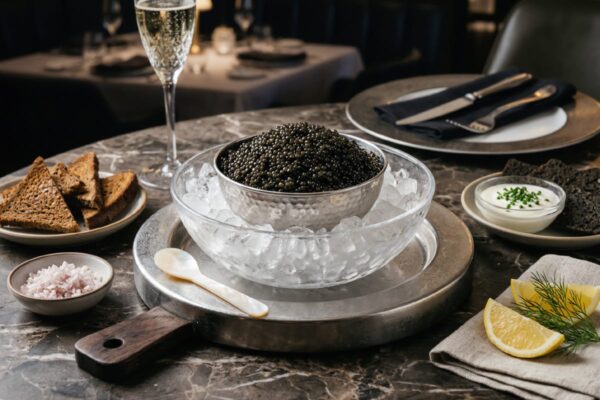
When serving, nest the tin in crushed ice and use a mother-of-pearl, bone, or horn spoon. Metal spoons react with the roe’s natural oils and alter the taste noticeably. Classic caviar pairings include blinis with crème fraîche, lightly buttered toast, or plain unsalted crackers. Champagne, dry white wine, sake, or cold vodka all complement the buttery, mineral finish of Siberian roe without overpowering it.
What health benefits does Siberian black caviar deliver?
Siberian black caviar is a nutritionally dense food in a small serving size. A 28-gram portion delivers around 7 grams of protein, 5 grams of fat, and an impressive array of micronutrients. Vitamin B12 reaches 236 percent of the daily recommended value per ounce, supporting nerve function and red blood cell production. Selenium, iron, and zinc appear in meaningful concentrations as well, supporting thyroid function, oxygen transport, and immune health.
The omega-3 fatty acid content in Acipenser baerii roe covers both DHA and EPA forms, which support cardiovascular and neurological health. The fatty acid ratio in Siberian sturgeon roe sits close to a balanced 1:1 omega-3 to omega-6 ratio, which differs favorably from many processed animal-derived foods. Fat-soluble vitamins A, D, and E are also present, and they absorb more effectively when consumed alongside the natural fats already in the roe. This combination makes black caviar nutrition genuinely broad for such a small serving.
How is authentic Siberian black caviar identified and certified?
Authenticating Siberian black caviar requires checking the tin label for a CITES species code, which begins with the three letters “BAE” for Acipenser baerii. This code confirms the species, country of origin, production year, and batch number. Tins without a complete CITES code do not meet international trade standards and cannot be legally exported across member borders. The code structure protects buyers from mislabeled or substituted roe.
Third-party certification from bodies such as the Aquaculture Stewardship Council (ASC) adds another layer of sourcing transparency. ASC certification confirms that the farm met environmental, social, and fish welfare standards during production. Together, a valid CITES traceability code and a recognized certification mark confirm that the Siberian sturgeon caviar in the tin came from a legal, responsibly managed farm. A clearly printed harvest year on the label also confirms that the product is within its optimal freshness window.
Conclusion
Siberian black caviar earns its place among the world’s top-tier roe varieties through a combination of natural biology, careful farming practice, and a regulatory record that few other caviar types can match. The buttery, nutty flavor of Acipenser baerii, its firm medium bead, and its clean mineral finish reflect traits built into the species over thousands of years of adaptation to cold river environments. These characteristics hold whether the fish is raised in a Siberian river or a European aquaculture facility, because the genetic blueprint of the species carries the flavor.
The shift toward farmed Siberian sturgeon caviar arrived at a critical moment for the global caviar industry. As wild Caspian populations collapsed and Beluga imports were banned from major markets, Acipenser baerii stepped into the gap with a product that satisfied connoisseurs and cleared regulatory standards. The combination of CITES traceability, ASC certifications, and non-lethal harvesting techniques has made Siberian caviar the most documented and ethically sourced black caviar on the market today. That trust, backed by clear label standards, is what sets it apart not just in flavor, but in the broader story of how fine food can align with responsible production.
Sources:
- https://en.wikipedia.org/wiki/Siberian_sturgeon
- https://www.fao.org/fishery/en/culturedspecies/acipenser_baerii
- https://www.fao.org/fishery/docs/CDrom/aquaculture/I1129m/file/en/.!32635!en_acipenser_old.htm
- https://www.fishbase.se/summary/SpeciesSummary.php?ID=4683
- https://cites.org/eng/prog/sturgeon.php
- https://www.fws.gov/story/2005-10/service-suspends-trade-threatened-beluga-sturgeon
- https://pubs.sciepub.com/jfnr/1/5/5/
- https://pmc.ncbi.nlm.nih.gov/articles/PMC9702528/
- https://pmc.ncbi.nlm.nih.gov/articles/PMC12920915/
- https://researchportal.hkr.se/ws/files/98850800/Quality_characteristics_of_Swedish_black_caviar_from_live_sturgeons_Acipenser_baerii.pdf
- https://acgpubs.org/doc/20240705155245A4-86-RAFC-2403-3161.pdf