Caviar ranks among the most prized foods in the world, yet not all caviar is equal. Fresh black caviar without preservatives stands apart from treated or pasteurized alternatives in taste, texture, and nutritional value. Serious buyers seek it out, not out of habit, but because the difference is measurable from the very first bite.
The way roe is processed after harvest shapes everything that reaches the palate. Salt alone, applied at 3% to 5% concentration, preserves the eggs without masking their natural character. Any chemical treatment beyond salt, whether pasteurization or added acids, changes the product in ways that trained tasters and even first-time buyers can detect.
This difference matters to buyers who want the real product, not a shelf-stable substitute. The insistence on buying fresh black caviar without additives reflects a more profound understanding of what caviar is, how it ages, and what preservation methods take away.
Why fresh black caviar without preservatives tastes entirely different
The taste profile of fresh black caviar without preservatives is what separates it from every treated alternative. Authentic, additive-free roe delivers a clean, briny finish with buttery, nutty notes and no artificial aftertaste. Chemical treatments alter that profile at the molecular level, leaving behind flavors that belong to the preservative, not the fish.
Buyers with experience in tasting caviar can identify treated roe in seconds. The mouthfeel changes, the finish shortens, and the natural complexity flattens. Understanding why this happens starts with how salt and enzymes interact with roe after harvest.
How salt alone preserves caviar flavor in malossol-style preparation
The malossol preparation method takes its name from the Russian phrase for “little salt.” It calls for 3% to 5% sodium chloride, applied directly to fresh roe after harvest. That concentration is just enough to slow microbial growth without suppressing the eggs’ natural flavor compounds.
Grade 1 malossol caviar contains 3% to 6% salt and keeps the pearls intact, glossy, and uniform in size. No heat, no acid, and no secondary chemicals enter the process. The result is a product that reflects the natural chemistry of the sturgeon species, diet, and water source.
Salt at these low levels does not coat or overpower the roe. It works with the natural water activity of the egg to slow spoilage while leaving the volatile flavor compounds intact. Those compounds, which include fatty acid esters and amino acid derivatives, are what tasters describe as “oceanic,” “buttery,” or “nutty.”
Why added preservatives chemically alter the delicate roe texture
Preservatives beyond salt interfere with the structural proteins in caviar eggs. Borax, for example, interacts with egg membranes in ways that change their elasticity. Sensory panel tests conducted on sturgeon caviar treated with sodium tetraborate showed lower egg firmness and reduced organoleptic scores compared to salt-only preparations.
Sorbic acid and other organic preservatives affect the surface chemistry of the roe. The result is a bead that may hold its shape longer on the shelf, but bursts differently in the mouth. Tasters describe the texture of preserved roe as “rubbery” or “chewy,” which is far from the clean, light pop of minimally processed caviar.
The European Food Safety Authority (EFSA) evaluated borax in 2013 and set a maximum permitted level of 4 g/kg of boric acid for caviar. Even at permitted levels, sensory panels linked borax treatment to lower texture scores. The global market has moved toward borax-free products in response.
How oxidation and enzyme activity change unpasteurized caviar over time
Unpasteurized caviar contains active enzymes that continue working after harvest. These enzymes break down proteins and fats at a slow, controlled rate, which actually deepens flavor complexity in the first days after processing. This is similar to how dry-aged meat develops more flavor as enzymes work through the muscle fibers.
Oxidation of omega-3 fatty acids is the competing force. When roe is exposed to air or warmth, the unsaturated fats in the egg membrane begin to oxidize, producing off-flavors and reducing the clean finish of fresh caviar. Tight vacuum sealing and near-freezing storage between 28°F and 32°F (about -2°C to 0°C) slow this process.
Pasteurization stops enzymatic activity by heating caviar to around 60°C for 20 minutes. While deactivating the enzymes, this process also alters the fatty acid profile and the texture of the bead. The tradeoff is a longer shelf life at the cost of the live, layered flavor that enzyme-active fresh roe carries.
What sensory markers experts use to identify truly fresh black caviar
Trained tasters assess fresh black caviar across four dimensions: aroma, color, bead firmness, and finish. Authentic fresh roe has a mild, clean, oceanic scent with no sharp or “fishy” odor. A strong smell signals oxidation or microbial activity.
Sensory markers for assessing fresh caviar:
- Aroma: Subtle, briny, and ocean-like with no ammonia or sharp fishy odor
- Color: Deep black to dark gray with a glossy, wet sheen and no dullness
- Texture: Beads burst cleanly with a light pop, then melt without chewing
- Flavor finish: Buttery or nutty notes linger briefly, with no metallic or bitter aftertaste
- Egg integrity: No broken or shriveled beads, no sticking between eggs
A clean finish is the hardest marker to fake with treated caviar. Chemical preservatives leave a residual taste, often described as salty or bitter, that lingers past the natural flavor window. Fresh caviar’s finish is brief and clean, which is what distinguishes it from all preserved alternatives.
How preservatives in black caviar affect nutrition and natural compounds
Black caviar nutrition is one of the strongest arguments for buying additive-free roe. Sturgeon eggs carry dense concentrations of omega-3 fatty acids, vitamin B12, selenium, iron, choline, and essential amino acids. Any processing step that uses heat or reactive chemicals risks degrading those compounds before the product reaches the consumer.
The nutritional gap between fresh and treated caviar is not theoretical. Lab analyses of pasteurized and chemically preserved caviar batches show measurable changes in fatty acid profiles, water activity, and amino acid concentrations. Buyers who value caviar health benefits alongside flavor have strong reasons to choose the additive-free product.
Which vitamins and omega-3 fatty acids degrade when preservatives are added
Omega-3 fatty acids, specifically EPA (eicosapentaenoic acid) and DHA (docosahexaenoic acid), are the most nutritionally sensitive compounds in caviar. These polyunsaturated fats oxidize when exposed to heat, light, or reactive chemicals. Pasteurization at 60°C for 20 minutes measurably alters the EPA and DHA ratio in treated roe.
Vitamin B12 and fat-soluble vitamins such as vitamin A and vitamin E are also susceptible to heat degradation. Studies on enriched fish oil products confirm that special conditions during production and storage are necessary to prevent oxidation of omega-3 fatty acids. Without those conditions, hydroperoxides and oxidation byproducts form in the fat fraction.
Fresh preservative-free caviar retains its vitamin and fatty acid profile intact from harvest to table. The only processing step in malossol production, light salting, does not generate the reactive conditions that damage vitamins or polyunsaturated fats. This makes the nutritional value of fresh roe genuinely higher than that of heat-treated alternatives.
How borax and sorbic acid historically altered caviar’s nutritional profile
Borax, known chemically as sodium tetraborate, was the standard caviar preservative for centuries. Sturgeon eggs stored in barrels near the Caspian Sea absorbed natural borax from the soil, which acted as a preservative. That historical practice became a deliberate production step in commercial caviar processing.
Borax does not directly degrade vitamins, but it alters the water activity and protein binding in caviar eggs. Sensory panel data from a 14-month storage study found that caviar treated with borax plus NaCl showed lower organoleptic quality than salt-only caviar after 210 days of refrigerated storage. The texture scores were lower, and the egg structure showed less elasticity.
Sorbic acid and other organic acid preservatives create an acidic microenvironment in the roe. This pH shift accelerates certain oxidation reactions in the lipid fraction. Taken together, the use of borax and organic acids does not preserve nutritional value; it trades short-term microbial safety for measurable losses in texture and sensory quality.
Why enzyme-active fresh roe delivers higher bioavailability of key nutrients
Enzyme-active fresh roe contains intact lipase and protease enzymes that are native to the sturgeon egg. These enzymes begin pre-digesting the fat and protein matrix the moment caviar contacts digestive acid in the stomach. Pre-digested omega-3 phospholipids absorb faster than those from standard fish oil capsules or pasteurized products.
Omega-3 fatty acids in caviar exist primarily as phospholipids, not triglycerides. This phospholipid form has a higher absorption rate in the human gut, which is why a small 28-gram serving of fresh caviar can match or exceed the omega-3 effect of larger fish oil servings. Pasteurization denatures the native enzymes and may partially convert phospholipids through heat-induced reactions.
How connoisseurs distinguish authentic fresh black caviar from preserved
Buyers who understand sturgeon caviar quality do not rely on marketing claims alone. They read labels, check packaging types, and assess the product against known quality benchmarks. Knowing the physical signs of preservation helps buyers separate authentic fresh black caviar from treated substitutes dressed in high-end packaging.
Caviar grading standards and labeling regulations add another layer of accountability. CITES labeling requirements, which apply to all caviar sold in EU countries, mandate non-reusable labels that trace the product from processing plant to point of sale. These labels do not certify preservative-free status, but they do establish a baseline of traceability that serious buyers use as a starting point.
How connoisseurs distinguish authentic fresh black caviar from preserved
Experienced buyers check three things before tasting: the label, the container, and the temperature at delivery. A genuinely fresh product arrives near-frozen, between 28°F and 32°F. Any tin that arrives at room temperature or above 36°F has likely compromised the cold chain, regardless of preservative status.
Steps to verify fresh caviar authenticity:
- Check the salt percentage on the label — authentic malossol caviar lists 3% to 5% NaCl
- Confirm the absence of E-numbers such as E284 (boric acid) or E285 (sodium tetraborate) in the ingredients
- Verify the “consume by” date — fresh, additive-free caviar has a shelf life of 3 to 6 weeks
- Assess the delivery temperature — the product must arrive between 28°F and 32°F (-2°C to 0°C)
- Open the tin and check for a clean, briny scent with no sharpness or ammonia note
Reading the ingredient list is the fastest check. Salt-only caviar lists one ingredient: sturgeon roe and salt. Any additional ingredient beyond salt signals some form of preservation treatment.
Why tin packaging signals pasteurization and longer shelf treatment
The shape of the container carries information about the production process. Caviar packed in sealed metal tins with extended shelf dates almost always signals pasteurization or chemical preservation. Pasteurized caviar can stay shelf-stable in a sealed tin for up to six months, while fresh, unpasteurized caviar needs continuous refrigeration and lasts only four to six weeks.
Glass jars with vacuum seals are more commonly used for fresh, preservative-free products. This is partly practical and partly commercial: glass lets buyers see the product before opening, and fresh roe commands faster turnover than its pasteurized counterpart. Sellers of fresh caviar often keep shorter inventory cycles as a result.
Metal tins also carry a thermal legacy. Pasteurization requires heating the sealed container. That heat affects not only the microbial load but also the bead structure and fat profile. Buyers who open a pasteurized tin often find a slightly more uniform, less varied texture compared to the variable, living quality of fresh eggs.
How color, bead firmness, and finish reveal caviar’s preservation method
Color is a reliable early indicator. Fresh black caviar ranges from deep charcoal gray to pure black, depending on species and harvest time. Pasteurized roe often appears more uniform in color, because heat treatment reduces the natural variation caused by individual egg development stages. A batch where every bead looks identical may signal thermal processing.
Bead firmness tells the rest of the story. Fresh roe pops cleanly under light pressure, then collapses into a smooth, fatty finish. Preserved roe, particularly those treated with borax, tends to feel rubbery. The bead resists pressure rather than yielding to it. Sorbic acid-treated caviar can feel slightly mushy at the same storage temperature, which signals surface protein degradation.
The following table summarizes the main differences between fresh and preserved caviar across key quality markers:
| Quality marker |
Fresh, salt-only caviar |
Pasteurized caviar |
Borax-treated caviar |
| Salt content |
3% to 5% NaCl |
3% to 6% NaCl |
3% to 5% NaCl + E285 |
| Shelf life (unopened) |
4 to 6 weeks |
Up to 6 months |
Up to 14 months |
| Bead texture |
Light pop, melts smoothly |
Slightly chewy, uniform |
Rubbery, lower elasticity |
| Enzyme activity |
Active |
Denatured by heat |
Reduced by chemical interaction |
| Omega-3 integrity |
Intact |
Partially altered |
Minimally altered, texture loss |
| Flavor finish |
Buttery, clean, briny |
Flat, less layered |
Slight bittersweet note |
What caviar grading standards say about preservative-free classifications
CITES labeling requirements do not create a specific preservative-free grade, but they do require full ingredient disclosure on all caviar containers sold in EU markets. Labels must include species name, country of origin, harvest year, and processing plant identifier. Any additive must appear in the ingredient list under its E-number.
National and commercial grading systems go further. Grade 1 malossol, which is the highest commercial classification, applies to caviar with 3% to 6% salt, intact glossy beads, and no secondary additives. Products that carry this grade but also list E284 or E285 are technically malossol in salt content, but not preservative-free in the strictest sense.
Buyers who want guaranteed preservative-free black caviar must read the full ingredient declaration rather than relying on grade designations alone. Grade labels describe salt content and bead quality but do not prohibit chemical additions in all markets. The ingredient list is the only definitive source.
Why palate fatigue from sodium-based preservatives misleads casual tasters
Salt-based preservatives and high-sodium treatments dull the palate after a few bites. This effect is called palate fatigue. It makes everything taste less distinct after the first few seconds, which is why casual buyers sometimes find preserved caviar acceptable on the first bite but flat or harsh by the third.
Fresh caviar does not trigger palate fatigue at the same rate because its sodium content is lower and its flavor comes from fat-soluble compounds, not sodium. The buttery, nutty notes persist through multiple tastings without building a salty wall that blocks other flavors.
This distinction matters in a tasting context. Buyers comparing a fresh and a preserved product side by side often find the preserved version tastes “stronger” at first. The intensity is sodium-driven, not flavor-driven. A knowledgeable taster waits for the finish and checks what remains after 10 seconds. Fresh caviar leaves a clean trace; preserved caviar leaves salt.
Preservative-free fresh black caviar at PremiumCaviar Shop
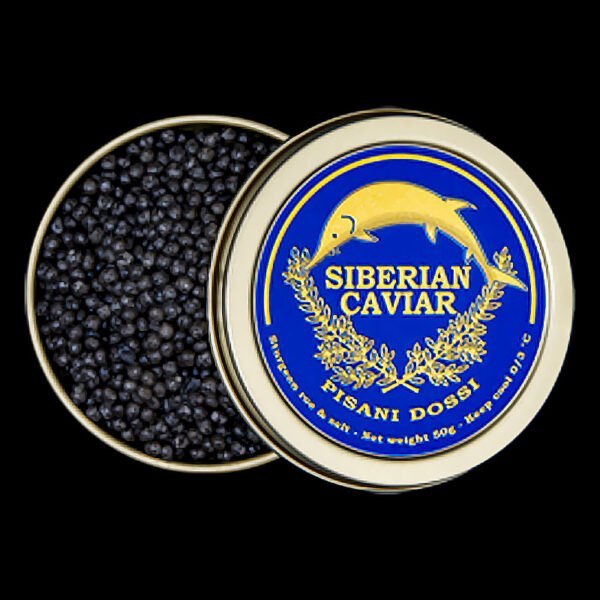
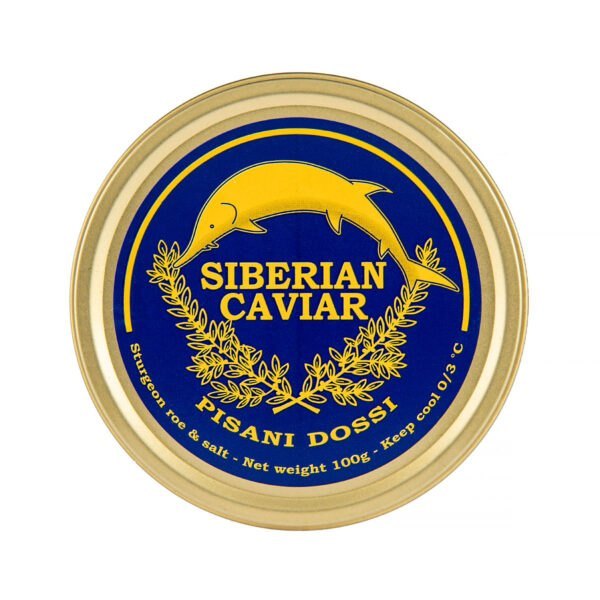
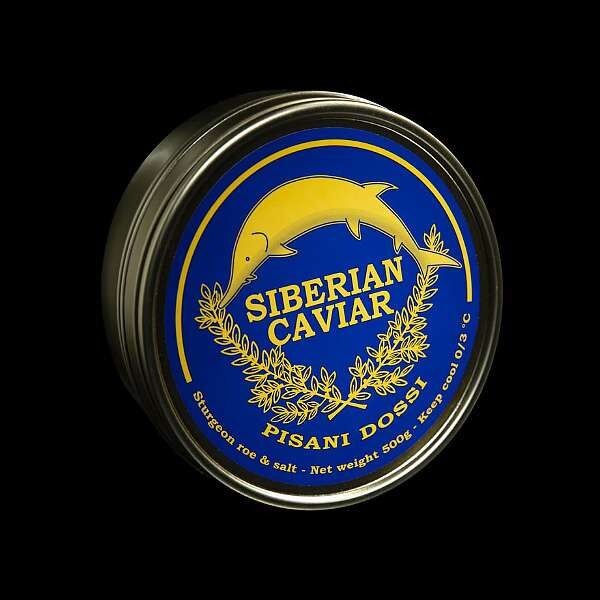
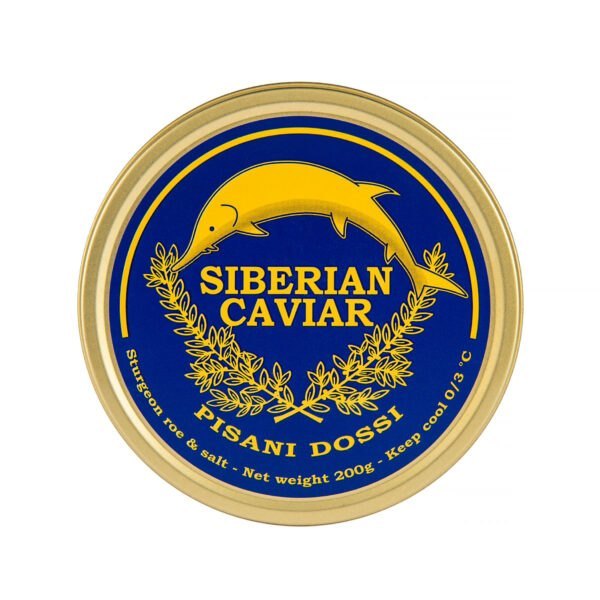
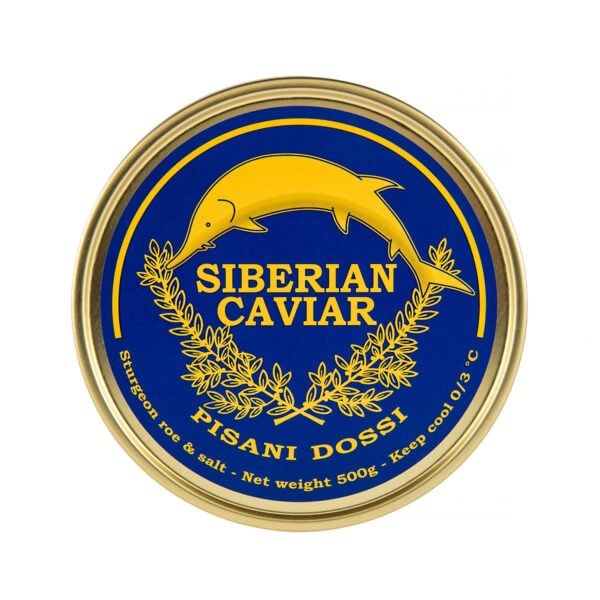
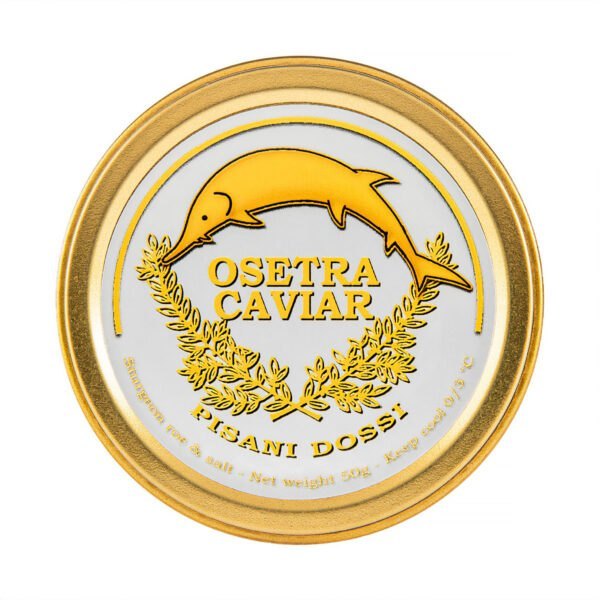
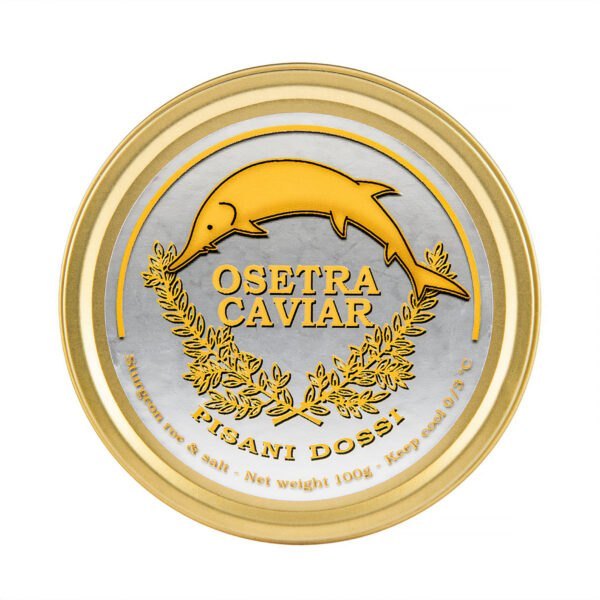
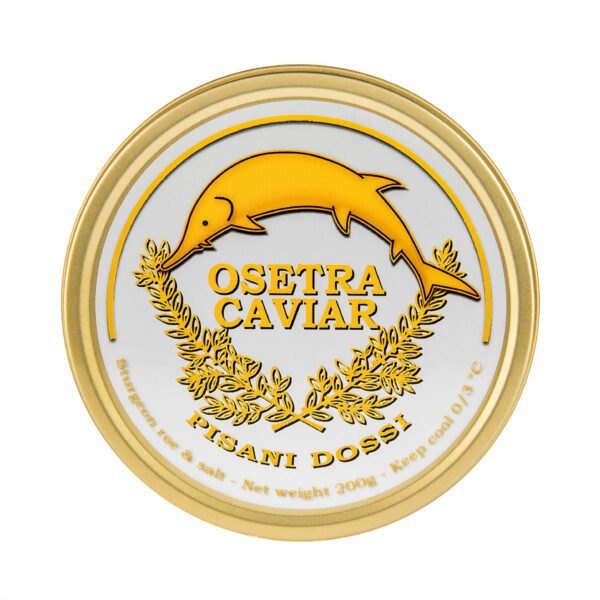
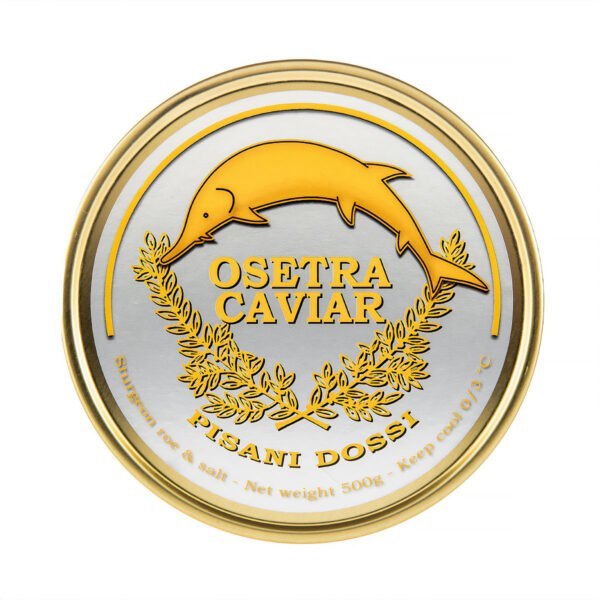
PremiumCaviar is a caviar shop that sources fresh black caviar without preservatives directly from Italian sturgeon farms. All products carry the Pisani Dossi label and follow a strict salt-only, malossol processing standard. No heat treatment, no borax, and no sorbic acid enter the production chain. The result is a product that reaches buyers with its natural flavor, texture, and nutritional profile fully intact.
The shop curates a focused selection of preservative-free sturgeon caviar, available in multiple sizes to suit both casual tasting and larger table occasions. Fast delivery with temperature-controlled packaging keeps the cold chain unbroken from dispatch to the buyer’s door. Clients consistently highlight product freshness, careful packaging, and responsive support in their verified reviews.
The caviar selection available
The premium black caviar range covers two main sturgeon varieties, each with a distinct flavor character and bead profile. Both are processed using malossol salting at 3% to 5% NaCl, with no secondary additives.
Sturgeon varieties in the shop:
- Siberian Sturgeon caviar (Acipenser baerii): fine-grained, dark black beads with a clean, buttery finish and mild brine
- Osetra caviar (Acipenser gueldenstaedtii): medium to large beads with a nutty, rich flavor and a more complex finish
The Premium Siberian Sturgeon Black Caviar range suits buyers who want a clean, approachable flavor with a smooth mouthfeel. Premium Osetra Black Caviar appeals to those who prefer deeper, more layered tasting notes. Both lines come from farm-raised sturgeon in controlled Italian aquaculture, which ensures batch consistency and full traceability from fish to jar.
What makes PremiumCaviar products stand out
Every jar sold through PremiumCaviar goes through a quality check before dispatch. The salt-only processing standard means buyers receive enzyme-active fresh roe with intact omega-3 phospholipids and no artificial aftertaste. Packaging uses vacuum-sealed glass jars that protect bead structure during transport.
Buyers who want guidance on choosing between Siberian and Osetra varieties, selecting the right quantity, or pairing caviar for a specific occasion can contact the support team directly. Orders ship with insulated cold packaging, keeping the product at the correct storage temperature throughout transit.
Reach out to PremiumCaviar for a consultation, place an order through the shop, and receive fresh black caviar without preservatives at the door, ready to serve.
Why the short shelf life of fresh black caviar signals higher quality
A 4 to 6 week shelf window is not a flaw in fresh black caviar. It is a direct indicator that the product received minimal processing. Any food that lasts months at refrigerator temperatures without additives has either been heated or chemically treated. Short shelf life confirms the opposite: nothing was done to extend it.
Experienced buyers treat the expiration window as part of the quality specification. A tin labeled with a 12-month shelf life tells them the product was pasteurized. A tin with a 4-week window tells them it is alive, salt-only, and worth storing with care.
How 4-week refrigerated windows reflect minimal processing standards
Fresh unpasteurized caviar kept in a vacuum-sealed container at 28°F to 32°F (-2°C to 0°C) remains at peak quality for 4 to 6 weeks. After the container is opened, the window drops to 2 to 3 days. Room-temperature exposure begins spoilage within hours.
These tight windows exist because salt-only preservation leaves the eggs biologically active. The natural enzymes, fats, and proteins inside each bead continue to interact with air and temperature. That activity is what creates the live, complex flavor of fresh caviar and what makes careful storage non-negotiable.
Storage requirements for fresh, preservative-free caviar:
- Temperature: 28°F to 32°F (-2°C to 0°C), in the coldest section of the refrigerator
- Container: Vacuum-sealed tin or glass jar, kept closed until ready to eat
- Time after opening: Consume within 2 to 3 days
- Freezing: Not advised for fresh roe, as it damages bead structure
- Serving: Remove from refrigerator no more than 30 minutes before eating
Maintaining these conditions is what responsible producers and serious buyers treat as a basic requirement. The caviar’s integrity depends on temperature discipline from the processing plant to the table.
Why longer shelf life almost always requires thermal or chemical intervention
Extending shelf life beyond 6 weeks requires killing or suppressing the biological activity inside the egg. Pasteurization at 60°C for approximately 20 minutes is the most common approach. Chemical preservatives such as borax (E285) achieve a similar result by altering the egg’s water activity.
Both approaches change the product. Pasteurization denatures enzymes, alters the phospholipid structure, and makes the bead texture more uniform and less responsive. Borax changes egg elasticity and adds a faint bittersweet note. Neither approach preserves the full flavor or nutritional profile of the original fresh roe.
How responsible caviar producers maintain cold chain without preservatives
Producers committed to salt-only caviar processing build their entire distribution model around cold chain integrity. This means insulated transport containers with ice packs or dry ice, fast shipping windows measured in days rather than weeks, and strict temperature monitoring from processing plant to final destination.
The cold chain starts at harvest. Roe is extracted, rinsed, salted, and sealed within hours of leaving the fish. Any break in the temperature chain during that window accelerates microbial growth and enzyme activity. Processing facilities for fresh caviar operate at near-freezing temperatures throughout the production process.
Retailers who sell preservative-free sturgeon caviar typically receive product weekly rather than monthly. High inventory turnover is built into the model. A producer that ships fresh caviar internationally must partner with freight services capable of maintaining 28°F to 32°F across the entire route. These logistics constraints are what keep the shelf life short and the quality intact.
Pro tip: When ordering fresh, additive-free caviar online, check the shipping method before buying. Overnight or two-day cold shipping with insulated packaging is the minimum standard for preserving quality. A seller who ships ground without temperature controls is not delivering a genuinely fresh product, regardless of what the label says.
FAQ: Frequently Asked Questions
How can buyers tell if black caviar is truly fresh and free of preservatives?
The most reliable check starts with the ingredient list. Genuine fresh black caviar without preservatives lists only two ingredients: sturgeon roe and salt. Any additional E-numbers, such as E284 (boric acid) or E285 (sodium tetraborate), confirm chemical treatment. A short shelf window of 4 to 6 weeks on the label is another clear signal of minimal processing.
Visual and sensory checks back up the label reading. Each bead must appear glossy, round, and separate easily from the others. Sticky, mushy, or clumped eggs signal age or poor handling. The scent must be mild and oceanic, never sharp or ammonia-like. On the palate, authentic malossol caviar melts cleanly with a buttery, briny finish and no metallic or bitter aftertaste.
Delivery temperature seals the judgment. A genuine preservative-free sturgeon caviar product arrives between 28°F and 32°F (-2°C to 0°C). Any tin that reaches the buyer warm has already compromised its cold chain, regardless of what the label claims.
Why does fresh black caviar without preservatives have a shorter shelf life than treated alternatives?
Fresh, non-pasteurized caviar remains biologically active after harvest. Salt-only processing at 3% to 5% NaCl slows microbial growth but does not stop the natural enzymatic activity inside each egg. Those active enzymes, which give fresh roe its complex, layered flavor, also mean the product has a built-in biological clock.
Unopened and kept at 28°F to 32°F (-2°C to 0°C), a vacuum-sealed container of additive-free malossol caviar stays at peak quality for about 4 to 6 weeks. Once opened, quality drops fast, and the product is best consumed within 2 to 3 days. Pasteurized caviar, by contrast, can last up to six months sealed, because heat treatment at roughly 60°C deactivates the same enzymes that make fresh roe so flavorful. The tradeoff is a measurably flatter taste and altered bead texture.
Does preservative-free black caviar carry more nutritional value than pasteurized or chemically treated versions?
Preservative-free black caviar retains its full nutrient profile from harvest to table. A 28-gram serving of fresh, untreated sturgeon roe contains approximately 800 mg of EPA and 1,080 mg of DHA, which exceeds the daily omega-3 intake recommended in the 2015 Dietary Guidelines for Americans.
Pasteurization at 60°C partially alters the phospholipid structure of these fatty acids and denatures the native enzymes that support faster absorption. Omega-3 fatty acids in caviar exist primarily as phospholipids, a form the human gut absorbs faster than the triglyceride form found in most fish oil supplements. Heat-treated and chemically preserved roe lose some of this absorption advantage.
Fresh roe also preserves its full complement of fat-soluble vitamins, including vitamin A, vitamin D, vitamin E, and vitamin B12. Vitamin B12 content in a single tasting spoon can meet a full daily requirement. Salt-only processing does not generate the reactive heat or acidic conditions that break down these vitamins, which is why enzyme-active fresh caviar consistently scores higher in nutritional density than its shelf-stable counterparts.
What does malossol processing mean, and why do connoisseurs consider it the gold standard for fresh black caviar?
Malossol is a Russian term meaning “little salt.” The malossol processing method applies 3% to 5% sodium chloride directly to freshly harvested sturgeon roe without any heat, acid, or secondary chemical additives. That low salt concentration slows microbial growth while leaving the eggs’ natural flavor compounds fully intact.
Grade 1 malossol is the highest commercial classification in caviar grading. It requires intact, glossy, uniform beads and a salt content of 3% to 6%. Producers who follow this standard without adding borax or sorbic acid deliver a product where the flavor comes entirely from the fish, its diet, and its water source. Nothing masks or modifies what nature built into the egg.
Serious buyers choose malossol-style caviar not just for taste, but because the process reflects respect for the raw ingredient. The method demands fast processing, tight cold chain management, and rapid turnover. Those operational demands separate genuine producers from those who rely on chemical additives to compensate for slower handling or longer storage cycles.
Conclusion
Fresh black caviar without preservatives earns its reputation through measurable differences in taste, texture, and nutrition. Malossol salting at 3% to 5% NaCl preserves the roe without masking its natural flavor compounds. Borax, pasteurization, and organic acid treatments each leave detectable changes in the egg’s physical structure, flavor finish, and fatty acid integrity. Buyers who know what to look for read the ingredient list, check the shelf window, and assess bead texture before making a judgment.
The short shelf life of buying fresh black caviar without additives is a quality signal, not a limitation. It confirms that the product reached the buyer with its enzymes, omega-3 phospholipids, and natural flavor compounds intact. Cold chain discipline, fast turnover, and salt-only processing are what distinguish a genuine fresh product from a shelf-stable substitute. For buyers who treat caviar as a food worth understanding, these distinctions are not minor. They define the entire experience.
Sources:
- https://en.wikipedia.org/wiki/Caviar
- https://en.wikipedia.org/wiki/Beluga_caviar
- https://pmc.ncbi.nlm.nih.gov/articles/PMC8070692/
- https://pubmed.ncbi.nlm.nih.gov/33919708/
- https://pmc.ncbi.nlm.nih.gov/articles/PMC7765301/
- https://pmc.ncbi.nlm.nih.gov/articles/PMC9702528/
- https://pubmed.ncbi.nlm.nih.gov/12947422/
- https://pmc.ncbi.nlm.nih.gov/articles/PMC12509112/
- https://www.efsa.europa.eu/en/efsajournal/pub/3407
- https://cites.org/eng/node/130912
- https://cites.org/sites/default/files/vc-files/files/universal_labelling_requirements_caviar.pdf
- https://journal.pan.olsztyn.pl/pdf-97893-30422?filename=30422.pdf
- https://www.nature.com/articles/s41598-026-36474-6
- https://www.healthline.com/nutrition/caviar-benefits